Basements are the "dark matter" of real estate: they represent square footage that officially exists on a tax assessment but often exists in a state of suspended animation—half-storage, half-hazard. Turning a damp, subterranean concrete box into a value-adding living space is the ultimate DIY ROI play—much like how smart investors are shifting to fractional commercial real estate for 2026 to diversify their assets—but the primary entry barrier remains the silent, pervasive menace of moisture. If you don't solve the water-damaged drywall before you start, you aren't building equity; you are building a mold farm that will impact your valuation, similar to how why coastal home insurance is changing forever in 2026 forces property owners to re-evaluate their long-term risk.
The Pathology of Basement Moisture: Why "Patch and Paint" Fails
The most common error in basement renovations is the "cover-up" mentality, which often results in neglected structural issues, not unlike the risks detailed in why your business insurance might not cover AI mistakes where hidden oversights lead to future liability. A homeowner sees bubbling paint or a soft spot on a lower wall, scrapes it away, applies a quick coat of spackle, and thinks they’ve solved the problem. This is a fatal flaw in property management.
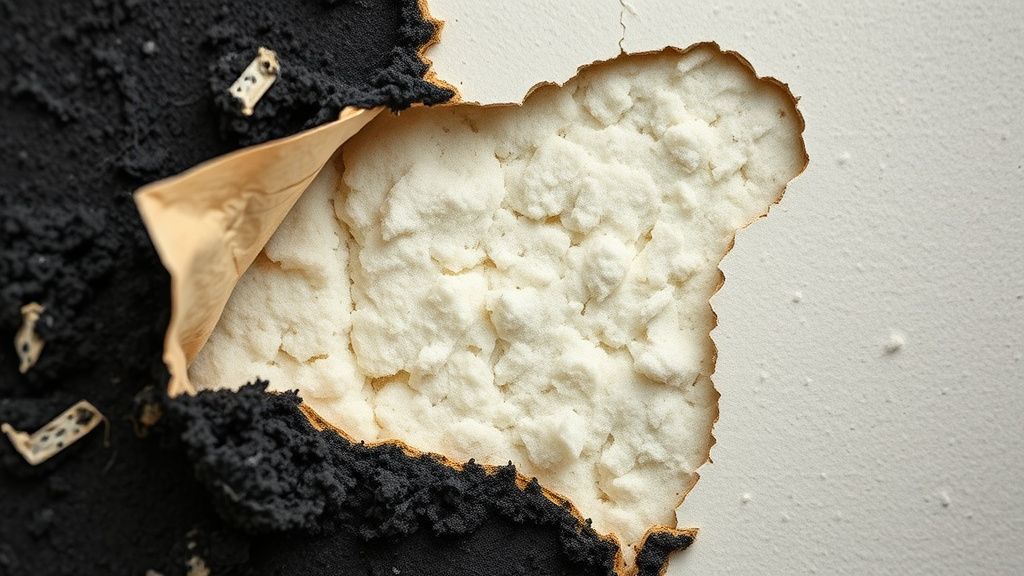
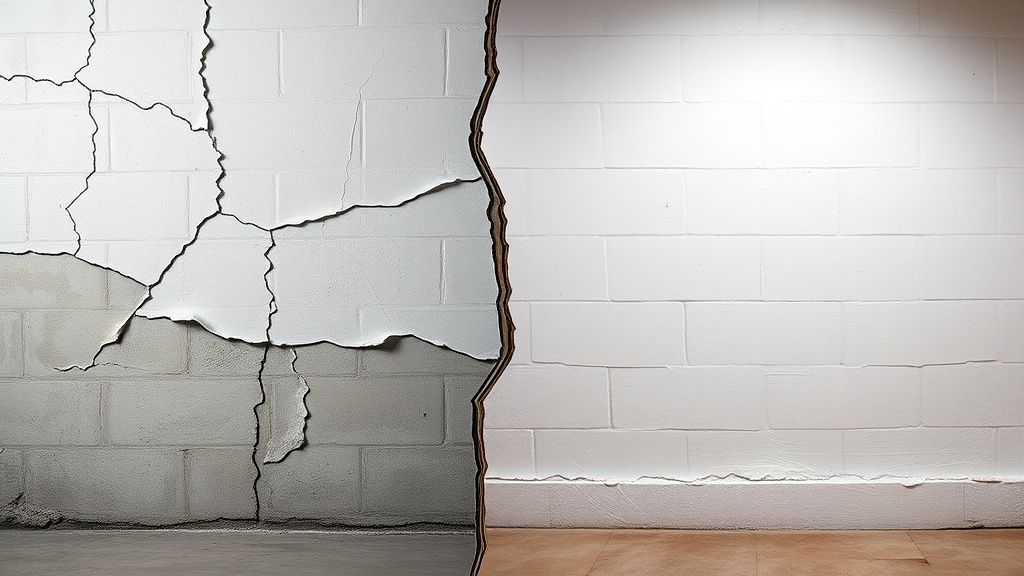
Basements fail because they are concrete-envelope structures sitting in a high-moisture environment. Hydrostatic pressure, capillary action, and condensation are not just physics terms; they are the active forces currently eating the back of your drywall. If you use standard paper-faced gypsum board in a basement, you are essentially installing a buffet for Stachybotrys chartarum (black mold).
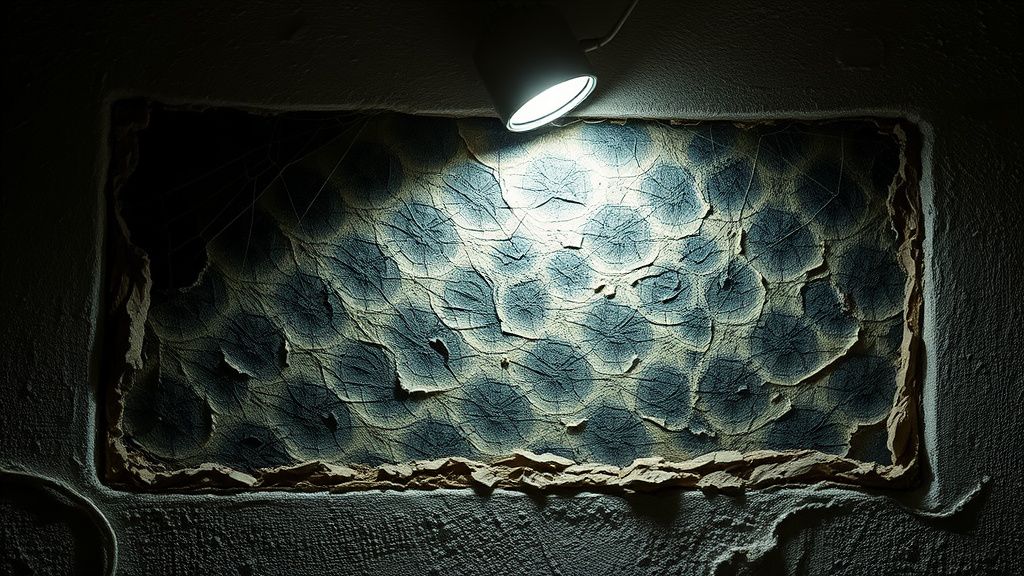
When you are assessing a basement for renovation, you must look beyond the cosmetic. Check the baseboards. If they are swollen or "chalky" near the floor, you have rising damp. If the drywall feels cool to the touch and has a faint, earthy smell—even if it looks clean—you have high ambient humidity. You are not just fixing drywall; you are debugging a building’s moisture management system.
The Operational Reality: Moisture Mitigation Before Decoration
Before you pick up a drywall knife, you must perform a forensic audit.
- The Hygrometer Test: Do not trust your nose. Buy a digital hygrometer. If your basement humidity is consistently above 60%, no amount of mold-resistant drywall will save you. You need a dehumidification strategy integrated into the HVAC or a dedicated standalone unit.
- The Plastic Sheet Test: Tape a 2-foot by 2-foot square of clear plastic sheeting to the foundation wall. Leave it for 48 hours. If the moisture is on the outside of the plastic, you have a humidity/condensation problem. If it’s on the inside (against the concrete), you have water intrusion or significant vapor drive from the foundation.
- The Grading Check: Go outside. Does the ground slope away from the house? If the answer is "no" or "maybe," you are pouring money into a basement that will flood again. Fix the exterior drainage before you touch the interior drywall.
Real Field Report: The "Waterproof Paint" Fallacy
I once consulted on a renovation project in a 1970s split-level home where the owner had spent $12,000 on "waterproof" coatings applied to the interior concrete walls before framing. Within two years, the metal studs were rusting, and the new drywall was failing. Why? Because the moisture didn't stop—it was forced through the microscopic cracks in the masonry, trapped behind the new wall, and pushed into the studs. The "waterproofing" had effectively turned the wall into a pressure cooker. Lesson: You cannot stop water from the inside out; you must manage the moisture behind the wall cavity or keep it out of the foundation entirely.
The Modern Standard: Why Paper-Faced Drywall is Obsolete
If you are still using standard, paper-faced drywall in a basement, you are ignoring two decades of building science. Paper is cellulose. Cellulose is food for mold. In a basement, this is a ticking time bomb.
For a basement renovation that actually holds value—or perhaps even becomes a site for how to run private, local LLMs on consumer GPUs for maximum data security—you should be looking at high-performance alternatives:
- Fiberglass-Mat Gypsum Panels: Brands like DensArmor Plus (or similar) feature fiberglass mats instead of paper. They do not provide a food source for mold.
- Cement Backer Board: While traditionally for tile, using these in the lower 12 inches of your wall (where flood risk is highest) is a pro-level insurance policy.
- Mineral Wool Insulation: Never use fiberglass batts in a basement. They trap moisture and sag. Rigid foam insulation (XPS or EPS) or semi-rigid mineral wool creates a thermal break that prevents the condensation cycle from starting.
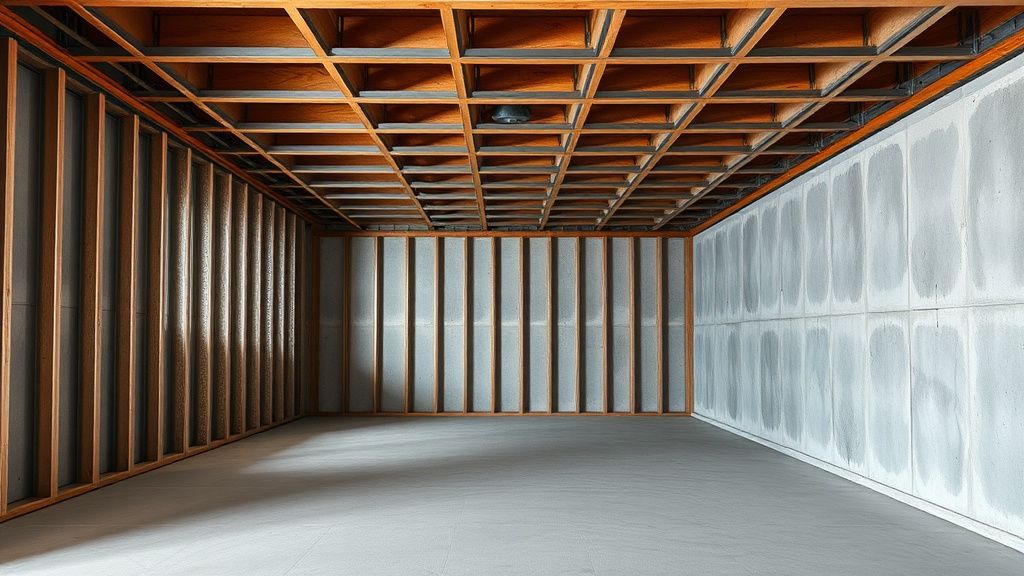
Execution: The "Room-Within-a-Room" Strategy
To ensure your renovation adds value, you must decouple your finish materials from the foundation.
- Framing: Use metal studs. They don't rot, they don't warp, and they don't host mold.
- The Gap: Maintain a half-inch gap between your floor plate and the concrete floor. Use plastic shims. Never, ever let your drywall touch the concrete directly.
- The Baseboard Logic: Install your drywall so it stops an inch above the subfloor. Cover the gap with a baseboard or a specialized trim. If a small leak occurs, your drywall won't act like a sponge and "wick" the water up into the rest of the wall.
Counter-Criticism: The "Breathe or Seal" Debate
There is a massive industry divide regarding whether to "seal" a basement or let it "breathe."
- The Pro-Seal Camp: Argues that sealing the foundation is the only way to meet energy codes and keep the space comfortable.
- The Pro-Breathe Camp: Argues that old masonry needs to breathe, and that by sealing it, you force moisture into the structure of the house, potentially causing rot in the rim joists and sill plates.
The Reality: The truth is somewhere in the middle. You should seal the inside face of the masonry with a proper vapor retarder (like plastic sheeting or smart-vapor membranes) to prevent condensation, but you must ensure the exterior of the foundation is properly waterproofed. If you seal the inside without fixing the exterior drainage, you are creating a "sick house" scenario. Most DIYers fail here because they lack the budget for exterior excavation, but skipping it is why so many basement re-dos show up on Reddit’s r/HomeImprovement as cautionary tales of "I ripped it all out three years later."
Scaling and Financials: How to Actually See the ROI
Property value isn't just about "looking nice." It’s about being "certified livable." If you don't pull permits, your $30,000 renovation might actually decrease your home's value during an inspection. Why? Because the inspector will mark the unpermitted, potentially moldy construction as a liability.
- The Appraisal Impact: A finished basement only adds to your square footage if it meets building codes regarding ceiling height, egress windows, and fire safety.
- The "Workaround" Trap: Users on forums like Hacker News or specialized trade Discord servers often discuss "sneaky" ways to finish basements. Avoid this. When you go to sell, an astute buyer's agent will look for that permit history. If it’s missing, they will use it as leverage to drop their offer by double what the renovation cost you.
Managing the "Oops" Moments: What to do when it goes wrong
Even with perfect planning, you might encounter a "weeping" wall during a heavy storm.
- If you see a bloom: Do not panic-spray bleach. Bleach kills surface mold but does not penetrate porous materials like wood or drywall, and it adds moisture to the equation. Use a fungicide specifically designed for mold remediation.
- If the drywall is soggy: Remove it. Do not "dry it out." Once gypsum board has been saturated, its structural integrity is compromised, and it will likely harbor spores. Cut it out at least 12 inches above the high-water mark, replace it with mold-resistant board, and use a trim piece to hide the transition.
Why does my "waterproof" basement paint still bubble?
Waterproof paint is a sealer, not a drainage system. If you have hydrostatic pressure—water being pushed into your basement by the weight of the saturated ground outside—that paint will simply bubble as the water tries to force its way through. You aren't seeing paint failure; you are seeing a pressure-management failure.
Can I finish my basement without spending $5k on a sump pump?
Technically, yes, if your site drainage is perfect. But in the real world? No. A sump pump is an insurance policy. If you are going to invest in the walls and floor, you are essentially betting that your home’s perimeter drainage will never fail. A sump pump is the only way to hedge that bet.
Is mold-resistant drywall really worth the extra cost?
Yes. It is a "set it and forget it" investment. In a basement, the cost of labor to hang a sheet of drywall is the same regardless of whether the material costs $12 or $25. Paying the premium for fiberglass-mat board is effectively buying an insurance policy against the most expensive part of a renovation: the tear-out.
Do I really need to remove the baseboards during a moisture check?
Absolutely. If you want to know the true state of your basement, you need to see the "anchor" points. The space behind the baseboards is where the first signs of rot appear, as it's the coldest part of the wall where condensation collects first.
Why do all the professionals on Reddit tell me not to use paper-faced drywall?
Because they’ve all had to perform the "mold gutting" service. Professionals see the failures that homeowners try to hide. Paper-faced drywall in a basement is considered "wrong by design" in modern trade circles because it serves as a nutrient for mold. It is a liability that no professional contractor will touch if they want to maintain their reputation.