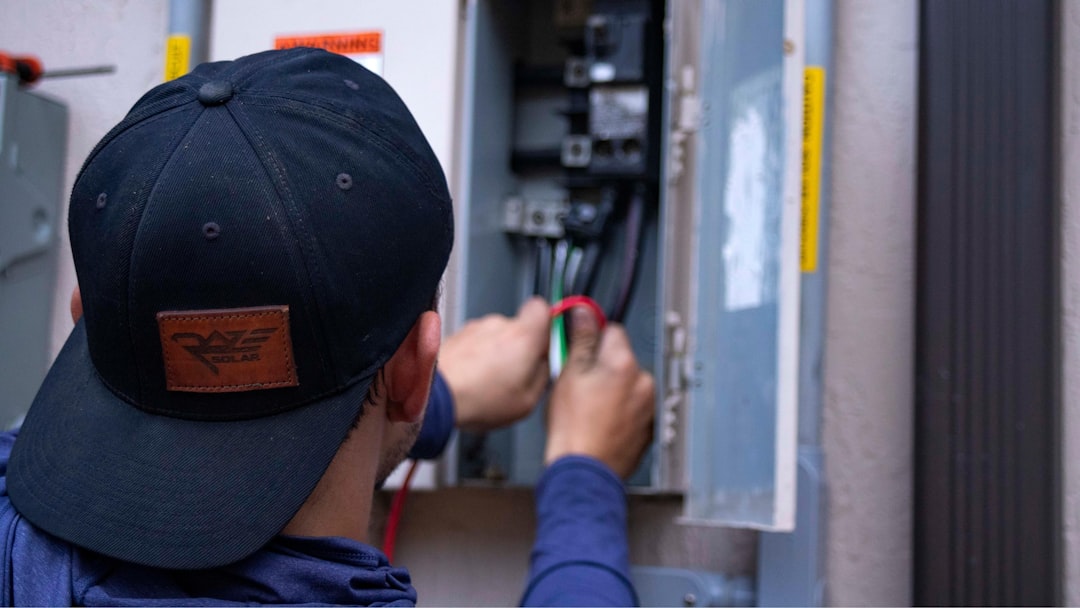
The promise of a smart thermostat in an older home is rarely about the sleek glass-and-aluminum UI. It is, in reality, a desperate attempt to bridge the gap between 1950s infrastructure and 21st-century energy volatility. Installing these units is not merely a "weekend project"; it is a tactical intervention into a building’s thermal envelope. When you move from a mercury-switch bimetallic coil to a microprocessor-controlled system, you are transitioning from a blind, reactive system to a data-informed, predictive one. However, the reality of vintage wiring, lack of common wires (C-wires), and HVAC system compatibility often turns this "five-minute upgrade" into a complex operation requiring amateur electrical diagnostic skills and a fair bit of patience.
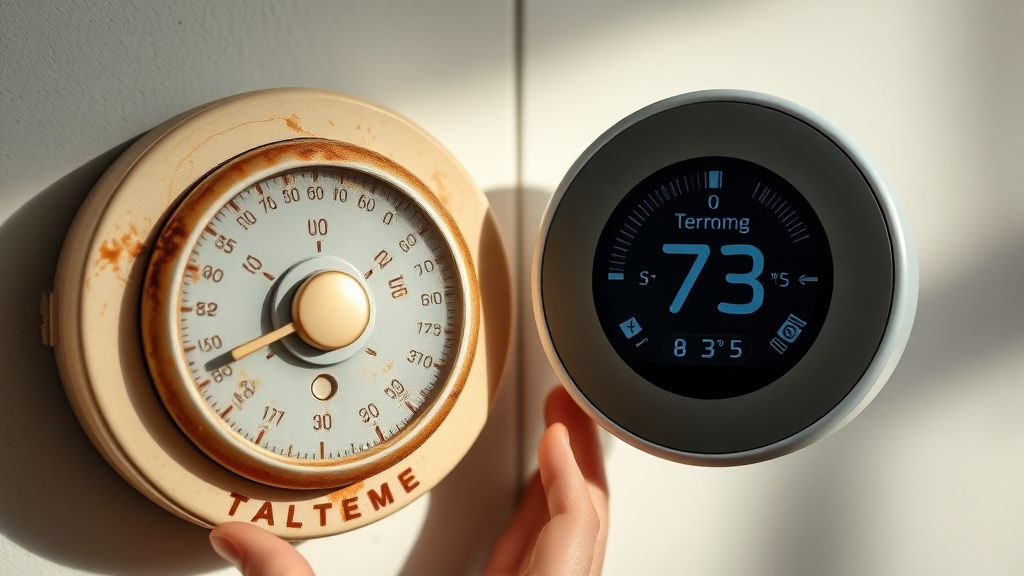
The "C-Wire" Problem: The Infrastructure Bottleneck
The single biggest failure point in retrofitting an older home is the absence of the common wire (C-wire). In older HVAC systems, the thermostat functioned purely as a mechanical switch—completing a circuit to trigger the furnace or the AC. It required no power to run its internal electronics because, well, it didn't have any.
When you bring home a Nest, Ecobee, or Honeywell Home unit, the system suddenly demands 24VAC power to run its Wi-Fi antenna, display, and sensors. If you open your wall and see only two wires—usually labeled R (power) and W (heat)—you are immediately in a "workaround" territory.
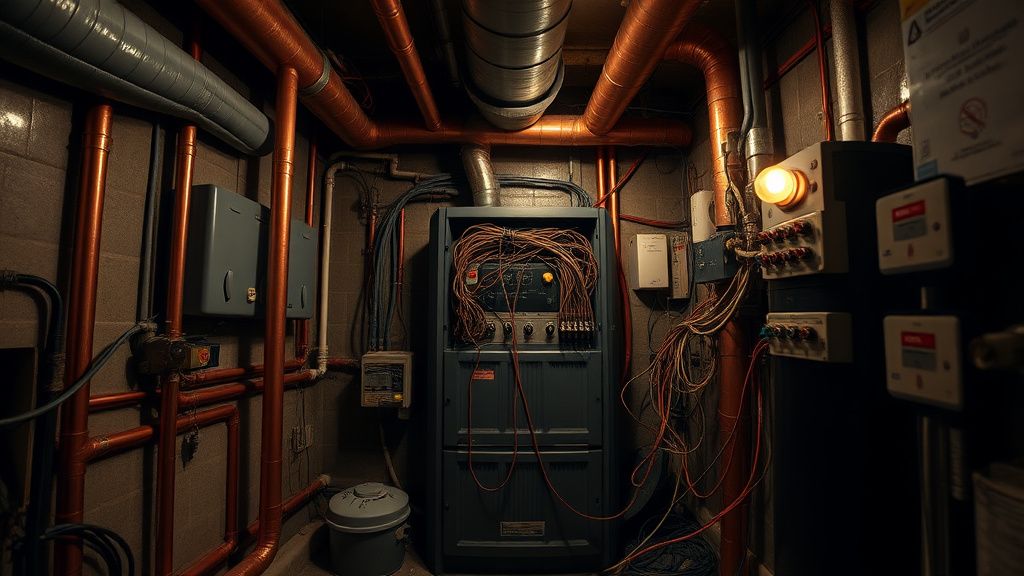
- The C-Wire Adapter: Most modern kits come with a "Power Extender Kit" (PEK). This sits at the furnace board, effectively "stealing" power from the existing wires. The installation requires you to climb into your attic or crawlspace to access the control board of your furnace. This is where the documentation often fails to account for the "bird’s nest" of wiring common in homes built before 1980.
- The Voltage Paradox: If your system is truly ancient, it may not even provide a consistent 24V. I have observed users on subreddits like r/HVAC or r/HomeAutomation reporting "short cycling" or "click-of-death" sounds from their furnace relays after installing smart thermostats because their transformer was barely handling the load of the furnace fan, let alone an additional smart display.
Field Report: The "Short Cycling" Nightmare
In early 2023, a project involving a 1940s colonial-style home in New Jersey highlighted the systemic risks of DIY smart thermostat installation. The user, following a slick YouTube tutorial, bypassed the C-wire issue by utilizing the "G" wire (fan) as a common wire. While this is a known "hack" within developer circles, it resulted in the fan running constantly when the heat was off—a phenomenon known as "fan-only mode" override. The home owner ended up burning out their furnace fan relay within six months because the smart thermostat’s firmware and the old furnace control board were having a silent, expensive communication breakdown.
"It looked perfect on the app, but the furnace sounded like a lawnmower stuck in a gear it shouldn't be in. The cost of a new control board was three times what I 'saved' on my heating bill in the first year." — Anonymous user report via Discord, HVAC repair channel.
Behavioral Economics and The "Set-and-Forget" Fallacy
Marketing materials for smart thermostats emphasize "learning" algorithms that promise to slash utility bills, much like the evolving landscape of decentralized energy, where Why Decentralized Micro-Grids Are Ending the Era of Utility Monopolies is changing how we view consumption. This "hype vs. reality" gap exists across many sectors, whether you are evaluating the Is Sodium-Ion Ready to Replace Lithium? The 2026 Reality Check or navigating the complexities of DIY tech installations. An algorithm is only as good as the thermal profile of the home.
If your home has drafty single-pane windows, poor attic insulation, or unsealed ductwork, installing a smart thermostat is as risky as engaging in The Hidden Dangers of DIY Brain Stimulation: What You Need to Know without proper professional guidance. It will track the failure with incredible precision, but it cannot fix the physiology. The software assumes a certain level of thermal retention (the "coasting" period where the house stays warm after the heater shuts off). In a drafty house, that coasting time is essentially zero. Consequently, the thermostat kicks on more often, potentially increasing the stress on the HVAC system's blower motor.
The Friction of "Smart" Features
- Geofencing: Many users disable this feature within a week. Why? If you have multiple household members with varying schedules, geofencing causes constant "fight" cycles where the thermostat keeps resetting based on who enters the geofence first. It is a logistical nightmare for families.
- Occupancy Sensing: In older, multi-room homes, a single wall-mounted unit cannot "see" into every room. If the thermostat is in a hallway and detects no motion, it will dial back the temp, leaving the living room—where everyone is actually sitting—freezing. You are forced to buy remote sensors (e.g., Ecobee SmartSensors), adding another $100+ to the project cost.
- The API/Privacy Trade-off: There is a growing movement of privacy-conscious users who are abandoning cloud-connected thermostats for local-only control (like those integrated with Home Assistant via MQTT or ESPHome). The reason? The feeling of "platform instability." If your internet goes down, or the company’s server (e.g., Google’s Nest service) undergoes an update that bricks the API integration, you are left adjusting the heat manually, which defeats the purpose of buying a "smart" product.
The True Cost Analysis: ROI vs. Reality
Let us strip away the marketing. A smart thermostat is a $150-$250 investment. In a modern, well-insulated house, the payback period might be two years. In a drafty older home, you might be looking at a five-year horizon, provided you do not have to pay an HVAC technician to come out and fix the wiring because you accidentally tripped a breaker or burnt out a transformer during the initial installation.
Operational Best Practices for Older Homes:
- Thermal Envelope First: Spend the $200 on weather-stripping, caulk, and attic insulation before you spend it on a thermostat. If the house loses heat faster than the furnace can output it, no algorithm will save you money.
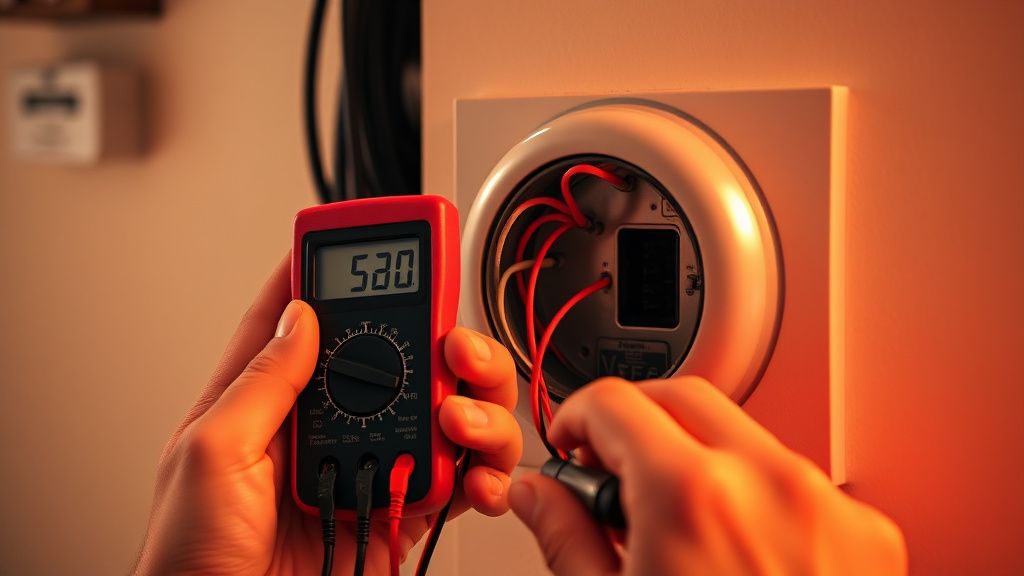
- Transformer Check: Before installing, test the voltage on your existing transformer. If it’s struggling to output a clean 24V, adding a high-draw smart thermostat is a recipe for intermittent reboots.
- Local Control Preference: If you have technical aptitude, look for devices that support open protocols (Zigbee/Z-Wave/Matter). This insulates you from the "bricking" risks associated with cloud-reliant platforms.
The Engineering Compromise: Why Manufacturers Hate "Old" Homes
There is a fundamental design tension here. Companies want a unified user experience (UX) that works "out of the box." They intentionally hide advanced settings or warnings about HVAC compatibility to keep the return rates low. This is a deliberate "dark pattern" in the industry: simplify the installation instructions so that the average homeowner feels confident, even if their specific 1970s HVAC setup is a notorious "edge case."
When you search for GitHub issues related to common smart thermostat integrations, you see the pattern: "Works great until you try to use it with a multi-stage heat pump and an auxiliary heater," or "The firmware update broke the integration with my legacy Honeywell relay." This is the reality of hardware-software fragmentation. Your furnace is from 1995, your thermostat is from 2024, and the two are communicating via a protocol (the standard 24V signal) that was never designed for this level of data exchange.
Counter-Criticism: Is it just an expensive thermometer?
Industry skeptics often argue that the "smart" nature of these thermostats is a form of planned obsolescence. An old-school digital programmable thermostat—which you can still find for $30—will reliably control your temperature for 20 years. A smart thermostat, which relies on cloud connectivity, firmware updates, and a touchscreen interface, will likely feel sluggish or "obsolete" in 5 to 7 years.
Furthermore, the "smart" features that supposedly save energy are often redundant if you simply have the discipline to follow a set schedule. The machine is essentially automating a habit that a human could theoretically manage for $120 less. However, the human factor is the weakest link; most people are lazy with schedules. In that light, the smart thermostat is a "nudge unit"—it charges you a premium to automate the behavioral discipline you lack.
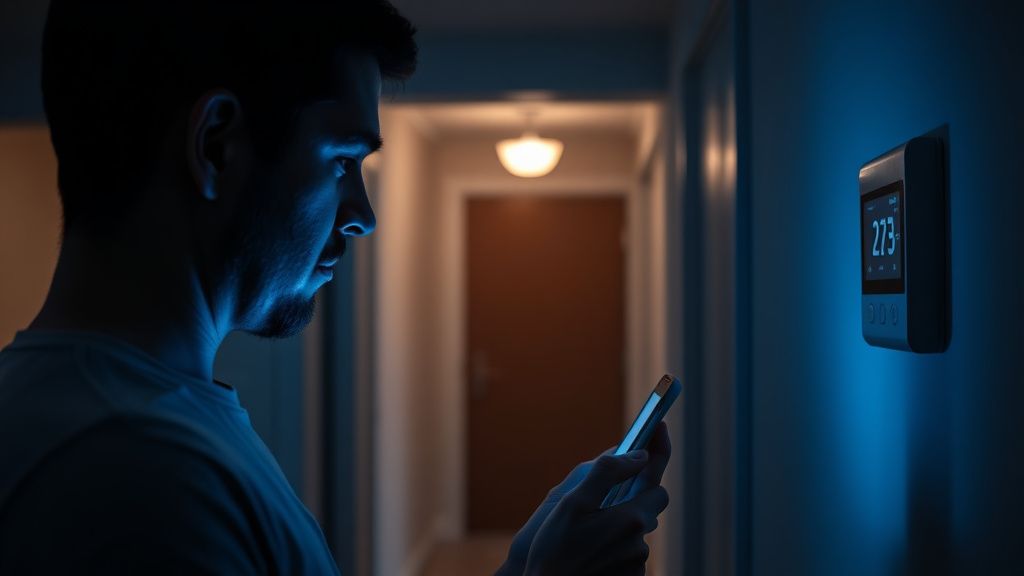
Troubleshooting the Rollout
If you decide to proceed, be prepared for these three "Day Two" problems:
- Ghost Notifications: The thermostat thinks your heat is running, but it’s not. This is usually a sign that your C-wire voltage is dropping below the threshold required to hold the furnace relay open.
- Wi-Fi Dropping: If your thermostat is in a far corner of the house, the small radio in the unit will struggle. Don't blame the thermostat; blame the lack of mesh Wi-Fi coverage.
- The "Learning" Panic: The first two weeks of an Ecobee or Nest "learning" are often chaotic. The system will make strange decisions to "test" your home’s thermal inertia. Ignore the complaints from other family members during this calibration phase. If it continues after 14 days, your settings are likely misconfigured for your home's BTU output.