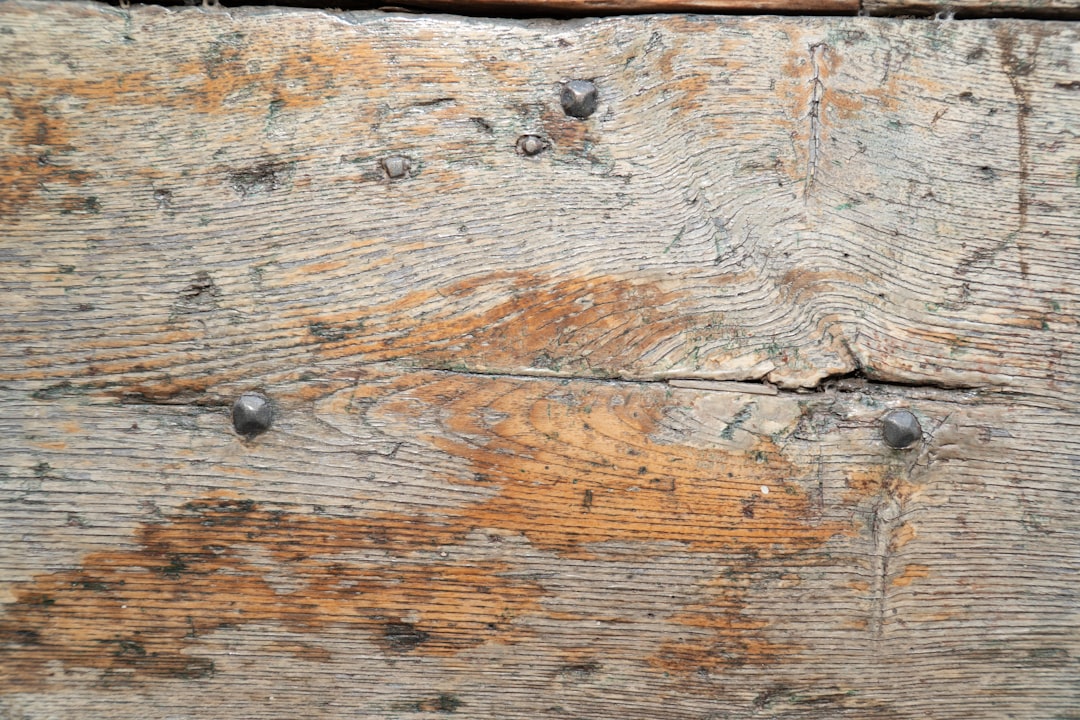
The pivot from "trash-picking" to a high-margin boutique furniture restoration business hinges on a single, often overlooked variable: the economics of moisture damage. Most hobbyists see a water-stained mid-century sideboard and see a labor-intensive nightmare. The professional restoration entrepreneur sees a barrier to entry that suppresses competition. By mastering the chemistry of delamination, fungal mitigation, and structural stabilization, you aren't just sanding wood; you are performing surgical asset recovery on high-value mid-century modern (MCM) or Victorian-era inventory that others have discarded as unsalvageable.
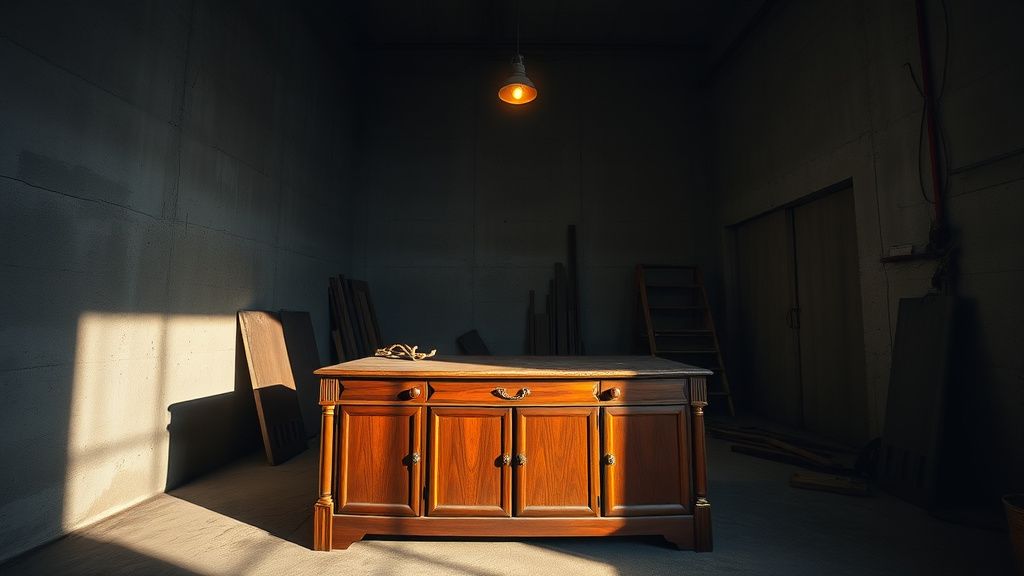
The Taxonomy of Moisture Damage: Understanding the "Rot vs. Reveal"
Before you commit capital to an inventory purchase, you must understand the difference between surface oxidation and structural necrosis. Moisture-damaged wood doesn't just warp; it acts as a host.
- Veneer Delamination: This is the most common "broken" state. The hide glue or urea-formaldehyde resin has failed due to humidity. If the substrate (usually particleboard or plywood) is swollen, the piece is often a "parts car" rather than a restoration project. If the substrate is solid wood, you have a high-margin opportunity.
- The Black Stain Paradox: Those dark, almost inky stains? That’s iron tannate. It happens when water reacts with the iron in the wood’s tannins. It is notoriously difficult to sand out because it penetrates deep into the grain. Beginners spend hours sanding through the veneer, essentially destroying the asset. Professionals use oxalic acid washes.
- Bio-Contamination: If there is fuzzy white or green growth, the piece has moved from furniture to a biological hazard. For a boutique business, the liability of selling mold-exposed furniture is a non-starter, which is why How Eco-Friendly Mold Removal Is Becoming a High-Margin Business Opportunity is a strategy worth exploring for long-term brand reputation. If the smell of mildew is embedded in the frame, walk away. No amount of ozone treatment will remove it permanently.
Field Report: The "Case of the Wet Danish Teak"
In early 2023, a boutique restorer in Portland attempted to flip a G-Plan sideboard found in a damp garage. The veneer was bubbling. The novice approach was to inject wood glue into the bubbles and clamp them. It failed within two weeks because the substrate had expanded and remained uneven.
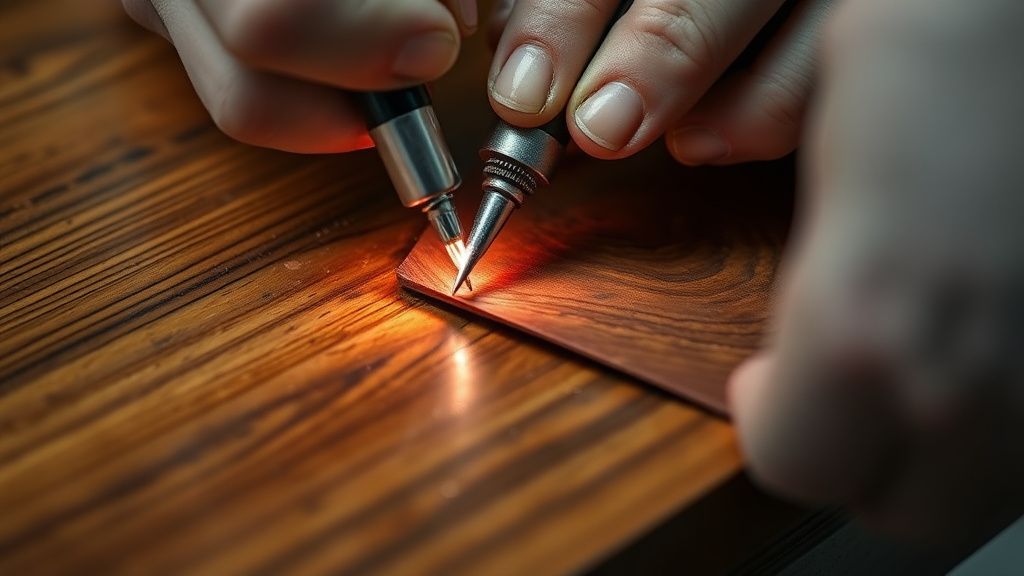
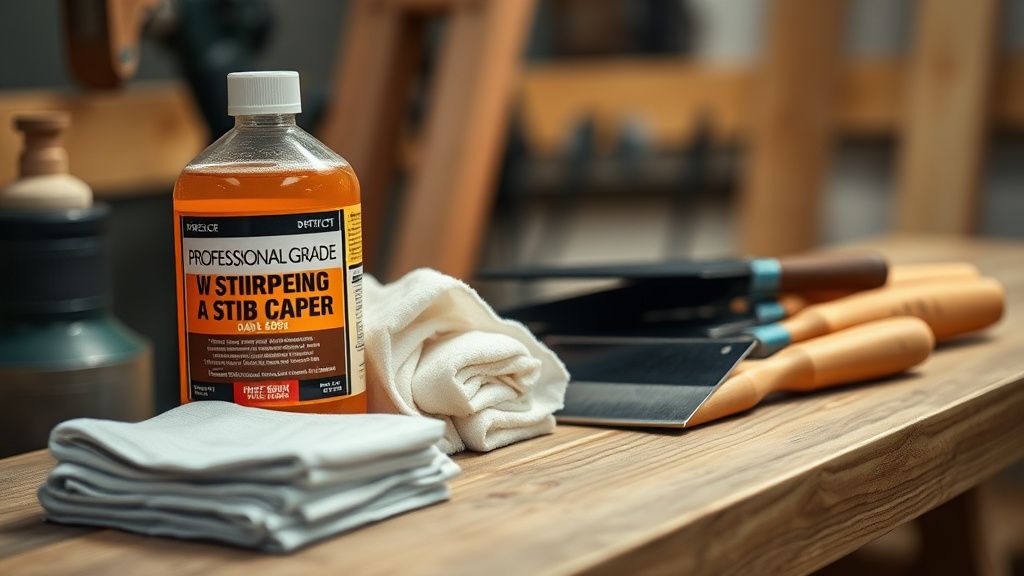
The expert approach? Using a thin, flexible Japanese spatula to peel back the loose veneer, scraping away the "punky" (rotted) MDF substrate, replacing it with a custom-cut epoxy-filler/bondo hybrid to level the surface, and then re-adhering the veneer using high-pressure heat blankets. This repair is invisible to the casual buyer and restores the piece to a $2,500 retail value from a $150 acquisition cost. The lesson: Stop trying to fix the wood; start engineering the surface. Much like How HVAC Contractors Are Boosting Profits by Retrofitting Legacy Buildings with Smart Sensors, you are applying modern technical interventions to revitalize aging assets.
The Economics of the "Friction Tax"
The primary reason this niche offers high margins is the "friction tax," a concept also prevalent in Why Generic AI Agencies Are Failing: The 2026 Blueprint for Vertical Integration, where solving specific complexities drives massive value. The average consumer is intimidated by moisture damage. They see a watermark and assume the piece is structurally compromised. This fear drives auction prices down.
To operate a high-margin business, you must capitalize on this psychological barrier:
- Sourcing as an Edge: Avoid the "refurbished" market on Facebook Marketplace. Target estate sale liquidators who view water-damaged furniture as a disposal burden. They will often pay you to take it off their hands, or sell it at 10% of market value.
- The Repair vs. Replace Logic: If a piece requires more than 12 labor hours to stabilize the moisture damage, it is a money pit. The "Boutique" model relies on high-velocity throughput. Your goal is to maximize the visual impact-to-time ratio.
- Monetization of the "Story": In the vintage market, customers pay for the provenance. If you document the restoration process—the removal of the stain, the chemical stabilization, the refinishing—you are creating a digital asset that can be monetized, similar to How to Turn Your Proprietary Data Into a Recurring Revenue Stream.g—you transform the piece from "old water-damaged furniture" to "curated, salvaged history." This justifies a 300-500% markup.
Engineering Compromise: The "Invisible" Fix
There is a heated debate in the restoration community: Originality vs. Usability. Purists argue that any use of epoxy or non-period-correct materials devalues the item. However, the high-margin market—designers, luxury homeowners, and high-end staging companies—prioritize aesthetics and longevity over historical accuracy.
If you are restoring an Eames or a Wegner piece, you must maintain structural integrity, but for mass-market 1960s teak imports, structural stability using modern resin systems is often necessary to ensure the piece lasts another fifty years in a climate-controlled home.
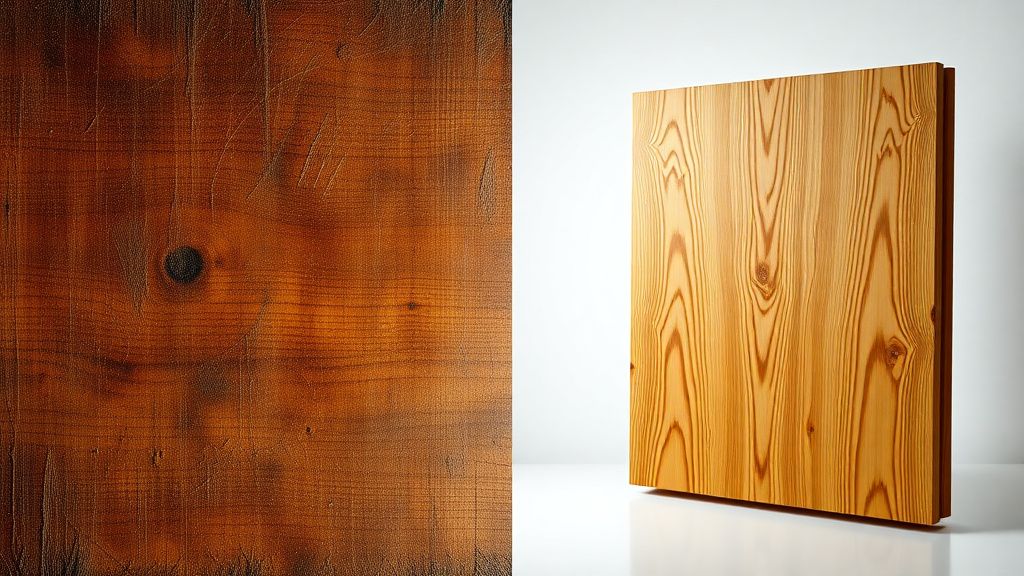
Scaling the Workflow: The Assembly Line of Recovery
If you treat each piece as a unique snowflake, your margin will vanish into the abyss of your hourly rate. You must implement a "batch processing" methodology:
- The Triage Station: All incoming pieces stay in an isolated, dehumidified zone for 48 hours. If the smell persists, the piece is discarded immediately. Do not contaminate your workshop inventory.
- The Chemical Wash Phase: Keep a dedicated workbench for acidic treatments (Oxalic and Citric acid). This is the "dirty" work.
- The Finishing Chamber: This must be a clean-room environment. If you are using professional-grade conversion varnishes (which provide the high-durability finish modern buyers demand), you cannot have airborne dust.
Operational Reality Check: Many restorers fail because they prioritize the art of the finish over the science of the substrate. If you do not seal the bottom of a sideboard after stripping it, it will eventually cup and warp again in the client's home. The "invisible" work—sealing the non-visible undersides with a moisture-resistant barrier—is what prevents warranty claims and returns, which are the silent killers of boutique profits.
Counter-Criticism: The "Sustainability" Myth
A common critique of the "flip" industry is that we are simply masking decay with heavy chemicals and VOC-heavy lacquers. Critics argue that we should use traditional shellacs and waxes. While commendable, this approach often fails the "living room test." Modern homes are not museums; they are high-traffic environments. If your product cannot withstand a dropped glass of water, your brand reputation will crater.
The industry controversy here is a balance between Ethical Restoration (minimal intervention) and Commercial Restoration (maximum durability). As a boutique business owner, you must choose your lane. The high-margin lane is clearly the latter.
Managing Customer Expectations (The Trust Gap)
The moment you tell a client a piece was "water-damaged," you risk triggering the "it's dirty" response. Reframe the narrative. Instead of "water-damaged," use "professionally climate-stabilized and restored."
Provide your customers with a "Post-Restoration Care Card." This small, professional addition does two things:
- It signals that you are an expert who understands the material.
- It creates a psychological anchor that the furniture is a "precious asset" requiring care, rather than a commodity to be abused.
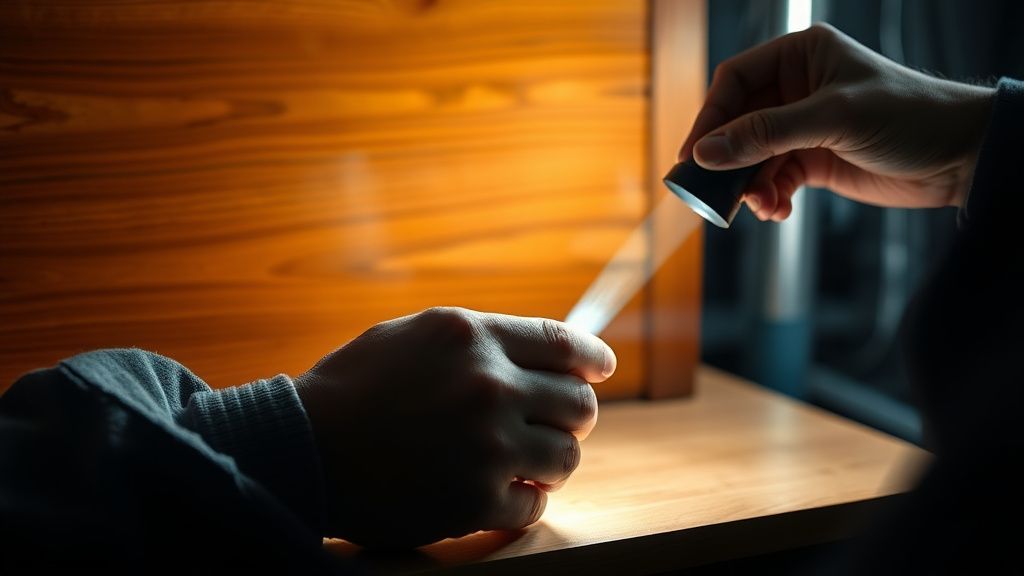
Avoid the trap of "over-promising." If a piece of veneer is missing, do not attempt to "stain-match" the void. Either replace the entire veneer section or embrace the "Wabi-Sabi" aesthetic, highlighting the history of the piece. Trying to draw grain patterns with a Sharpie or a wood marker is a amateur move that is immediately spotted under LED lighting, leading to inevitable returns and destroyed credibility.
Technical Failure Points: When to Walk Away
In this business, the most valuable tool in your kit is your ability to say "no."
- Particleboard Swelling: If the base of a cabinet has swollen, the glue joint is gone. It will never be structurally sound again. Do not invest labor into it.
- Delamination of Curved Surfaces: Restoring a water-damaged curved drawer front requires specialized vacuum bags and custom-cut cauls. Unless you have the equipment to handle this, the repair will show, and your resale value will tank.
- Chemical Burn: If a previous owner tried to fix the stain with aggressive household bleach (chlorine), they have destroyed the wood fibers. No amount of sanding will fix this; the wood will simply refuse to take a finish evenly.
How do I know if the "black stain" is too deep to sand out?
If you have attempted a 15% oxalic acid wash and the stain does not fade, it has penetrated the wood fibers at a molecular level. Sanding deeper will only result in a depression in the wood. In this case, you must either embrace the stain as a "patina" or apply a toner finish to mask it. Do not keep sanding.
Is it profitable to use professional spray equipment, or can I stick to brushes?
For a high-margin boutique business, brushes are a liability. Brushes leave streaks and dust traps. A professional HVLP (High Volume Low Pressure) system allows you to lay down thin, consistent coats of conversion varnish that look like a factory finish. The finish is the first thing a buyer touches; if it feels "sticky" or uneven, your margin is effectively zero.
How do I price these pieces to ensure a high margin?
Calculate your "all-in" cost: Acquisition + Consumables (sandpaper, solvent, chemicals, varnish) + (Hours * $40). Then, apply a multiplier of 2.5x to 3x. If the final price exceeds the market value for that specific model, you bought the piece for too much. Never let the "I love this piece" emotion dictate the acquisition price.
What is the biggest mistake beginners make with moisture-damaged wood?
They start sanding immediately. Sanding moisture-damaged wood before it is fully dry and stabilized pushes the contaminants deeper into the grain and creates a fuzzy surface that is impossible to smooth. Always dry, then stabilize with a bonding agent, then sand.
Why do some restorers advise against ozone machines?
Ozone generators effectively kill surface mold and neutralize odors, but they can degrade the structural integrity of natural rubbers, glues, and some plastics found in vintage furniture. If you must use one, do so in a sealed chamber for a limited time. Never assume it is a "magic fix" for deep rot.