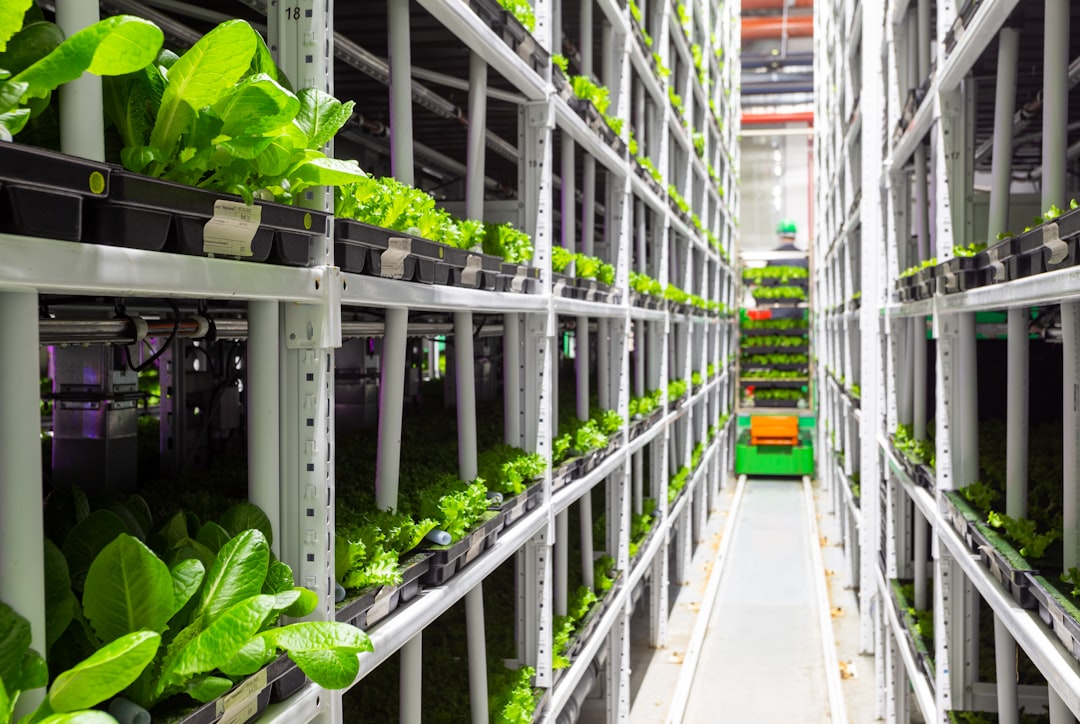
Modular vertical herb gardening is often sold as a high-margin "plug-and-play" business model, much like how others explore the high-margin hardware upgrade service business to achieve scale. However, the operational reality is a grueling exercise in fluid dynamics, nutrient management, and logistical acrobatics. Profitability relies not on the plants themselves, but on the efficiency of your water-to-shelf-space ratio and your ability to navigate the fickle demands of local restaurant chefs.
The Myth of "Low-Effort" Scaling
Walk into any high-end farmers' market in a city like London or New York, and you will see the dream: pristine micro-greens and living basil walls sold at a premium. The narrative suggests that you build a frame, add a drip line, and watch the cash flow. The reality found in GitHub issues for DIY hydroponic controllers and Reddit’s r/hydroponics threads tells a different story.
Scaling a vertical garden is essentially a systems engineering problem, requiring the same technical rigor seen in strategies for building a high-ticket AI automation agency that thrives. The moment you move from a "hobbyist wall" of six plants to a "commercial unit" of six hundred, you transition into infrastructure management, a pivot often discussed in the 2026 blueprint for vertical integration in AI agencies. If your nutrient solution pH drifts while you are sleeping, or a single pump fails because of biofilm accumulation, you aren't losing a hobby; you are losing two weeks of revenue.
- The Scaling Trap: Many newcomers start with off-the-shelf "modular" kits. These kits are rarely designed for 24/7 commercial throughput. They suffer from plastic fatigue, proprietary component failure (meaning you can’t buy a replacement pump at a hardware store), and systemic clogging due to organic buildup.
- The Hidden Cost of Water: In urban environments, water access and disposal are often overlooked. Every gallon of nutrient-rich runoff is a potential code violation if dumped into a municipal storm drain. You need a closed-loop system, which increases electricity overhead significantly.
Real Field Report: The "Basement Basil" Incident
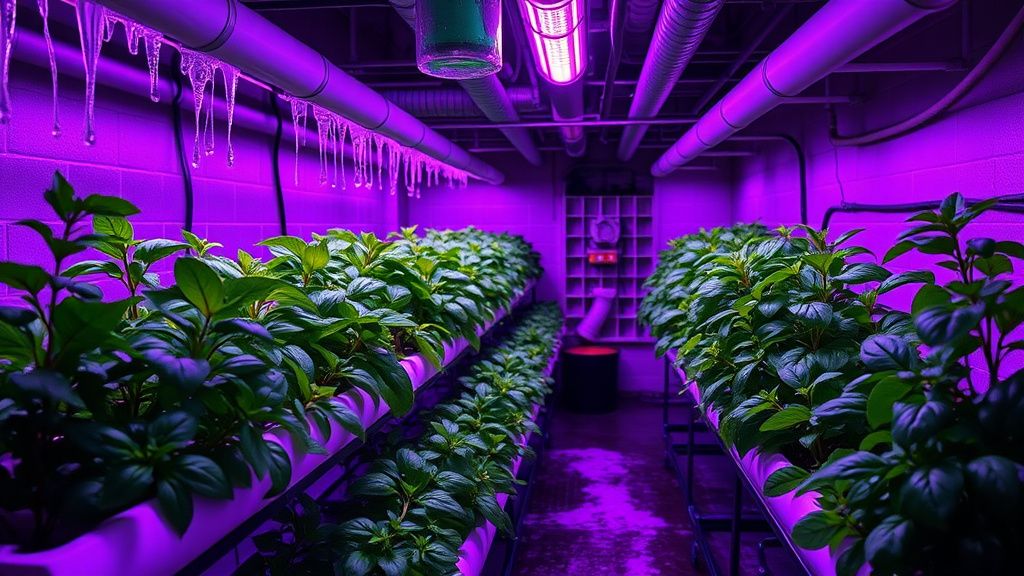
In a 2022 case study from a small-scale urban startup in Chicago, an operator attempted to scale from a residential 4-tier vertical unit to a 40-tier rack system in a leased storefront. The setup relied on a gravity-fed NFT (Nutrient Film Technique) system. By week three, they hit "Biofilm Armageddon." The biofilm growth, accelerated by the urban humidity and high-intensity lighting, choked the return lines.
The result? A massive overflow that destroyed drywall and caused a $15,000 insurance headache. The operator noted on a private Discord server, "The design looked great on paper, but it couldn't handle the biological load of 1,000 plants in a closed loop. We weren't farmers; we were plumbers who happened to grow arugula."

Economics: The Margin vs. The Grind
Profitability in urban micro-agriculture is almost entirely determined by crop selection vs. space efficiency. Basil and mint grow fast but are sold in bulk and often compete with low-cost commercial field-grown herbs. Micro-greens and high-end culinary garnishes (like borage, nasturtium, or purple shiso) are where the margins actually exist.
The "urban market" isn't a monolith. It’s a series of disconnected, high-friction relationships:
- The Chefs: They demand consistency. If your dill isn't the same size and pungency every Tuesday at 9:00 AM, they will cancel your contract.
- The Farmers' Markets: They demand the "local/organic" story. This is a marketing tax—you have to spend hours standing behind a table, which is time you aren't spending on maintenance.
- The Direct-to-Consumer: High acquisition cost per customer. Shipping living herbs is a nightmare of logistics and cold-chain fragility, echoing the complex challenges solved by AI-driven algorithmic arbitrage in global freight.
The Engineering Debt of Modularity
Most vertical systems fail because they are designed for aesthetics, not serviceability. When you read through technical forums like Hacker News discussions on automated greenhouses, you see a common theme: "If you can’t reach the pump, you’re dead."
Effective modular design should prioritize:
- Accessibility: Every tube, valve, and sensor must be reachable in under 30 seconds without dismantling a plant rack.
- Failure Isolation: One failed pump or one contaminated reservoir should not kill your entire operation. A modular system must have isolated water loops so you can quarantine a section of "sick" plants.
- Standardization: Avoid proprietary sensors. Use industrial standard 0-10V or 4-20mA signals for sensors that can be replaced by any generic hardware module.
Counter-Criticism: Is the ROI Even Real?
There is a growing chorus of skepticism regarding the "Vertical Farming" hype. Critics, including agricultural economists writing for The Information or Financial Times, point out that the energy intensity of indoor growing often makes it carbon-negative compared to local soil-grown produce.
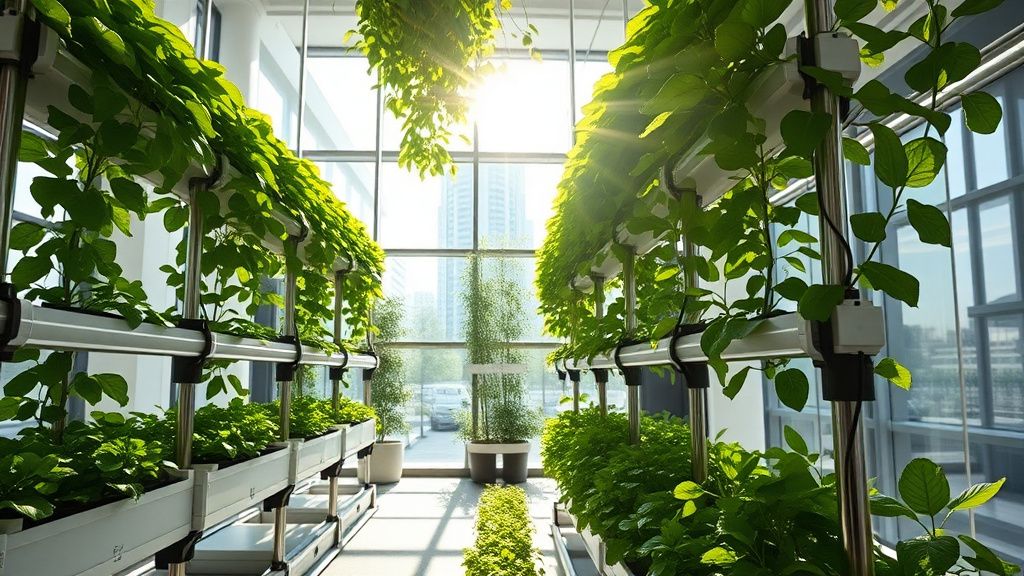
If you are paying for commercial urban electricity to run HVAC (to dehumidify) and high-PAR LED arrays (to replace the sun), your electricity bill will almost always exceed the market value of the herbs you produce. The only way to win is to optimize the light-to-weight ratio and seek out "hyper-local" premiums that large-scale industrial farms cannot reach.
"The economics only work if you are your own landlord and you are using waste energy," says an industry analyst on a recent professional forum. "If you are paying market rent for your square footage in a major city, you are effectively paying $50 a pound for basil."
Workflow and Operational Reality
To run this business, you must treat your farm like a software sprint. You need:
- The Seed-to-Harvest Calendar: No guesswork. Every cycle should be logged in a spreadsheet or an open-source farm management system (like FarmOS).
- The Cleaning Protocol: 60% of your time will be spent cleaning. If you don't believe this, you aren't farming yet.
- Customer Relationship Management (CRM): You aren't selling plants; you are selling reliability. Keep a log of every chef’s specific color/size preference.

Scaling Challenges: When "Systems" Break
As you expand, you will hit the "Scaling Wall." This is where your original manual methods collapse. You will encounter:
- Root Rot: In a large, shared-water system, one plant with a fungal infection can turn your reservoir into a pathogen vector in 24 hours.
- Pest Explosion: Aphids in an indoor environment reproduce exponentially. Without soil to provide biological checks and balances, you are forced into chemical or heavy biological management.
- Sensor Drift: Your EC (Electrical Conductivity) and pH meters will lose calibration. If you don't recalibrate every two weeks, your plants will die, and you won't even know why.