
The mold remediation industry is currently undergoing a painful, necessary evolution. For decades, the "spray-and-pray" model—where contractors blasted surfaces with harsh chemical biocides and called it a day—dominated the market. In 2026, that approach is a liability. High-margin success now relies on a paradigm shift: move away from toxic remediation and toward holistic "Bio-Restoration." This means viewing mold not just as a stain to be bleached, but as a symptom of a failing building envelope. The most profitable firms are those that stop acting like janitors and start acting like building scientists.
The Death of the "Bleach It" Mentality
If you walk into a residential job site today with a bucket of sodium hypochlorite, you aren’t solving the problem; you’re just rebranding the anxiety. Clients are increasingly educated. Thanks to platforms like Reddit’s r/MoldCleanup and various building science forums, homeowners are now hyper-aware of the difference between "killing" mold and "removing" it.
Chemical-heavy remediation often leaves behind "mycotoxin debris"—dead spores and fragmented hyphae that remain allergenic and toxic. Professional, high-margin services now pivot toward HEPA-vacuuming, mechanical agitation, and botanical-based enzymatic cleaners. The margins here aren't in the chemicals—which are cheap—but in the precision of the containment and the diagnostic reporting.
Building Science as a Profit Center
While other industries are facing a literal gold rush, such as the trends discussed in The Moon’s Lunar Gold Rush: Why 2026 Is Sparking Global Territorial Disputes, the mold remediation industry's "Gold Rush" in 2026 isn't in the act of cleaning; it’s in the Post-Remediation Verification (PRV) and the Moisture Diagnostic Audit.
Most remediation companies fall into the "commodity trap." They compete on price per square foot. To reach high-margin status, you must bundle remediation with moisture mitigation. If you remove the mold but leave the humidity, you have a callback. Callbacks are profit killers.
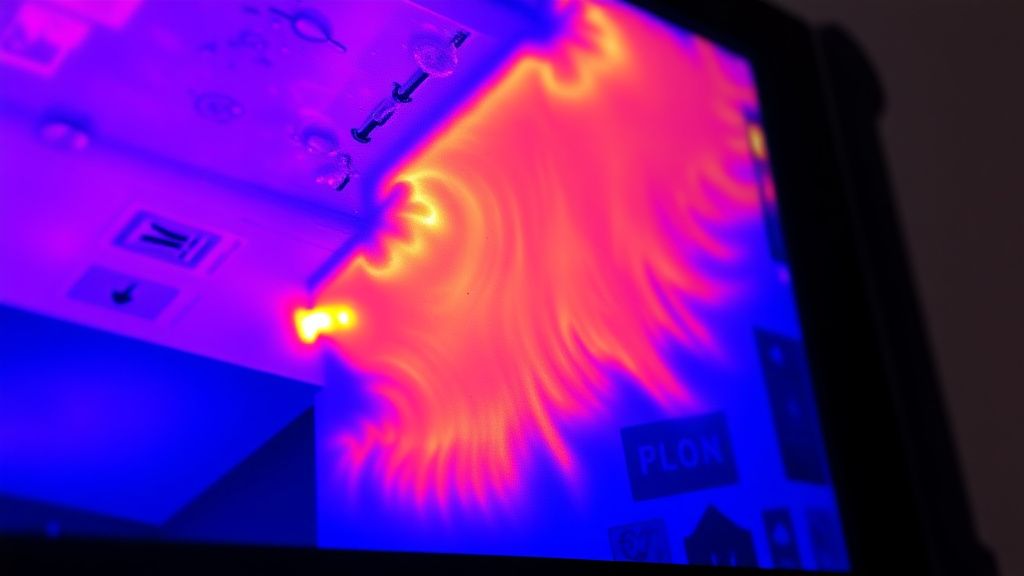
Instead, perform a "Building Health Audit" before and after the job. Use thermal imaging cameras (FLIR is the industry standard, but the data matters more than the tool) to identify thermal bridging, air leaks, and hidden condensation points. Charging a flat fee for a comprehensive 20-page "Health Report" creates a high-trust, high-margin service that clients are willing to pay a premium for, especially in the high-end residential and commercial insurance markets.
The Operational Reality: Why Most Startups Fail
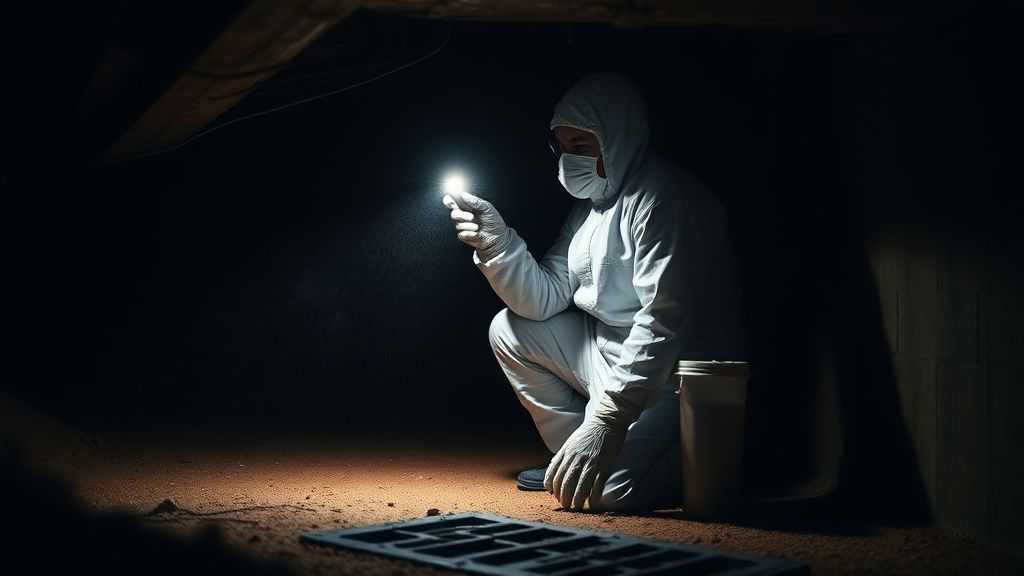
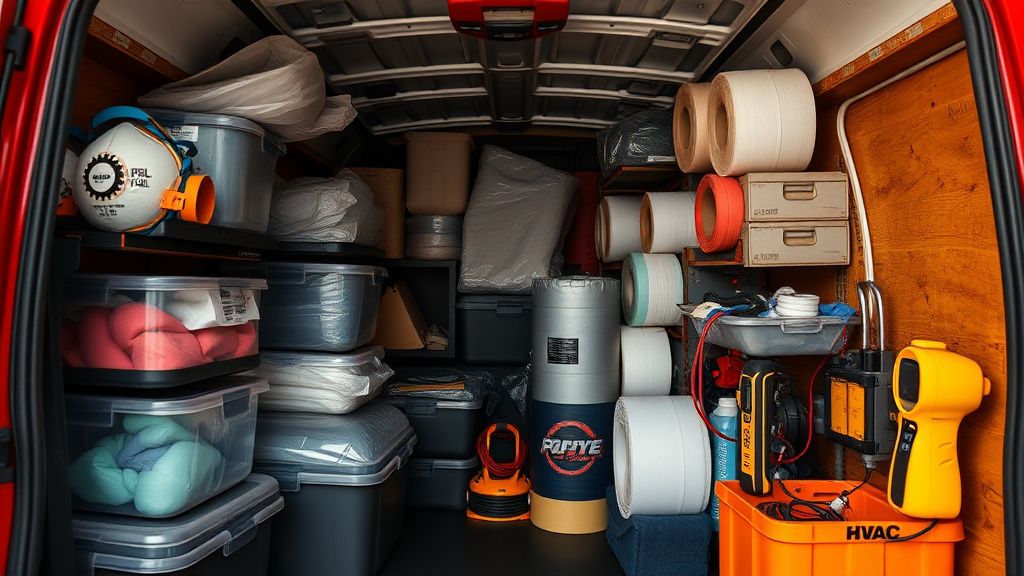
The "messy middle" of a remediation business is the logistics of containment. If you have ever been on a job site where the negative air machine (NAM) seal failed, you know the sound—the subtle thrum of failure. When that happens, you’ve just cross-contaminated a clean living area, and your reputation is toast.
Scaling this business is notoriously difficult because labor quality is inconsistent, a challenge common in many sectors that are currently navigating complex logistics, similar to how firms are managing shifts in How AI-Driven Algorithmic Arbitrage is Reshaping Global Freight Logistics. You are sending people into confined, dirty, and psychologically taxing spaces.
"We hired three techs last year who quit in the first month. It’s not just the smell or the protective gear; it’s the constant tension of knowing that if you miss a single patch of drywall behind a vanity, you’re on the hook for a massive redo. Most guys don't have the attention to detail required to clean an HVAC system without blowing spores everywhere." — Senior Technician, Seattle-based Remediation Firm (Discord, r/RestorationPro).
To combat this, the highest-margin operators are moving toward Standardized Workflows (SOPs), much like how businesses are adopting innovative models to optimize efficiency, such as those detailed in Beyond One-Product SaaS: Why Micro-SaaS Clusters Are the Future of 2026. Every technician should have a checklist that includes specific photo documentation of every stage—pre-remediation, containment setup, mechanical removal, and final wipe-down. If it isn't documented, it didn't happen.
Marketing to the "Eco-Anxious" Client
The shift toward "Green" mold removal is largely a reaction to the public’s fear of volatile organic compounds (VOCs), reflecting a broader societal trend where consumers are seeking safer living environments, akin to the principles discussed in Why Your Home Needs to Be a 'Cognitive Sanctuary' to Fight Digital Burnout. When you market your service, emphasize the Botanical Enzyme Technology. Explain that you are breaking down the cell walls of the mold rather than just bleaching the color out.
However, be warned: The "Green" label is a double-edged sword. If you claim to be "non-toxic," ensure your products have the certifications to back it up (e.g., GreenGuard Gold). If you over-promise on the "natural" aspect and then use a harsh disinfectant because the colony was too stubborn, you lose your credibility. Transparency—explaining exactly why a specific product was chosen—is the ultimate luxury service element.
The Conflict: Remediation vs. Restoration
There is a permanent, simmering conflict in the industry between "Remediators" and "Restorers."
- The Remediator: "We kill the mold, remove the material, and hand it back to the contractor."
- The Restorer: "We manage the entire project, including the rebuild, to ensure the moisture issue is actually solved."
The margin is higher in the "Restoration" model because you control the whole chain of command. But the risk is significantly higher. If the drywall hanger leaves a gap or the plumber doesn't seal a pipe, the mold returns, and the homeowner blames you.
Industry debate often centers on whether remediation firms should partner with HVAC specialists or bring them in-house. A firm that ignores HVAC is a firm that will be out of business in three years. According to BuildingScience.com, over 70% of mold issues are related to improperly sized or malfunctioning HVAC systems. If you can upsell an HVAC inspection as part of your "Premium Package," you immediately separate yourself from the local "handyman with a spray bottle" operations.
Counter-Criticism: The "Fear-Based" Sales Trap
Critics of the high-margin model argue that many companies use "mold anxiety" to upcharge vulnerable clients. There is a fine line between educating a client on legitimate health risks (such as Stachybotrys or Aspergillus) and fear-mongering to push a $15,000 mitigation plan on a small attic colony.
Industry watchdogs (such as those on the IAQA - Indoor Air Quality Association forums) frequently point out that some firms use "scare tactics" by running uncalibrated air tests that yield false positives. This practice is "tainting the well"—it makes it harder for honest operators to charge high margins because consumers are now skeptical of everyone in the industry. The best way to secure your revenue is to prioritize Third-Party Testing. Always recommend an independent industrial hygienist to conduct the pre- and post-testing. It builds untouchable authority.
Scaling in 2026: The Tech Stack
Don't ignore the importance of the digital layer. The high-margin firms use project management software (like Dash or Encircle) that allows for real-time cloud-syncing of photos.
When a homeowner can see a live dashboard of the work progress, their anxiety drops. If you can provide a "Certificate of Clearance" issued by an independent pro immediately upon job completion, you can justify a 20-30% premium over the market rate.
Sıkça Sorulan Sorular
Is "Mold Removal" even possible, or just "Mold Reduction"?
How do I price my services for "High Margin" status?
Why do some remediation firms insist on gutting everything?
What is the biggest mistake new firms make in their first year?

As you build this operation, remember: the barrier to entry in this industry is low, but the barrier to expertise is incredibly high. If you choose the path of the "Bio-Restorationist"—where you analyze, measure, clean, and verify—you will never be competing on price. You will be selling safety, and in a market where people spend their entire lives indoors, there is no higher value proposition.