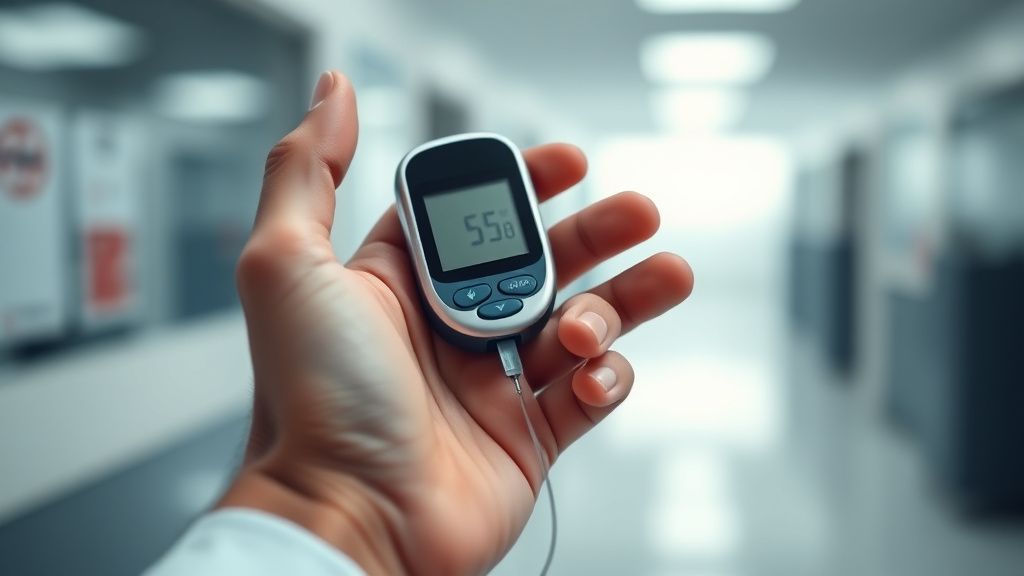
The promise of high-ticket metabolic health coaching lies in the transition from generic "eat better" advice to data-driven precision. By leveraging Continuous Glucose Monitor (CGM) analytics, coaches can shift their value proposition from vague wellness guidance to granular biological feedback. However, beneath the polished surface of app-based tracking and sleek health dashboards—which often fail to provide actual insight as explored in Why Most AI Marketing Dashboards Fail (And How to Actually Build One)—the operational reality of running such a business is a messy, high-stakes intersection of medical privacy laws, complex human psychology, and the inevitable friction of technical limitations.
Building a sustainable business here requires more than just interpreting glucose spikes; it requires managing the erosion of trust when data conflicts with lived experience, and navigating a fragmented regulatory landscape where "coaching" ends and "practicing medicine" begins.
The Myth of the "Data-Driven" Breakthrough
The prevailing marketing narrative suggests that if you hand a client a CGM, they will magically fix their insulin resistance because they can "see" the impact of a bagel on their blood sugar. In practice, the adoption friction is significantly higher.
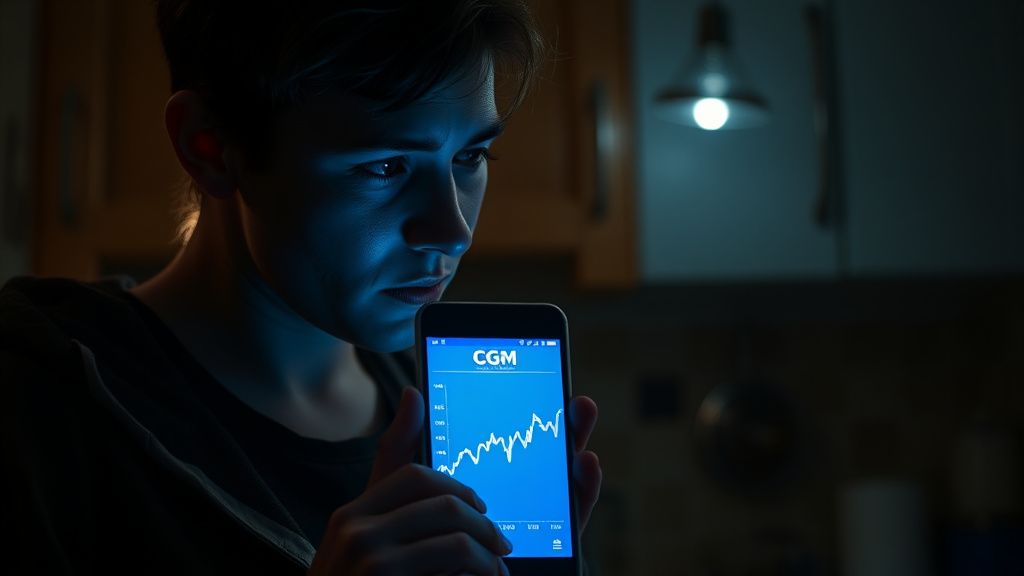
When you scale a high-ticket metabolic business, you quickly realize that the sensor is not a teacher—it is an amplifier. For a client who is already anxious, the 24/7 stream of data can become a source of neurotic hyper-vigilance. We have seen instances on forums like r/Biohackers and internal Discord communities where clients report "CGM-induced orthorexia." When every minor fluctuation becomes a psychological event, the coach’s role shifts from a data analyst to a trauma-informed mediator.
The Operational Reality: Beyond the Dashboard
High-ticket coaching assumes a premium service level, but the backend reality is often a logistical nightmare. You aren't just a consultant; you are effectively an IT support desk for hardware that fails, similar to how Stop Resetting Routers: How Tech Pros Are Charging Premium Fees for Wi-Fi 7 Optimization highlights the rising demand for professional technical intervention in complex home networks.
- The API Fragmentation: Different manufacturers (Dexcom, Libre, etc.) maintain guarded ecosystems. Integrating these into a unified coaching platform often requires fragile workarounds using tools like Zapier or custom-built middleware that is prone to breaking during firmware updates.
- Signal vs. Noise: A client might have a "perfect" glucose profile but feel exhausted and lethargic. If you rely solely on the CGM, you miss the systemic inflammation, hormone dysregulation, or simple sleep deprivation. High-ticket clients expect holistic synthesis, not just a printout of their glycemic variability.
- Liability and Scope: In many jurisdictions, providing dietary prescriptions based on blood sugar data skates close to the edge of medical practice. A coach must rigorously document that they are providing "educational information" based on data trends, not "medical advice." Without a clear disclaimer and a robust intake process that screens for diagnosed Type 1 or Type 2 diabetes, you are one liability lawsuit away from disaster.
The Workaround Culture of Users
If you look at GitHub repositories or various open-source communities like Nightscout, you’ll find that the "official" apps provided by the medical device companies are frequently inadequate for power users. Your clients—if they are highly educated tech-professionals—might already be using third-party software to visualize their data.
As a coach, you need to be platform-agnostic. Trying to force a client into a specific ecosystem is a quick way to kill your churn rate. The most successful businesses in this space are those that build "data-translation layers," a strategy of scaling complexity similar to the technical challenges outlined in Scaling an AI Automation Agency: The Real Challenges of Payment System Integration.
Real Field Report: The Case of "The Perfect Glucotype"
In a recent observation of a high-ticket program, one cohort of 20 executives utilized CGMs over a 12-week period. By week 4, the data-driven engagement plummeted. Why? The "novelty effect" of watching glucose levels wore off, and the reality of behavior change—the actual work of changing a diet or stress management—set in.
The "aha" moment for the coach was realizing that the CGM was useful for discovery (finding out that specific foods caused unexpected spikes) but useless for habit formation. The highest retention rates were found in coaches who stopped sending "your average glucose is X" messages and started sending "you’ve been stressed all week, look how your fasting glucose is trending upward; let's talk about sleep hygiene" messages.

The Conflict: "Data is Not Truth"
One of the most persistent industry controversies is the "glucose-only" trap. Silicon Valley hype cycles have convinced many that glucose is the primary lever of human health. However, metabolic health is a multi-dimensional construct.
- The Counter-Criticism: Critics, including endocrinologists writing in journals like The Lancet, argue that the normalization of glucose monitoring in healthy, non-diabetic populations leads to unnecessary medicalization.
- The Coaching Dilemma: If you sell a high-ticket program on the premise that "glucose is everything," you are setting yourself up for failure when a client follows every data point and still doesn't lose weight or improve their fatigue.
To build a high-ticket offering, you must anchor your service in biochemical literacy, not just data visualization. Teach the client how to interpret the CGM data in the context of their stress, menstrual cycle, and physical activity. If you aren't doing this, you are merely a high-priced data-entry clerk, and you will eventually be replaced by an AI that can read a graph better than you can.
Scaling the "High-Touch" Requirement
High-ticket implies personalized attention. But how do you scale that? The temptation is to automate everything. The failure is that automation lacks the nuance of an expert human coach.
The most successful models currently operate on a hybrid system:
- Automated Data Ingestion: Use tools to pull the glucose data into a clean, actionable weekly report for the coach.
- Human Synthesis: The coach spends 10–15 minutes per client, per week, reviewing the report for anomalies that the algorithm might miss (e.g., a "spike" that was actually the result of a high-intensity workout, not a high-carb meal).
- Strategic Communication: The coach sends a personalized video message or voice note. This human touchpoint is the "high-ticket" value. It cannot be automated.
The Failure Points of the Industry
If you look at the support threads and trust-pilot style reviews for metabolic health startups, you see a pattern of "churn and burn."
- The "Hardware Fatigue": Sensors are invasive. They fall off. They trigger skin reactions. If your business model relies on the client wearing a device for 6+ months, you will face high attrition. Your model must include an "off-ramp"—teaching the client how to maintain their metabolic health without the sensor. If you don't teach them to be independent, you haven't built a health business; you’ve built a data-subscription addiction.
- Algorithm Errors: Clients often report that the app’s "score" (e.g., "Metabolic Health Score 88/100") is misleading. When a client gets a low score for a healthy, high-fiber meal just because it caused a slow rise in glucose, they lose trust in your system. As a coach, you must act as the "de-bugger" of the algorithm, explaining to the client why the machine is wrong.
Setting Pricing and Value Perception
Charging high-ticket prices ($2,500–$10,000 per program) requires moving the conversation away from the hardware. If you are selling "a CGM and a diet plan," you are competing with $20/month apps.
You must sell Outcome-Based Transformation. This involves:
- Detailed Diagnostics: Before the CGM starts, do the blood work. HbA1c, fasting insulin, lipids, HS-CRP. The CGM is just the "continuous" window; the blood work is the "ground truth."
- Behavioral Architecture: Incorporate modules on sleep optimization, gut health, and stress response.
- Community/Accountability: The power of a cohort-based model where clients share their findings. Seeing another high-achiever struggle with a similar metabolic spike is a powerful antidote to shame.
Managing the "Workaround Culture" and Platform Instability
Never build your business on a proprietary app that you don't control. Many coaches have learned the hard way that when a platform updates its API or changes its pricing, your entire business infrastructure can collapse overnight.
Use decentralized, flexible tools. Maintain a Notion database of your own, use secure messaging platforms that allow for long-term historical tracking, and keep your documentation in a format that you can export. When a platform has a "service disruption"—and they all do—you need to be the steady hand for your client.
Why Clients Quit (And How to Fix It)
Most clients leave for three reasons:
- The novelty wears off and they don't see a "quick fix" for their weight or energy levels.
- Technical frustration with the sensors or the app.
- The advice feels generic despite the high price.
To solve this, implement a "data-review ritual." Every week, the client must submit a "narrative" of their week—what they felt, what happened, and where they think they struggled. Then, you map that narrative against the CGM data. This bridges the gap between the objective machine output and the subjective human experience.
The Future: Beyond the Sensor
We are moving toward a period of "metabolic democratization." As CGMs become cheaper and more available, the barrier to entry for the hardware will disappear. The value of your business will not be in the data itself, but in the synthesis, context, and coaching.
The coaches who will thrive in the next five years are not the ones who can read a glucose chart the fastest; they are the ones who can navigate the complex human behaviors that keep those charts in the optimal range. They are the ones who understand that the client is not a machine to be optimized, but a person to be supported.