The promise of urban micro-farming is often sold as a pastoral dream, but serious growers looking to scale should look at insights on how to achieve efficiency as discussed in From DIY to Profit: Scaling Passive Hydroponics for Urban Farming in 2026. The reality, however, is a relentless exercise in logistics, humidity control, and the "scaling trap." While microgreens command high margins—often fetching $20–$40 per pound at boutique farmers’ markets—the overhead of municipal water and the hidden labor costs of indoor environmental management often eat the profit before the first harvest is sold. Gravity-fed rainwater harvesting represents the most viable path toward lowering the operational expenditure (OPEX) and achieving a sustainable, resilient urban farm.
The Gravity-Fed Paradox: Architecture vs. Reliability
In an urban setting, your primary constraint isn't just space; it’s the cost of inputs. If you rely on municipal tap water, you are at the mercy of volatile utility pricing and, more importantly, the chlorine/chloramine content which can wreak havoc on microbial life in organic grow media. Gravity-fed systems—where water is collected from roof runoff, filtered through a multi-stage sediment/carbon system, and pressurized via simple head height or a low-wattage solar pump—are the gold standard for autonomy.
However, the "gravity" component is frequently underestimated. To achieve a 20 PSI pressure necessary for efficient misting or irrigation in a vertical stack, you need roughly 46 feet of elevation. In a standard urban garage or basement setup, this is physically impossible.
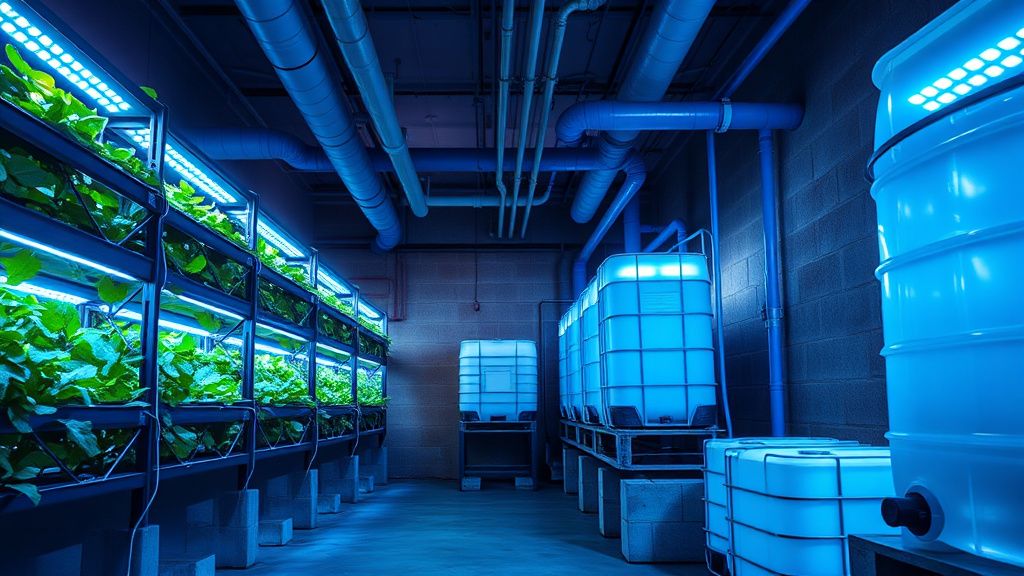
The Operational Compromise: Most successful micro-farmers utilize a "hybrid gravity" approach. They store water in elevated reservoirs (IBC totes) and use a small, DC-powered pump to pressurize the line. It is not "pure" gravity, but it is "gravity-assisted." The failure point here is the pump relay or the filter clogging. If your primary irrigation line clogs due to sediment from the roof, you lose a crop cycle in 24 hours. There is no "grace period" with microgreens.
Technical Analysis: The Hydro-Balance of Microgreens
Microgreens are essentially "high-intensity biomass." They require a precise balance of VPD (Vapor Pressure Deficit) and nutrient-rich, pH-balanced water.
- The Filtration Load: Rainwater is not inherently sterile. Bird droppings, atmospheric particulates, and rooftop debris mean that a simple mesh screen is insufficient. You need a primary settling tank, a 50-micron pleated filter, and a secondary 5-micron carbon block filter.
- The pH Sensitivity: Rainwater is naturally acidic (pH 5.0–5.5). Microgreens thrive in the 6.0–6.5 range. You must maintain a buffer system. Many newcomers fail because they pump raw rainwater directly into their trays. Without buffering, you see stunted growth and potential nutrient lockout.
Real Field Report: The "Garage-to-Table" Failure Pattern
I recently analyzed a micro-farm operation in a mid-sized city that attempted to fully scale using only rainwater. The setup was technically sound on paper: 2,000 gallons of storage, food-grade IBCs, and a closed-loop recirculating system.
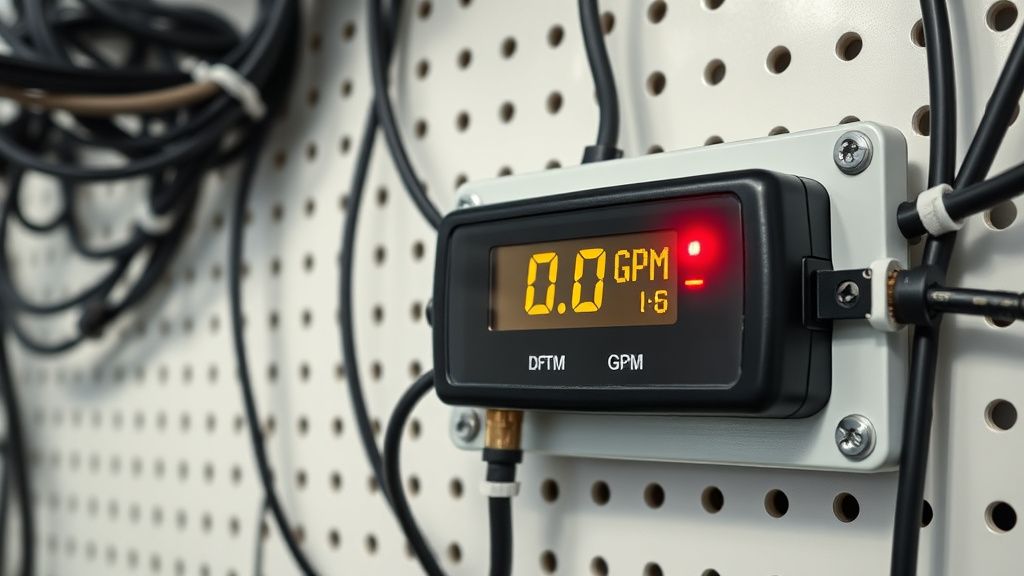
The failure occurred in week six. It was a prolonged dry spell followed by a sudden deluge. The first flush of the rain contained high concentrations of concentrated dust and pollutants from the roof surface, which bypassed the initial diverter. The resulting biofilm growth inside the irrigation lines caused a blockage in the drip emitters. By the time the grower realized the flow rate had dropped, 400 trays of sunflower shoots had withered.
The Lesson: Never automate the critical path without manual observation points. The grower had a "set-it-and-forget-it" mentality. They trusted the system's sensors, but the sensors measured water level, not water clarity or flow rate.
Economic Reality: Is it High-Margin or High-Maintenance? For those interested in alternative revenue streams beyond produce, consider how How Royalty-Backed Assets Are Changing Passive Wealth Creation or Mining the Data Center: How to Profit From Retired Server Hardware can provide more predictable margins.
The term "high-margin" is the bait that pulls people into micro-farming. Let’s look at the actual breakdown.
- Seed Cost: 15–25% of gross revenue.
- Labor: 40% (Harvesting is incredibly tedious).
- Electricity (Climate control + Lights): 20–30%.
- Water/Nutrients: If using city water, this is negligible. If using rainwater, your equipment maintenance cost (replacing filters, cleaning tanks) actually approaches or exceeds the cost of city water.
So, why do it? Control and Quality. When you manage your own water, you control the PPM (parts per million) of the mineral content. You avoid the fluctuating municipal chemicals. The quality of the product is significantly higher, which allows for premium pricing in the "farm-to-table" restaurant sector. You aren't just selling greens; you are selling a "hyper-local, untreated" product.
The Counter-Criticism: The "Rainwater Purity" Myth
Critics within the vertical farming community often argue that rainwater harvesting in urban areas is a fool’s errand. The logic is simple: urban heat islands and heavy air pollution mean that your "free" water is essentially a soup of heavy metals and microplastics.
- The Debate: Is it worth the risk of heavy metal accumulation in your leafy greens?
- The Reality: If you are collecting from an asphalt shingle roof, you are likely picking up phthalates and other hydrocarbons. Unless you have a certified lab report for your roof runoff, most "professional" urban farmers advise using rainwater for decorative or ornamental plants, while sticking to treated/RO (reverse osmosis) water for edible crops.
The industry is split. One camp pushes for the "pure, rustic, rainwater" narrative for branding. The other camp, operating at a commercial scale, uses RO systems because consistency is the only way to retain a contract with a high-end restaurant group. If your batch of pea shoots tastes like "metal" or "dust," you don't get a second chance.
Managing the Ecosystem: Scaling Through "Workaround" Culture
Successful operators usually don't scale by buying bigger machines; they scale by building better "workarounds."
- The Tray-to-Shelf Ratio: Don't build until your tray turnover is consistent.
- Redundancy: Always have a city water backup switch. Even if you use rainwater 95% of the time, the ability to flip a ball valve to the municipal line during an equipment failure is the difference between a business and a hobby.
- Community Sourcing: Some of the most successful urban farmers are "platforming" their growth. They don't just sell their own greens; they act as a local aggregator. They leverage their brand and their rainwater-efficient setup to help smaller growers in the neighborhood, essentially creating a cooperative.
The Future of Urban Micro-Farming
The hype around "vertical farming" has largely collapsed because of the massive capital required to build automated "plant factories." The micro-farming movement is a response to that. It is the democratization of high-intensity agriculture.
However, don't let the Instagram aesthetics fool you. This is closer to being a plumber/data analyst than being a farmer. You spend 10% of your time planting, 20% harvesting, and 70% fixing leaks, troubleshooting pumps, and managing the chemical balance of your water system. If you aren't prepared to spend your weekends under a sink or on a roof, you will be part of the high turnover rate that plagues this industry.