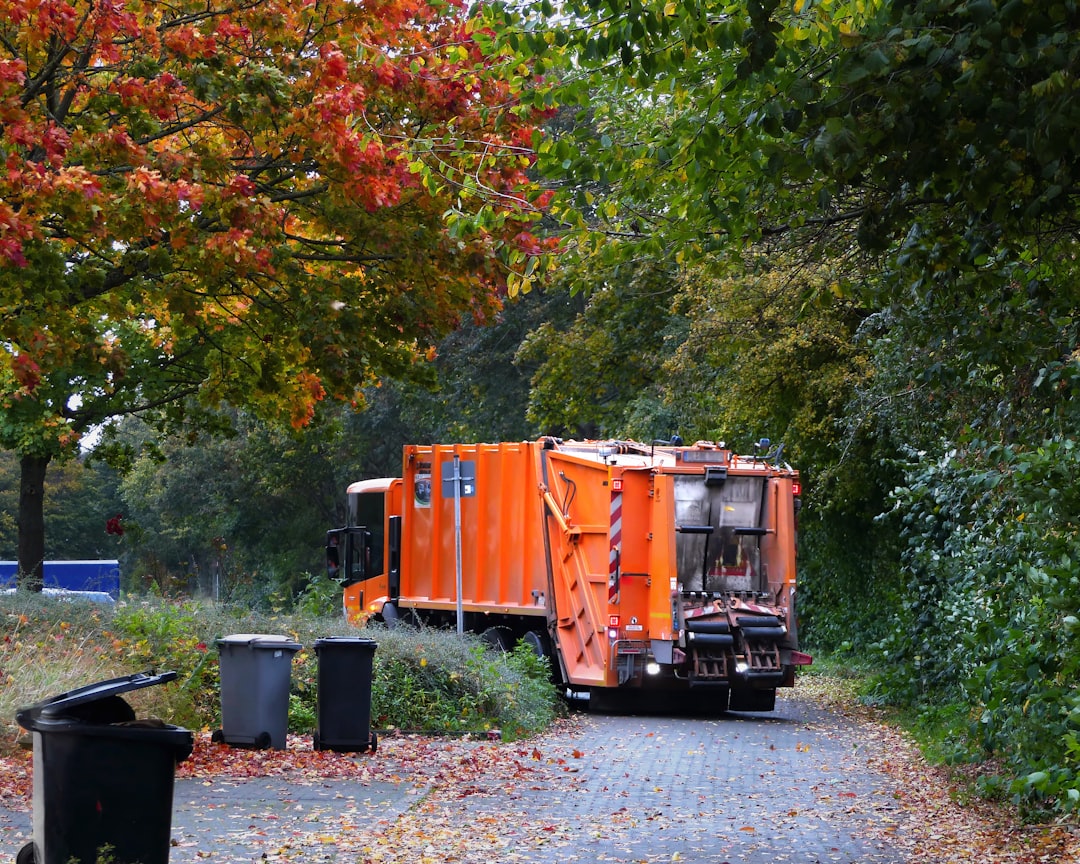
Scaling a boutique urban composting service isn’t about the romanticized ideal of “closing the loop” on food waste; it is a grueling exercise in logistics, odor mitigation, and municipal bureaucracy. By 2026, the sector has shifted from a fringe sustainability project to a high-stakes operational challenge where efficiency, regulatory compliance, and profit margins battle for dominance, much like the complexities of building a sustainable B2B AI prompt engineering agency. This guide dissects the transition from a neighborhood pilot to a professional-grade urban waste management entity.
The Myth of the "Easy" Circular Economy
In the early 2020s, the narrative surrounding urban composting was defined by optimism. You pick up a few buckets from a local café, dump them into a backyard tumbler, and harvest "black gold" for the neighborhood garden. This is a fairy tale, a stark contrast to the grounded, analog-focused decision-making that top CEOs are now adopting to escape digital noise. When you scale to serve twenty restaurants, you are no longer a gardener; you are a logistics manager optimizing complex systems—not unlike the precision required in reverse-engineering top-performing Shopify stores for higher conversions.
The Contamination Paradox
The most significant barrier to profitability isn't the composting process itself; it’s the quality of the feedstock. Restaurant kitchens are high-stress environments. When a line cook is in the weeds during a dinner rush, they are not reading your meticulously designed “Compost vs. Trash” infographic. They are scraping plates into the nearest bin.
If your service model relies on "clean" input, you are setting yourself up for failure. By 2026, the industry standard has shifted toward "Pre-Processing Audits." Successful operators now integrate a flat fee into their service contracts that accounts for a 5-10% contamination rate. If the contamination exceeds that, you move from service provider to enforcement officer.
“The moment you stop treating the restaurant kitchen as a partner and start treating them as a supply chain node, your margins stabilize. You aren't just taking their scraps; you’re managing their waste stream complexity.” — Reflections from an urban composter on a r/ZeroWaste forum thread regarding ‘The Cost of Plastics in My Pile’.
Operational Infrastructure: Scaling Beyond the Backyard
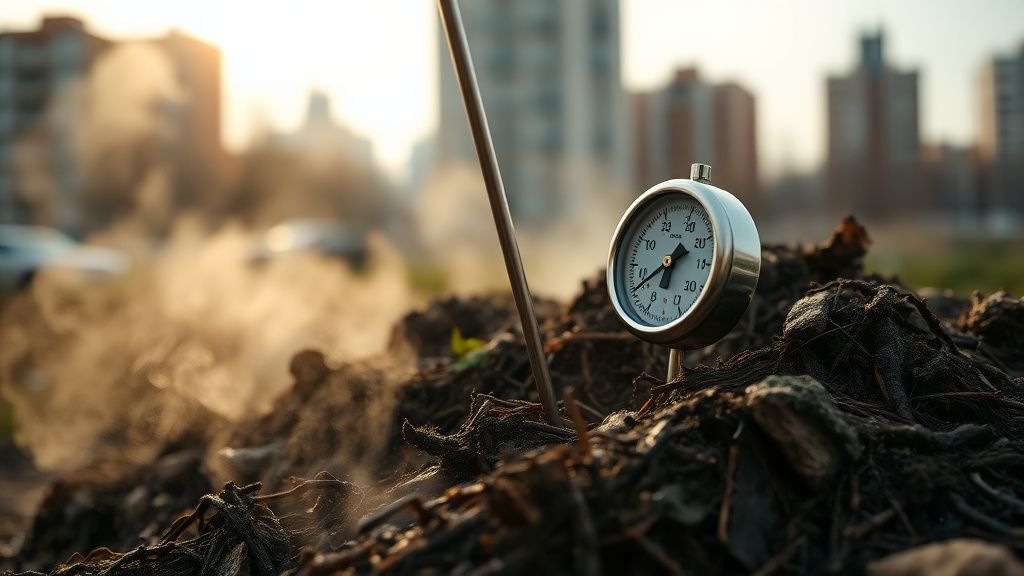
Scaling requires a shift from static piles to active aeration systems. In a dense urban environment, space is the most expensive commodity. Aerated Static Pile (ASP) systems are the industry standard for 2026 because they prioritize space efficiency and time-to-finish.
However, ASPs are prone to failure if the Blower-to-Pile-Density ratio is miscalculated. I’ve seen operators in Chicago and Berlin dump $50,000 into high-end aeration systems only to see them stall because they didn't account for the moisture density of high-citrus waste. When the pile goes anaerobic, you aren't just failing to produce compost; you are producing a public nuisance, inviting regulatory scrutiny, and potentially losing your municipal permits overnight.
The Regulatory Minefield
The shift toward mandatory organic waste diversion in major metropolitan areas has been both a blessing and a curse. While it has created a massive market of captive customers, it has also brought in institutional waste management giants (the "Big Haulers").
Small-scale boutique operations often suffer from "Policy Whiplash," facing hurdles similar to those navigating the intricate 2026 DeFi yield tax rules. You design your workflow based on a 2025 municipal code, only for a 2026 amendment to change the requirements for pathogen reduction (Time and Temperature requirements). Small operations rarely have a dedicated compliance officer, much like solo entrepreneurs who lack the resources to scale ergonomic consulting for remote teams in a shifting market.
Economics: The Unit Cost of a Bucket
How do you price a service that is essentially selling "disposal convenience" rather than the final soil amendment? The mistake most beginners make is pricing based on the value of the finished compost. That is a commodity play, and you will lose to large-scale municipal sites.
Your real product is avoided cost.
- Labor: The highest cost. Route optimization software is not optional. If you are using Google Maps to plan your daily pickup route, you are burning money.
- Liability: What happens when an employee slips on a spill at the loading dock? Insurance premiums for urban logistics are soaring.
- Infrastructure: Depreciation on electric vehicles and specialized containers.
The successful 2026 model uses a "Subscription-plus-Tipping-Fee" structure. The subscription covers the bin swap (logistics), while the tipping fee covers the biological processing.
Case Study: The "Broken" Pivot
A mid-sized operation in Portland attempted to scale by partnering with local fast-food chains. They believed the high volume would offset the cost. They were wrong. The volume brought unprecedented amounts of non-compostable wax-lined paper, latex gloves, and metal cutlery. The time required to manually sort this waste exceeded the revenue from the pickup fees. They were forced to pivot back to high-end, fine-dining restaurants where the kitchen staff could be trained on source-separation.
Lesson: Don't chase volume. Chase quality control. If your feedstock requires a manual sorting line, you are no longer a composting company; you are a sorting facility.
The "Maintenance Nightmare": Equipment Fatigue
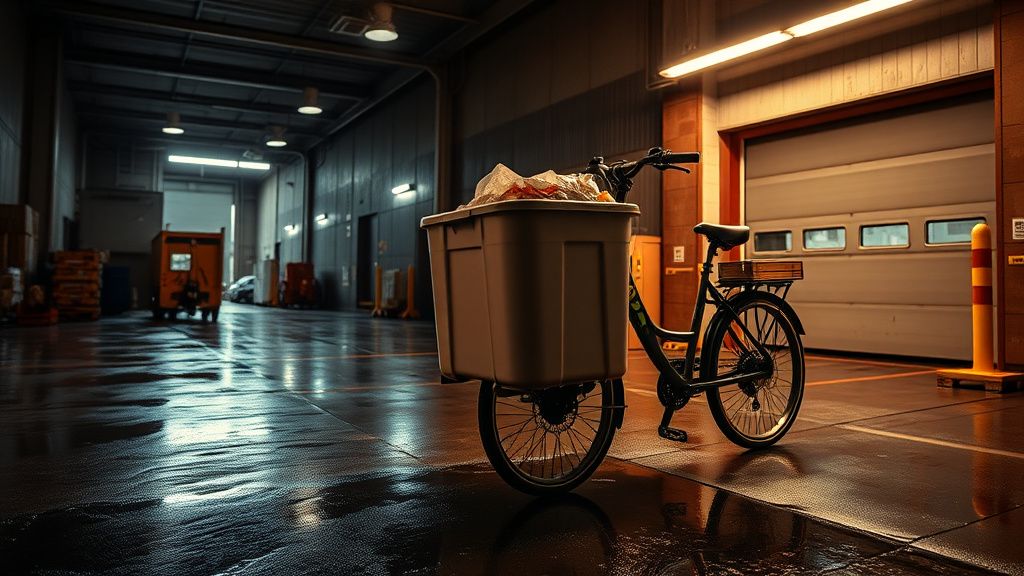
If you are running a fleet of electric cargo bikes or e-vans, prepare for maintenance cycles that your local bike shop isn't equipped to handle. The weight of food scraps is heavy, and it is corrosive. Salt-laden winter roads combined with the acidic nature of organic waste will destroy your drivetrain and chassis twice as fast as normal urban use.
- Pro-Tip: Develop a relationship with a local welding shop that understands the specific stresses of cargo frame fatigue. Do not rely on the stock warranty.
The Human Element: Managing the "Eco-Anxiety" vs. Reality
One of the biggest internal conflicts in this industry is the tension between the "sustainability mission" and the "hard-nosed business reality." Founders often feel a moral weight to accept all waste, which is exactly the path to bankruptcy. When you reach a certain scale, you must be comfortable saying "No" to a restaurant that refuses to adhere to your strict contamination standards.
This leads to "Founder Burnout." The community expects you to be a green hero, while the bank expects you to be a profitable firm. Navigating these two identities requires a level of emotional detachment that many eco-entrepreneurs are not prepared for.
Karşılıklı Eleştiri (Counter-Criticism and Debate)
There is a loud, vocal minority in the urban farming community that argues the "commercialization of composting" is a form of greenwashing. They posit that the carbon footprint of the collection logistics outweighs the carbon sequestration benefit of the finished soil.
Critics from the "Big Hauler" perspective argue that boutique operations are inefficient and unreliable, claiming that municipal-scale industrial digesters are the only way to manage a city’s waste.
- The Rebuttal: Both sides miss the point. Industrial digesters often produce methane that is flared, whereas small-scale operations often utilize the soil amendment within a 5-mile radius, creating a genuine, closed-loop urban nutrient cycle that a regional mega-facility cannot replicate. The "efficiency" of a massive truck hauling 10 tons of waste to a landfill is a false economy compared to the localized, circular system.
Scaling the Tech Stack
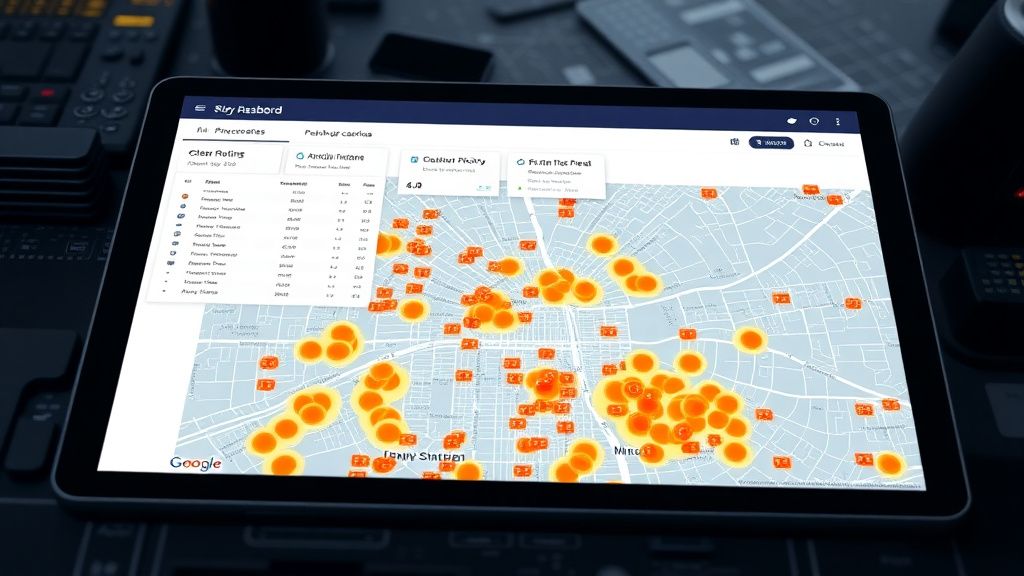
Do not attempt to run your operations on a spreadsheet after year one. By 2026, the baseline expectation for any professional operation is a integrated dispatch system that syncs:
- Customer Portal: For restaurants to report "missed pickups" or "extra volume."
- Inventory Tracking: Tracking how many buckets are in the field versus in the wash-station.
- Data Reporting: Providing the restaurant with monthly "Waste Diversion" reports. This is a massive selling point—restaurants use these reports for their own ESG and sustainability marketing.
If you don't provide the data, you aren't providing a "premium" service. You’re just a guy with a truck.
The "Hidden" Costs of Growth: Support Nightmares
When you move from 10 to 50 clients, your "support" workload explodes. Emails like "Why was my bin not swapped?" or "There’s a smell coming from the alleyway" become a daily chore.
- Operational Friction: The "Smell Complaint" is your biggest threat. Even if it isn't your fault, if the restaurant manager says it is, the property owner will demand you remove your bins. You need an ironclad SOP for odor control—bio-filters, regular bin washing with eco-friendly sanitizers, and rigorous pickup scheduling during off-peak hours.
Strategic Roadmap for 2026 and Beyond
- Year 1-2: Master the route. Focus on 10-15 high-quality restaurants. Keep the operation lean.
- Year 3: Invest in specialized washing infrastructure. If you are washing buckets by hand in a parking lot, you aren't ready to scale.
- Year 4: Partner with local landscaping or community garden projects to create a distribution network for the finished product.
- Year 5: Influence policy. Use your data to lobby for better municipal organic waste infrastructure.
The reality of 2026 is that boutique composting is not a "hobby." It is a vital, high-stress infrastructure play. The cities that thrive will be the ones where these small-scale, decentralized systems function effectively alongside, or instead of, bloated, ineffective municipal waste streams.