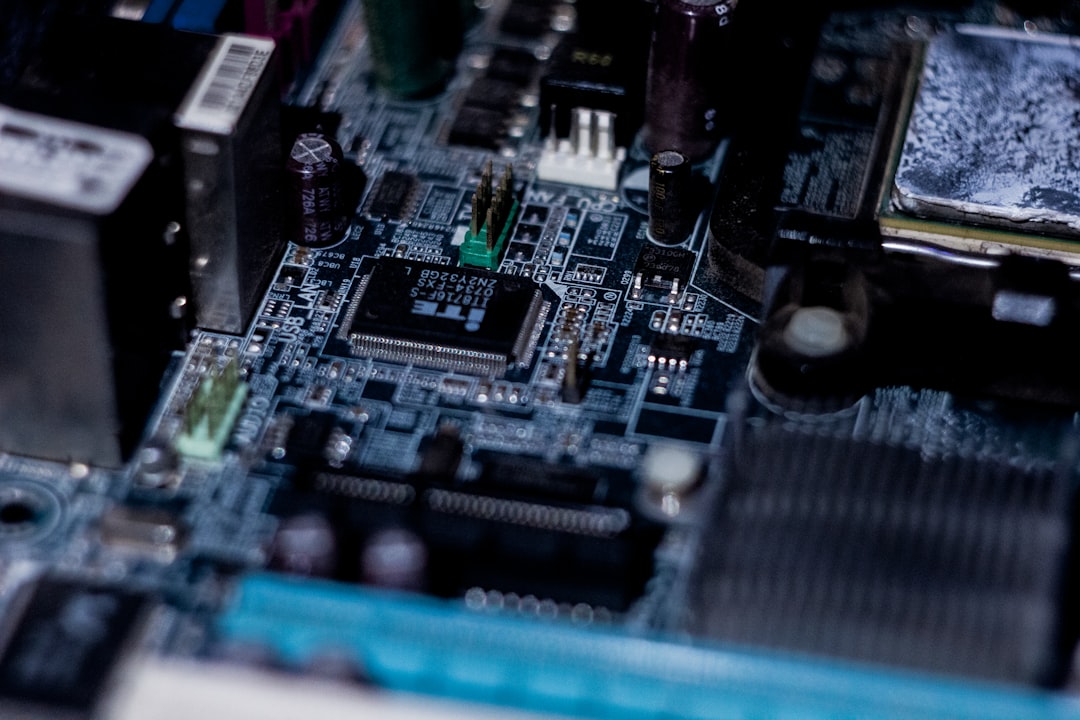
The economics of e-waste reclamation—specifically targeting the high-grade, gold- and palladium-rich boards found in decommissioned server farms—is often sold as a "gold mine" fantasy. In reality, it is a brutal game of logistics, chemical engineering, and regulatory attrition. Unlike general consumer electronics recycling, which is a volume-based race to the bottom, server farm reclamation is a specialized pursuit of high-density assets, mirroring how hardwood floor pros are swapping toxic finishes for premium low-VOC systems to prioritize specialized quality over bulk commodity work.
For those looking to enter this sector, success is rarely found in the backyard "acid bath" methods popularized by viral YouTube videos. It is found in the margins of supply chain management, the precision of metal assays, and the ability to navigate the EPA’s—or equivalent local regulatory body’s—stringent hazardous waste protocols.
The Physics of the Profit Margin
When you acquire a server rack from a data center decommissioning project, you are not buying "trash." You are buying a tiered asset list. The value distribution is highly skewed: 80% of the reclaimable value is concentrated in 20% of the components. Specifically:
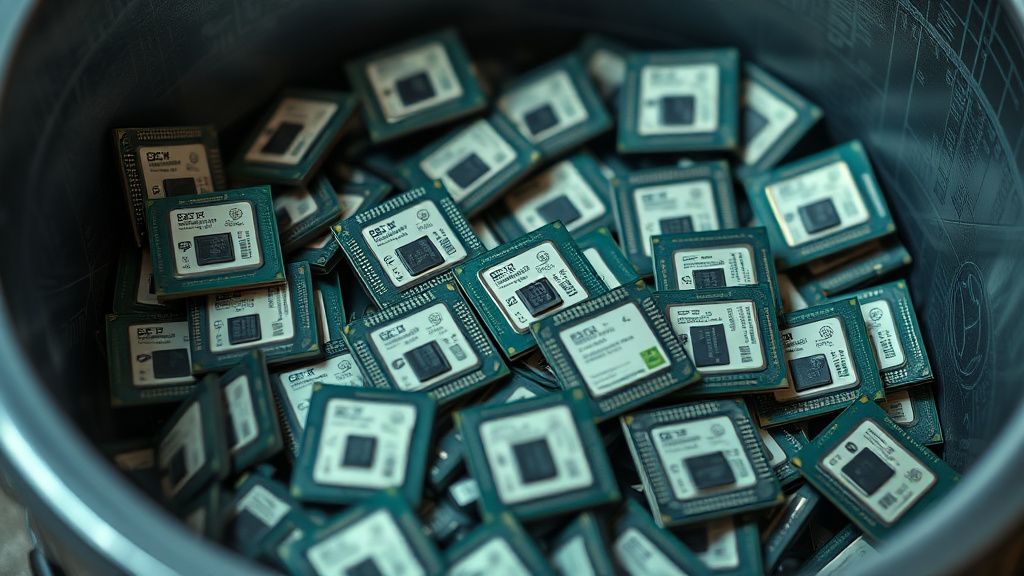
- CPUs and Processors: These are the "king" components. Older Xeon, Opteron, and even early Core-based chips contain significant amounts of gold in the pins and bonding wires.
- RAM Sticks (Gold-plated contacts): High-density memory modules, especially server-grade ECC RAM, are consistent earners.
- Backplanes and Motherboards: These are the "heavy lifting" components. They contain high concentrations of copper, but the gold recovery requires stripping, chemical digestion, and electrowinning.
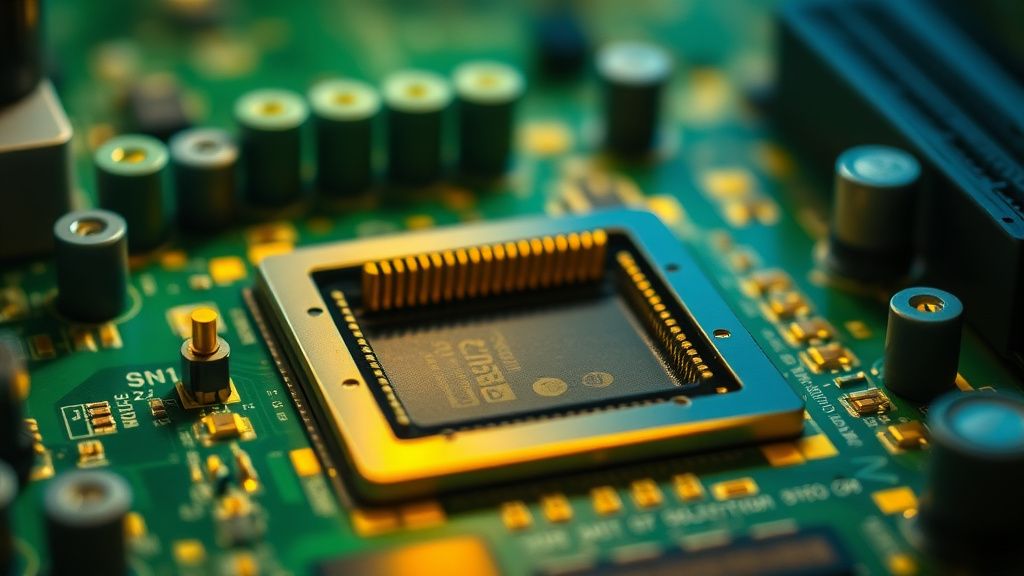
The fundamental tension in this business is the Time-to-Extraction. If you are buying server inventory at auction, your profit is calculated by subtracting the procurement cost, labor costs (disassembly), chemical/energy overhead, and compliance/disposal costs from the spot price of the refined metals. Most startups fail because they underestimate the labor of manual disassembly, a common operational trap similar to why 'quiet quitting' is evolving into a remote work crisis for unprepared leadership.
The Operational Reality: Manual vs. Automated Disassembly
The common pitfall for new market entrants is the "heroic manual worker" model. You hire a crew to unscrew, pry, and sort. This works for the first few batches. Then, you encounter the Scaling Wall. As volume increases, the cost of manual labor—especially in Western jurisdictions with fair labor laws—cannibalizes your net profit margins, forcing savvy operators to explore ways to negotiate better remote sales commissions in 2026 to retain top-tier talent without sacrificing overhead.
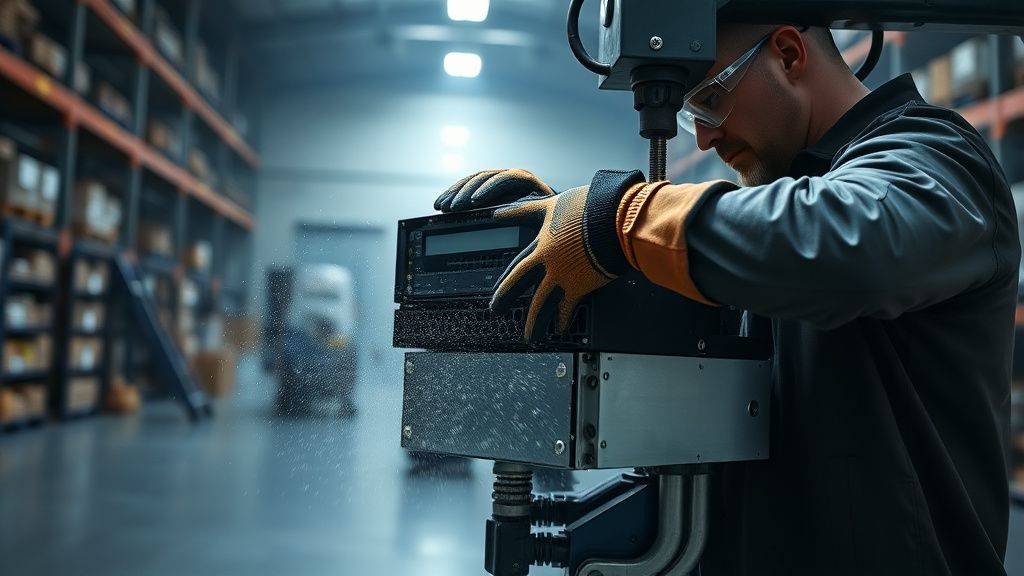
The Workaround Culture: Successful outfits are increasingly turning toward "brute force disassembly," using custom-built hydraulic guillotines to snap boards off chassis or using pneumatic impact tools to harvest CPUs in seconds rather than minutes. However, this creates an engineering trade-off: aggressive mechanical extraction often damages the PCB traces or contaminates the stream with aluminum and steel fragments, which complicates downstream smelting.
The "Sovereign" Problem: Refining vs. Aggregation
One of the biggest misconceptions in the e-waste industry is the idea that you should "do everything yourself," a fallacy debunked by leaders who know how to build a sustainable B2B AI prompt engineering agency by focusing on core competencies rather than peripheral infrastructure. If you attempt to build an on-site refinery, you are essentially becoming a chemical plant. This triggers:
- Environmental Liability: The handling of aqua regia, nitric acid, and cyanide-based stripping agents requires EPA or EU-equivalent permitting that costs hundreds of thousands of dollars to secure.
- Safety Culture: The risk of localized toxic release or worker exposure is not just a regulatory hazard; it is a reputational one that can shut down operations overnight.
The Winning Strategy: Most high-level operators act as Aggregators and Pre-Processors. They focus on clean, high-yield separation—creating "high-grade" lots that are then sold to certified smelters like Umicore or Boliden. The money is in the assay. If you can prove your batch contains 400g of gold per ton through accurate sampling, you sell it at 90-95% of the spot price. If you send in "dirty" batches, you get "floor price" with a massive haircut for "refining charges."
Real Field Reports: The "Ghost" Inventory
I spoke with a contractor who spent two years managing the decommissioning of a mid-sized tier-2 data center in the Midwest. The project was meant to be a goldmine. Instead, they hit a common hurdle: Proprietary Hardware.
Some enterprise server manufacturers (like certain generations of bespoke blade systems) use non-standard alloys in their contacts. A batch that "looked like" high-grade gold was actually tin-lead plating with a very thin gold flash. His assay came back at 1/10th of the projected value. He ended up losing money on the freight costs alone.
- Lesson: Never bid on "mystery lots." If you cannot inspect the specific model numbers of the server CPUs and the manufacturing date of the motherboards, you are gambling, not investing.
Counter-Criticism: Is "Circular Economy" just PR?
There is a loud, growing debate in the industry about the ethics of e-waste. Critics argue that even the most "responsible" reclamation businesses are effectively shipping hazardous waste to developing nations if they don't have total vertical integration.
On platforms like Hacker News and in various Discord communities for hardware recyclers, you will see a constant back-and-forth between those who argue for "local smelting" and those who defend the "global trade" of scrap. The reality is that the market for precious metals is global. If you want to remain profitable, you must play by the global market’s rules. The "greenwashing" of e-waste is a reality; companies often brand their services as "carbon neutral" while failing to account for the carbon cost of shipping massive racks of scrap across the ocean to a smelter.
Regulatory Friction and the "Right to Repair" Overlap
The regulatory environment is shifting. With the rise of "Right to Repair," there is a potential for a secondary market for server parts. If you are stripping a motherboard for gold, you might be destroying a component that could have been sold on eBay for 5x its scrap value.
- The Pivot: A profitable modern reclamation business often functions as a "Hybrid Recovery Facility."
- Stage 1: Test for functionality. Can this CPU or RAM be resold on the secondary server market? (High margin, low effort).
- Stage 2: Component salvage. If the board is dead, pull the capacitors, connectors, and heat sinks.
- Stage 3: The remainder goes to the smelter.
Treating every scrap of metal as "smelt-able" is an amateur move. The true professionals are those who are also skilled at e-commerce liquidation.
Failure Points in Scaling
Why do most of these businesses fail within 18 months?
- Capital Lockup: You buy $50,000 worth of servers. You have to wait for them to be transported, disassembled, processed, and then wait for the smelter’s assay report (which can take 6-12 weeks). That’s a 3-month cycle where your cash is tied up. If a mid-cycle crash in precious metal prices occurs, your margins evaporate.
- The Hidden "Hazardous" Cost: Old server power supplies are often packed with heavy metals and sometimes, in very old units, hazardous flame retardants that require specialized disposal. If you don't account for the cost of certified hazardous waste disposal (which is expensive), it will eat your profit margins.
The Future: AI-Driven Sorting
We are currently seeing the emergence of AI-powered sorters—systems that use computer vision to identify motherboards by make, model, and age, predicting the gold content with 95% accuracy before the board is even touched. This is shifting the power balance. Large firms are now buying software stacks to optimize their scrap lots. If you want to survive as a small to medium-sized operator, you need to rely on data-backed purchasing. Do not rely on "gut feel." Use public hardware databases to check for gold density specifications.
How do I know the gold content of a specific server board?
You cannot know it perfectly without a destructive assay. However, you can estimate it by looking at the board's vintage. Older enterprise-grade boards (early-to-mid 2000s) have significantly higher gold loadings than modern, miniaturized, integrated boards. Use online "scrapper forums" and databases like Boardsort to check community-reported yields for specific board models.
Is it legal to smelt e-waste in my backyard?
Absolutely not. In almost every developed country, the chemical processes (especially using strong acids) to leach gold require air quality permits, water treatment capabilities, and hazardous waste licenses. Attempting this at home creates toxic fumes and heavy metal runoff that can lead to criminal charges. Always sell your high-grade scrap to licensed, industrial-scale smelters.
What is the biggest mistake beginners make in the server reclamation business?
The biggest mistake is focusing on the weight of the scrap rather than the density of the precious metals. Buying a ton of steel server chassis is a waste of money and logistics; the profit is in the "high-grade" boards and CPUs. Beginners often fill their transport budget with low-value ferrous metal, leaving no room for the high-value components that actually pay the bills.
Does the market for gold reclamation fluctuate with the stock market?
Yes, it fluctuates with the London Bullion Market Association (LBMA) spot prices for gold, palladium, and copper. Your profitability is tied to these commodity indices. Successful operators often use simple hedging strategies or ensure that their turnaround time from acquisition to sale is as short as possible to avoid exposure to price volatility.
Why do some recyclers prefer not to work with server farms?
It’s a matter of logistics. Server farms often have massive, bolted-down infrastructure, proprietary security protocols for entering the data hall, and strict "data destruction" mandates (meaning you must prove that the hard drives have been wiped or shredded). The administrative burden of meeting these compliance standards often scares away smaller players.
Conclusion: The "Slow" Path to Profit
The reclamation of precious metals from server farms is not a "get rich quick" venture. It is a logistics and resource management business that happens to deal in precious metals. If you treat it as a manufacturing process—optimizing for speed, minimizing chemical risk, and ruthlessly filtering for high-value components—it is a sustainable, albeit highly regulated, business. If you treat it as a "gold digger's" hobby, the hidden costs of compliance and the volatility of metal markets will inevitably sink the enterprise. Success belongs to those who understand the secondary market value of hardware better than they understand the chemical process of melting it.