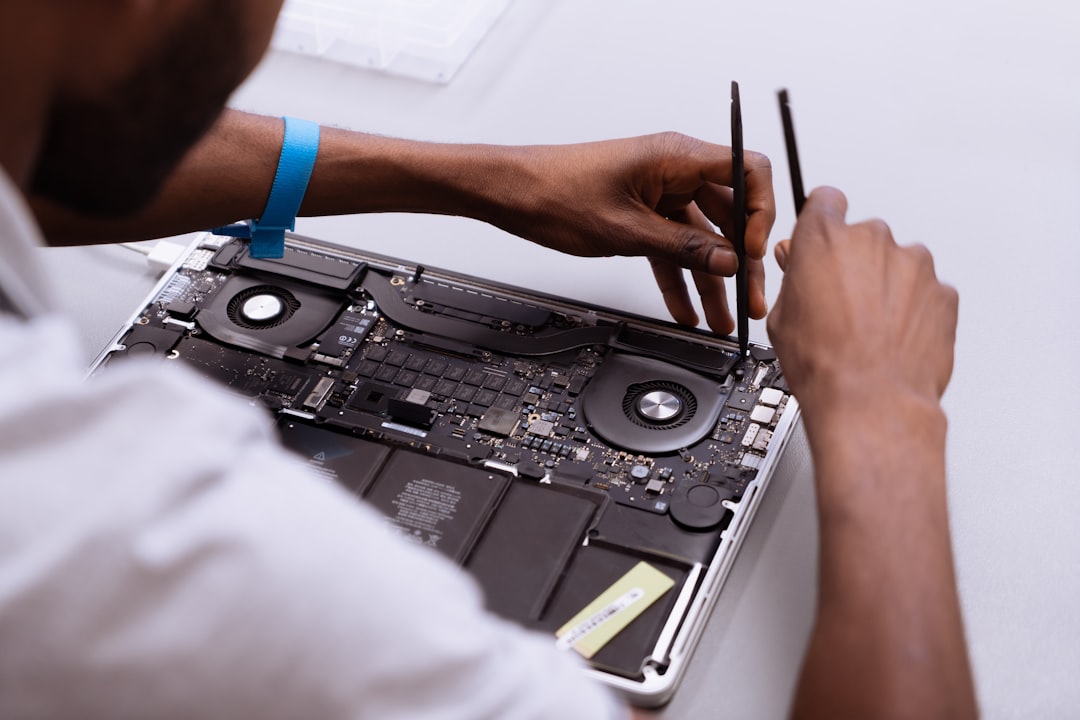
The transition from consumer-grade electronics repair to specialized ultrabook screen refurbishment is less about "fixing gadgets" and more about managing a supply chain of high-value, fragile components. By 2026, the industry has shifted away from simple plug-and-play modules toward a complex ecosystem of laser-bonded assemblies and proprietary authentication chips—much like the rapid evolution seen in wearable tech, where industry analysts have noted Why Kinetic Charging Won't Replace Your Smartwatch Battery by 2026. Success here depends on mastering the high-margin "niche of the niche"—specifically high-end OLED panels and integrated touch-digitizer assemblies that OEMs routinely quote as "uneconomical to repair," creating a lucrative arbitrage opportunity for the independent technician.
The Anatomy of the 2026 Ultrabook Market
To understand why this side business remains high-margin, you have to look at how manufacturers like Apple, Lenovo (ThinkPad X1 series), and Dell (XPS line) design their flagships. The trend since 2024 has been "integrated structural integrity." The display assembly isn’t just a screen; it’s a structural component of the chassis.
When a user cracks a screen, the manufacturer’s authorized service provider (ASP) won’t just swap a panel; they replace the entire display module including the lid, hinges, and webcam assembly. The parts bill for an end-user often exceeds $600-$800. As a specialist, your value proposition is simple: you are not replacing the lid; you are performing microsurgery on the panel itself.
Operational Reality: The Sourcing Paradox
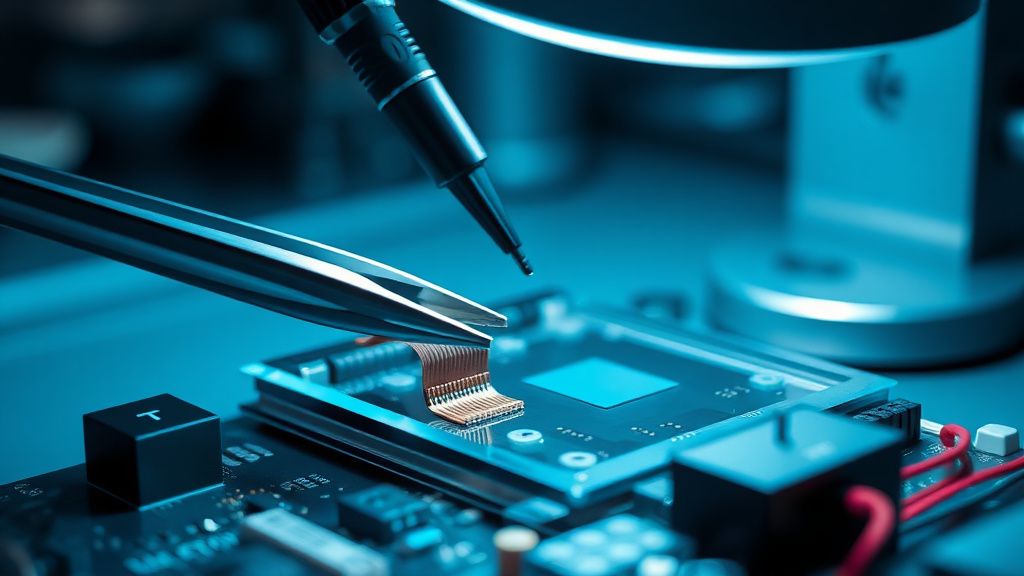
The primary obstacle for any independent repair shop is not the lack of demand; it is the "Parts Gatekeeping" culture, a trend echoing the broader supply chain volatility currently affecting global energy security, as detailed in Why the Uranium Supply Chain Crisis is Reshaping Global Energy Security. In 2026, we see a heavy reliance on three sources:
- Salvage/Cannibalization: Buying functional units with logic board failures. This is the most reliable source for genuine OEM panels but carries significant risk regarding the "hidden wear" of the panel's backlight.
- The "Grey Market" Supply Chain: Direct relationships with Tier-2 factories in Shenzhen that supply the original OEMs. These are often "A-minus" stock—panels with minor backlight bleed or dead subpixels that didn't pass the rigorous internal QC of a company like Apple.
- Third-Party Aftermarket (TPA): The quality here has improved, but color accuracy remains the bottleneck. For professional-grade work, TPA parts are often unacceptable.
The Pro-Tip: Don’t source from general marketplaces like AliExpress for high-margin jobs. Build a relationship with a specific parts broker on specialized forums like Badcaps or Rossmann Repair Group (or their modern, more private equivalents). You are paying a premium for a vetted panel, but that premium is easily absorbed by the client who wants to avoid a $900 service charge.
The Human Element: Managing Customer Expectations
Repair is an emotional transaction. When a user hands over a $2,000 ultrabook, they are handing over their career, their photos, and their anxiety. Your role isn't just a technician; it's a consultant, a transition requiring the same strategic foresight needed for businesses scaling via How to Build an Autonomous Content Factory: The 2026 AI Affiliate Strategy.
Most DIY enthusiasts fail here. They focus on the technical success (the screen turns on) and ignore the aesthetic success (there are no fingerprints, no dust under the glass, and the bezel alignment is factory-perfect). In the high-margin space, the "repair" is invisible. If the user can tell it was opened, you haven't charged enough for the quality of the finish.

Real Field Report: The "OLED Ghosting" Crisis of '25
A notable case study from last year involved a wave of "Ghosting" issues in the XPS 15 line. Shops that were purely swapping screens faced massive blowback. They bought the screens, installed them, and the customers returned within three weeks because the panels were "shimmering."
The technical reality? The replacement panels sourced were older batches of OLEDs that were sensitive to the specific PWM (Pulse Width Modulation) frequencies of the updated 2026 power delivery circuits. Those who survived this crisis were the shops that maintained a rigorous "burn-in and stress test" protocol. They stopped treating repair as a "swap and ship" business and started treating it as a "testing laboratory."
Counter-Criticism: Critics of the specialized repair model argue that with the advent of "Self-Repair" programs from major OEMs, the independent shop is obsolete. However, data from tech-focused community threads suggests otherwise. Self-repair kits are often priced prohibitively high, and the documentation provided is intentionally obtuse. The "Independent Specialist" remains the only viable route for users who need their machines back in 24 hours, not 10 days.
Scaling and the "Workaround" Culture
You cannot scale high-margin screen repair by working faster; you scale by minimizing rework. If you have to open an ultrabook twice, your margin on that job is effectively zero.
- Standardize the Adhesive: Stop using generic double-sided tape. The industry standard is Tesa 61395 or specialized pre-cut acrylic foam tapes that match the exact thickness of the factory adhesive. If you don't account for the 0.05mm variance in tape thickness, the screen will either protrude or suffer from touch-sensitivity issues.
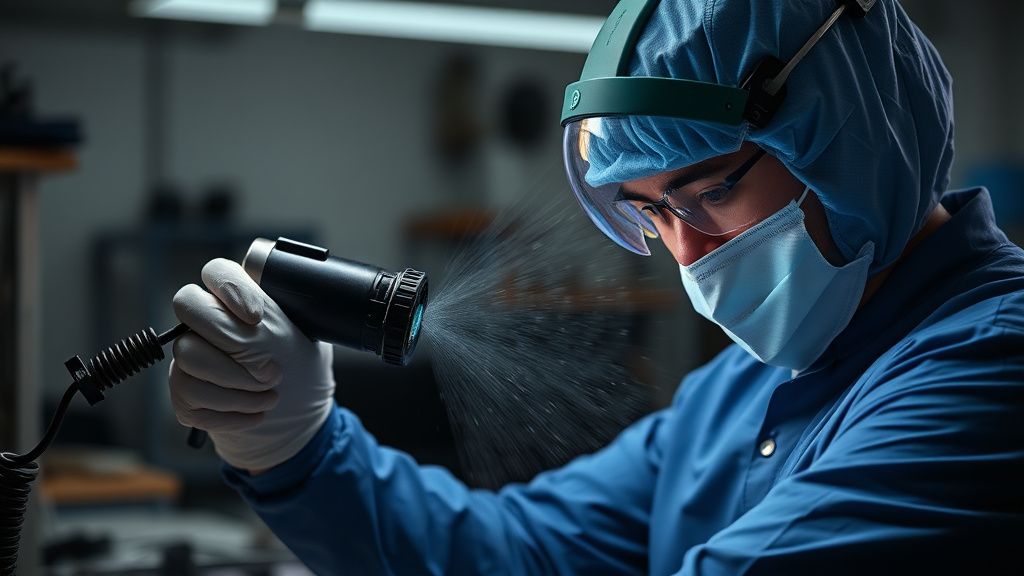
- The Dust Mitigation Suite: Investing in a laminar flow hood—or even a very clean, low-airflow "clean area"—is the difference between a amateur and a pro. Dust between the digitizer and the glass is the #1 reason for customer rejection.
The Economic Model: Pricing for Margin, Not Time
Many beginners make the mistake of charging based on an hourly rate. Don't. Charge based on the "Value of Ownership."
If an authorized repair costs $700 and takes two weeks, and you can provide the same physical result in 24 hours for $400, you are providing a $300 savings plus the convenience of time. That is your margin. Never try to be the cheapest guy in town. The guy who charges $150 to "swap a screen" is usually the guy who will eventually snap a flex cable and be forced to buy the customer a new laptop. You want to be the person the user trusts because you explained why the panel costs what it costs.
Addressing the Fragility of Modern Architecture
Modern ultrabooks are not designed to be opened. They are designed to be glued shut. When you enter this business, you are signing up for a battle against industrial design.
- The Hinge Problem: On many ultra-slim models, the hinges are anchored into the plastic display housing. If the housing is cracked, a new screen will fail in a month because the mechanical stress will crack the panel again. You must offer, and perform, "hinge reinforcement" services. This is a high-margin add-on that prevents repeat failures.
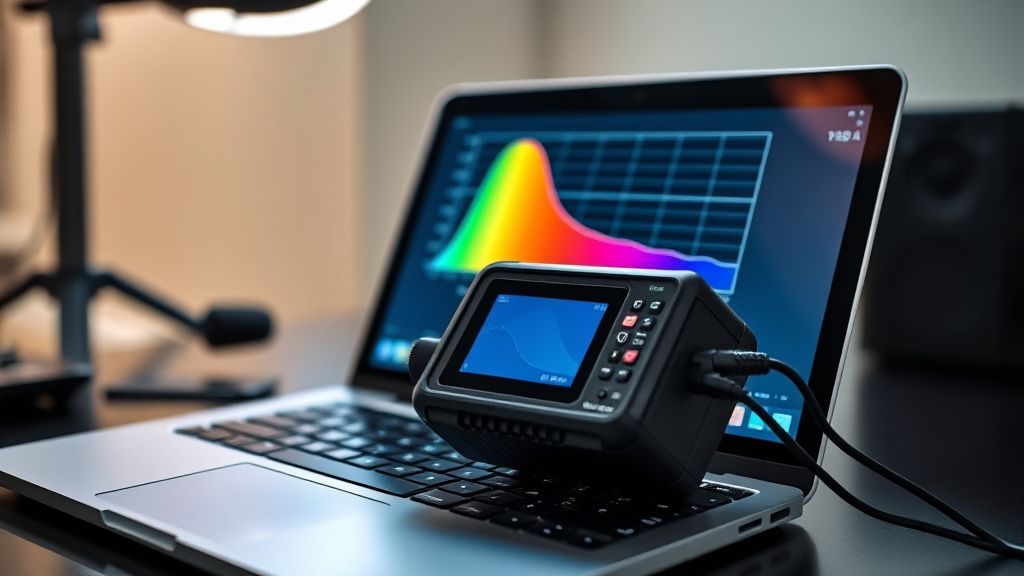
- Calibration: Most replacement panels are not color-calibrated. If you are serving creative professionals, you must own a colorimeter (like a DisplayCAL-supported device). Offering a "Post-Repair Color Calibration" as a $50 upsell is not just a profit driver; it’s a professional standard that separates you from the basement hackers.
The Failures: When Things Go Wrong
Every veteran in the industry has a story about a $1,500 panel that cracked during installation because of an unseen piece of debris or an uneven chassis pressure point. These are the costs of doing business.
- The "Liability Waiver" trap: Having a contract isn't enough. You need to perform a "Pre-Repair Functional Audit." Record a video of the machine booting, the ports working, the Wi-Fi connected, and the keyboard illuminated before you put a screwdriver near it. If you don't, you will eventually be blamed for a pre-existing logic board failure that the customer "forgot" about.
- Community Backlash: When you make a mistake—and you will—own it immediately. The repair community on platforms like Discord and Reddit is small. Reputation is your currency. If you brick a client's machine, pay for the replacement board out of your margin. It hurts, but it saves your business.
How do I handle customers who complain that the replacement part isn't "100% original"?
Address this in the intake form. Use clear language: "We source high-grade components that meet or exceed OEM specifications." If they demand OEM, tell them the price: include the cost of a donor unit in your quote. Most customers care more about visual clarity than a serial number on a sticker they will never see.
Is the market for screen repair dying because of better glass technology?
Quite the opposite. Better glass (like Ceramic Shield or advanced Gorilla Glass variants) is harder to break, but when it does break, it requires much more sophisticated tools and expertise to remove without damaging the underlying digitizer. As repair gets harder, the barrier to entry rises, keeping your margins protected from low-skill competitors.
What is the most important tool I should invest in first?
Forget the expensive laser stations at first. Invest in a high-quality, variable-heat pre-heating pad. Most screen breakage happens because the adhesive is cold and brittle. A pre-heater makes the bezel removal process nearly risk-free, which is where 80% of accidental damage occurs.
How do I deal with proprietary serial number pairing?
Some newer ultrabooks (post-2025) use EEPROM data-pairing to prevent screen swaps. You will need a hardware programmer to "flash" the old panel's serial number onto the new one's controller board. If you aren't prepared to do this, stick to models from 2022-2024 where this practice is less prevalent, or specialize in the few models that lack this software lock.
Why do some shops charge $200 and others $600 for the same model?
The $200 shop is using the cheapest, lowest-tier screen they can find, likely with poor brightness and color shift. The $600 shop is likely factoring in a premium panel, a calibrated installation, a warranty on the labor, and the overhead of a brick-and-mortar reputation. Never compete on price against the cheap shops; you will lose the race to the bottom.
Final Observations: The 2026 Landscape
The "side business" of 2026 is becoming a "boutique service." As OEMs push users toward new purchases, the consumer-to-business relationship is evolving. Users are becoming increasingly cynical about "planned obsolescence." When you position your repair service not just as a fix, but as an act of defiance against this obsolescence, you gain a loyal customer base.
The technical skills are learnable. The operational discipline—sourcing, dust control, expectation management, and liability mitigation—is where the real business is built. Start small, document every single screw, and never, ever rush a seal. In this business, the difference between a side-hustle and a career is the ability to walk away from a job that is too risky to touch. Know your limits, document your work, and focus on the quality of the glass.