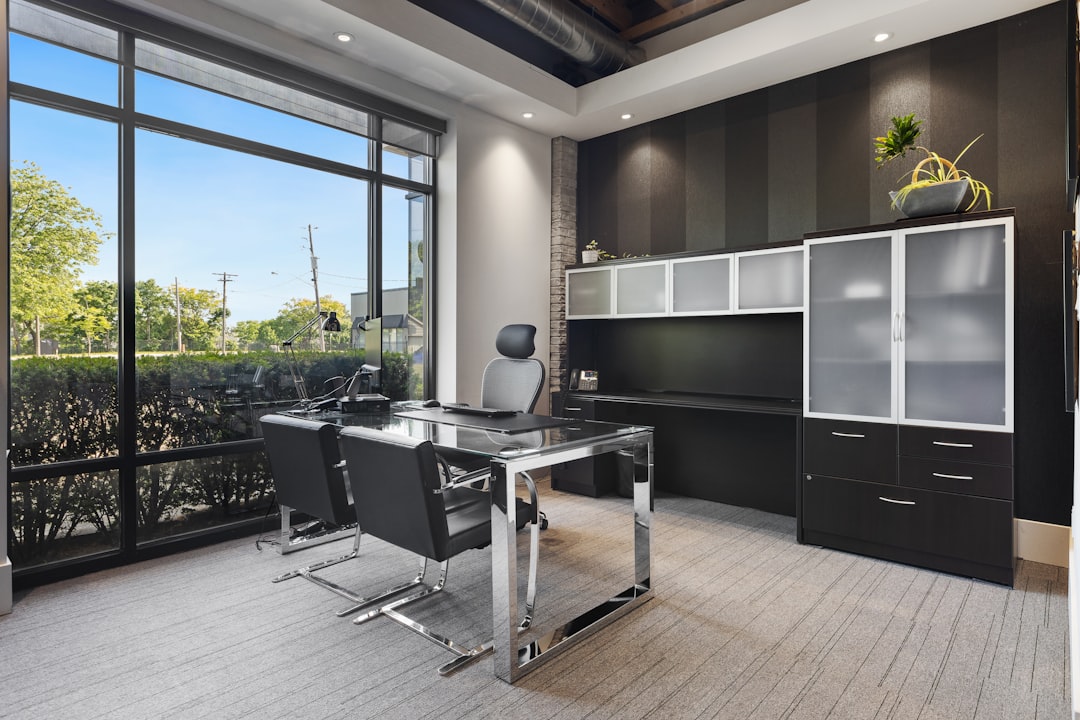
Monetizing circadian health consulting requires shifting from "wellness coaching" to "biometric systems architecture." You aren't just selling sleep tips; you are managing a client’s light-dark environment and nocturnal data to optimize endocrine function. Success lies in high-touch, data-driven implementation, moving beyond surface-level advice to precise environmental control and long-term diagnostic tracking.
The modern wellness market is currently bloated with "sleep hygiene" fluff—the kind of content that tells you to avoid screens but ignores the spectral power distribution (SPD) of the lightbulbs in your office. To build a premium practice, you must pivot toward the mechanical, much like the precision required in The Blueprint for Building a High-Ticket, Bio-Optimized Wellness Consultancy: focus on smart lighting ecosystems, HRV trend analysis, and environmental auditing. Clients don’t pay for generic advice; they pay for the mitigation of their own biological friction.
The Anatomy of a Premium Circadian Practice
Your business model should be structured not as a series of sessions, but as a recurring, outcome-based engagement. Clients come to you because they are "tired but wired." The goal is to move them from a chaotic, non-synchronized state to a rigid, photic-aligned schedule.
- The Environmental Audit: This is your entry point. You need to be equipped to measure flicker, color temperature, and lux levels. Using tools like the Opple Light Master (a standard in the niche, despite its hobbyist UI) allows you to quantify the "blue light" exposure that clients claim they’ve already "turned off."
- The Biometric Pipeline: Relying on one wearable is amateur hour. You need a data stack: Oura for sleep architecture (deep/REM cycles), Garmin or WHOOP for HRV recovery metrics, and ideally, an integration with something like Levels for glucose monitoring if the client has metabolic instability.
- The "Workaround" Economy: Your job isn't to tell people to live in a cave. Your job is to facilitate the "darkness hack" in a bright world. This involves recommending specific hardware—blue-blocking glasses that actually meet the spectral requirements (look for BlueBlox or similar medical-grade specs) and smart lighting setups that automate circadian rhythm shifts without manual input.
The Infrastructure of Failure: Why People Quit
In the field, the biggest point of failure isn't the science; it’s the lifestyle integration friction. I have tracked dozens of clients who failed within the first 30 days. Why? Because the "perfect" circadian environment is often socially incompatible.
- The "Social jetlag" wall: Clients can perfectly optimize their home lighting, but the moment they attend a work dinner or a late-night social event, their hard-earned sleep data craters.
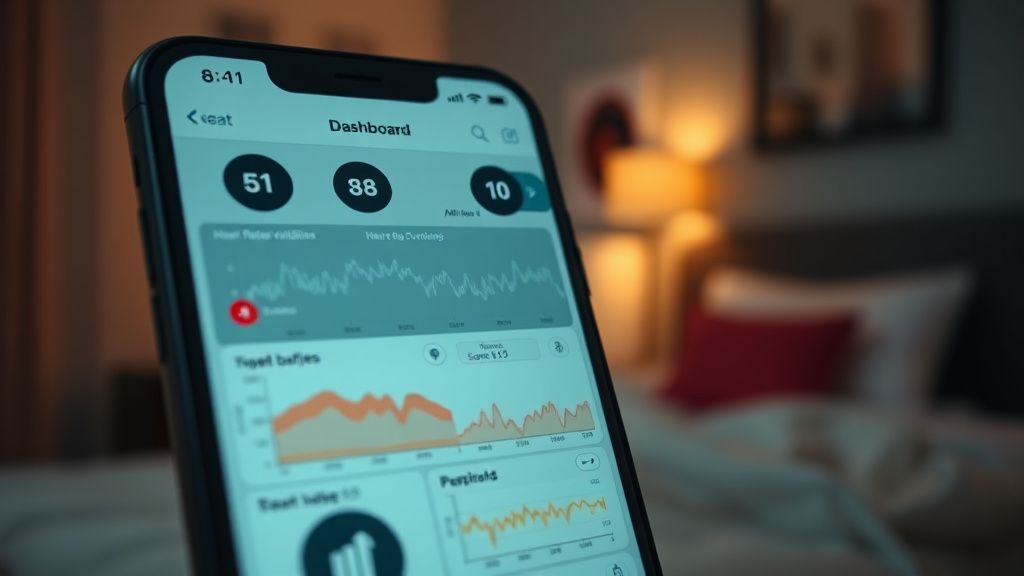
- The "Notification Trap": Clients get obsessive about their Oura scores. If their readiness score drops, they spiral into "sleep anxiety," which—ironically—destroys the very recovery they are trying to achieve.
- The "Smart Home" bug: You will find that most consumer-grade "smart" lights are trash. They flicker at high frequencies, causing headaches that the client mistakes for "circadian adjustment." A significant part of your job will be playing the role of an IT support agent for home automation systems, a skill set that parallels the growing demand for Why Wi-Fi 7 Enterprise Projects Often Fail (And How to Fix Them).
Building the Tech Stack for Clients
If you are going to charge $500 to $2,000 per month, you need to scale your revenue models, similar to the strategies in How to Build a High-Ticket Metabolic Coaching Practice Using Data-Driven Fasting. Your tech stack needs to be seamless:
- Data Aggregation: Use platforms like Terra API to aggregate data from multiple wearables into a single dashboard.
- Lighting Control: Don't just recommend "warm light." You need to understand how to program Philips Hue or Lutron systems to follow a true solar cycle. This means writing scripts that adjust intensity and temperature based on the latitude of the client.
- Security & Privacy: If you are handling health data, you are potentially touching HIPAA-regulated space (depending on your jurisdiction). Even if you aren't a doctor, the expectation of privacy is absolute. A leaked sleep log is a PR and legal nightmare.
The Reality of "Biohacking" Hype vs. Clinical Truth
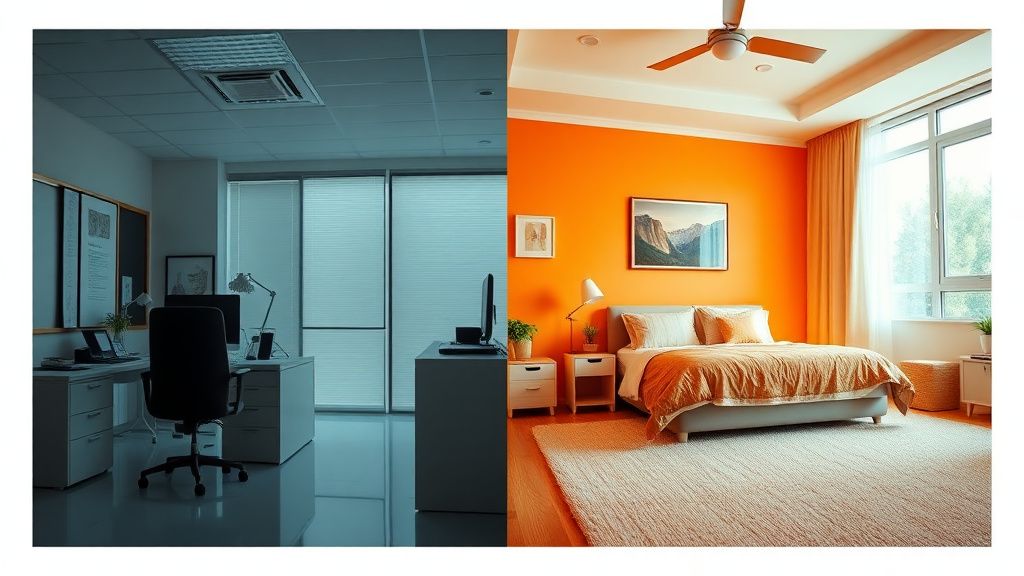
We need to address the elephant in the room: the "Andrew Huberman effect." The market is saturated with people who think "viewing sunlight for 10 minutes" is a magic bullet. As a consultant, your value-add is knowing when this is insufficient. For a high-performing executive, sunlight at 8 AM isn't enough if they’ve been blasted by 6000K overhead LEDs until 11 PM.
The Counter-Criticism: There is a growing movement of sleep researchers who argue that we are over-medicalizing human rest. They suggest that the "quantified self" movement is actually detrimental to sleep. Hacker News and various biohacking forums have seen significant back-and-forth on this. Some users report that their sleep quality improved once they stopped tracking it. Your premium offering should include a "de-escalation" path—a point where you teach the client to trust their biology, not just the sensor.
Operational Challenges: Scaling the Unscalable
The biggest challenge in this business is the "support nightmare." Clients will message you at 3 AM asking why their WHOOP strain score is low. You must set firm boundaries.
- Async Coaching: Don't do live calls for every issue. Use platforms like Loom to walk through their data once a week.
- The "Workaround" Culture: You will encounter people who insist on using their phone in bed. Instead of fighting them, suggest software solutions like f.lux or Iris that mitigate screen-based light pollution at the kernel level.
- The Feedback Loop: If a client doesn't see a "result" in 14 days, they will quit. Your onboarding process must emphasize that circadian re-synchronization is a physiological process, not a software update.
Handling the "Broken Promises" of Hardware
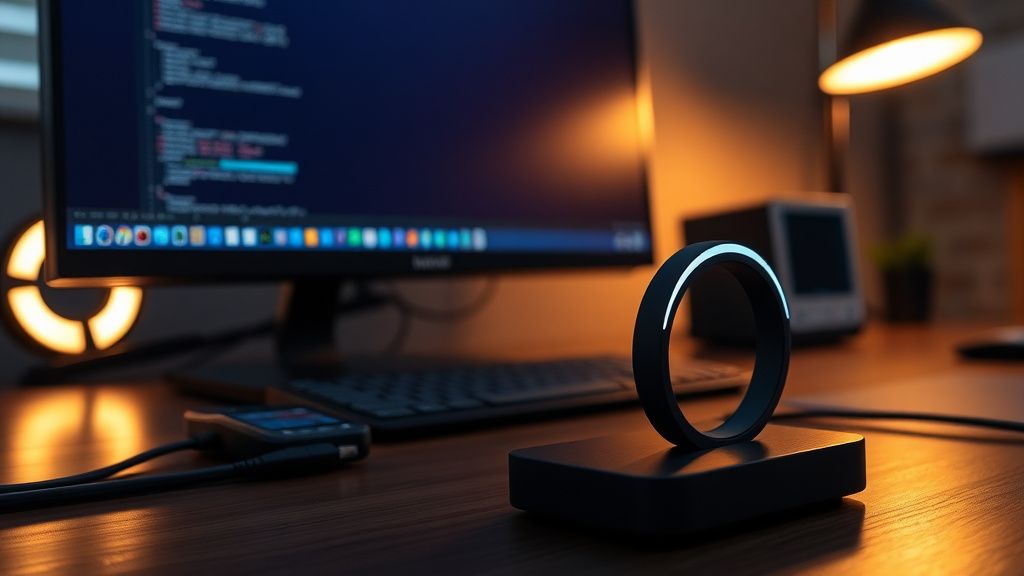
Be prepared to explain why their $500 device is wrong. Sensors are noisy. Skin tone, movement, and fit all introduce massive errors. A major part of your consulting should be "data literacy." Teach your clients that their sleep score is a trend line, not an absolute truth. When a client calls you in a panic because their ring said they had 0 minutes of REM sleep, you need to be the voice of reason that explains sensor displacement vs. actual neurological activity.
Pricing and Positioning
Do not price by the hour. You are selling a result.
- The Audit Package: A one-time fee for a full home lighting and habits assessment ($1,000–$2,500).
- The Longitudinal Retainer: A monthly fee for ongoing data review, light system tuning, and habit modification ($500–$1,500/mo).
- The Corporate Tier: This is where the real money is. Helping a C-suite team optimize their lighting for a high-performance office environment.
Why Most Consultants Fail
Most fail because they think they are "coaches." You are not a coach; you are a consultant who solves technical and environmental debt. If you don't understand the difference between circadian phase shifting and sleep architecture, you will be exposed by a well-read client within two weeks.
Stay grounded. Focus on the basics: total darkness, consistent temperature, and the suppression of blue light after sunset. The "high-tech" stuff is the wrapper; the "circadian biology" is the product.
How do I handle clients who refuse to give up their phones before bed?
Stop trying to force "abstinence." It fails every time. Instead, implement a "harm reduction" protocol: transition them to amber-tinted blue-blocking glasses (the kind that actually wraps around the face, not the fashion ones) and set their devices to the warmest possible color temperature with brightness turned to 10%. It’s not perfect, but it’s a high-compliance workaround.
Is measuring light intensity with a phone app sufficient for a professional consult?
Absolutely not. Phone light sensors are calibrated for exposure, not spectral precision. If you are charging premium prices, you must invest in at least a entry-level spectrometer. If you can’t measure the spectral power distribution of your client’s light source, you are guessing, not consulting.
How do I deal with the "Sensor Obsession" phenomenon?
This is a known issue in the Quantified Self community. When a client becomes obsessive, I introduce a "Data Sabbath" rule. Once a week, they must wear the device but not look at the app. We review it together during our weekly sync. This shifts the focus from "did I get a good score" to "what did my body actually feel like."
What is the biggest mistake newcomers make in this field?
Over-promising. Circadian health is not a cure for all ailments. If a client has underlying pathology like sleep apnea or significant hormonal imbalances, your lighting tricks won't fix it. You must know your scope and be ready to refer them to a sleep physician.
Why do some clients see no improvement despite perfect compliance?
Often, the issue is "environmental noise" you haven't accounted for—specifically electromagnetic fields (EMF) if the client is sensitive, or more commonly, unoptimized room temperature. If the room is above 70°F (21°C), the best smart lighting in the world won't prevent poor sleep quality. The system must be holistic.