Scaling a hydroponic vertical farm from a hobbyist basement project to a profitable commercial enterprise is less about botany and more about industrial engineering, logistics, and supply chain management. Success is defined by unit economics, space optimization, and mitigating the "hidden" technical debt that destroys startups, a challenge similar to how AI is currently redefining the future of the global economy as explored in this analysis of AI's economic impact.
The Economic Paradox of "Residential Commercial"
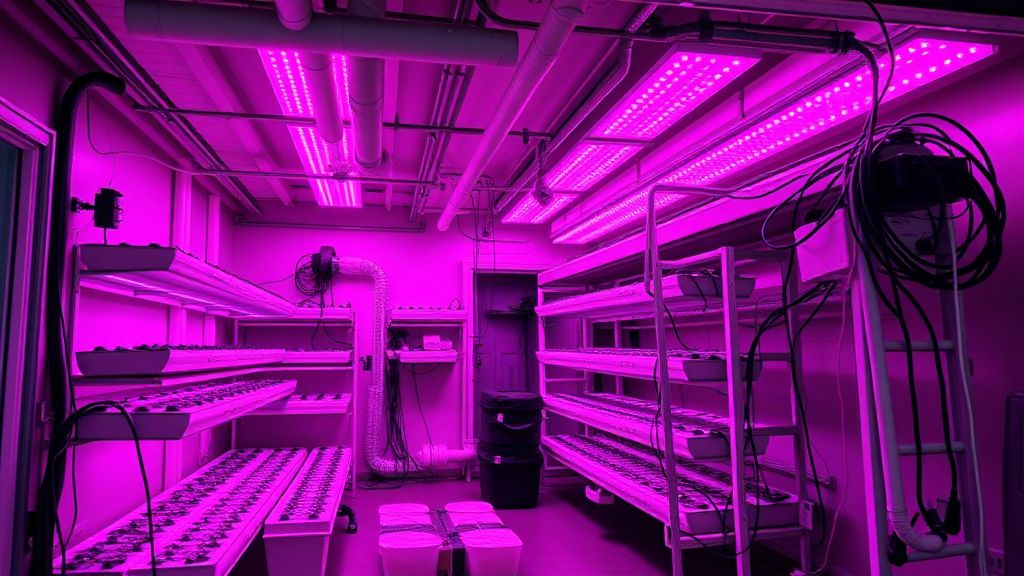
The dream is seductive: turn your empty bedroom into a high-yield basil factory, sell to local high-end bistros, and scale. The reality involves navigating a "dead zone" of production capacity, highlighting the need for efficient infrastructure that aligns with the vision of Sustainable Cities 2030. Too small, and your labor costs per gram of crop outweigh the market price. Too large, and you suddenly hit residential zoning ordinances, electrical load limits that trip your main breaker, and fire safety inspections that your landlord or city council will not ignore.
The biggest hurdle for the home-based grower is The Scaling Gap. When you move from 10 square feet to 100 square feet, the water chemistry that worked in a bucket becomes unstable—much like the complexities of managing digital systems, such as securing high-margin AI security consultancy in a volatile market. In a professional system, pH and EC (Electrical Conductivity) fluctuate rapidly due to plant transpiration and nutrient uptake. If your dosing system is manual, you are tethered to the room, unlike those who leverage strategies to automate dividend reinvestment to maintain passive control over their financial growth. Scaling requires full automation to avoid downtime, a principle just as critical as knowing how to troubleshoot a Roborock S8 Pro Ultra offline due to firmware issues to keep your smart home systems running smoothly.
The Engineering Reality: Why DIY Breaks at Scale
Most home setups rely on cheap, hobby-grade components. When you scale, these components fail.
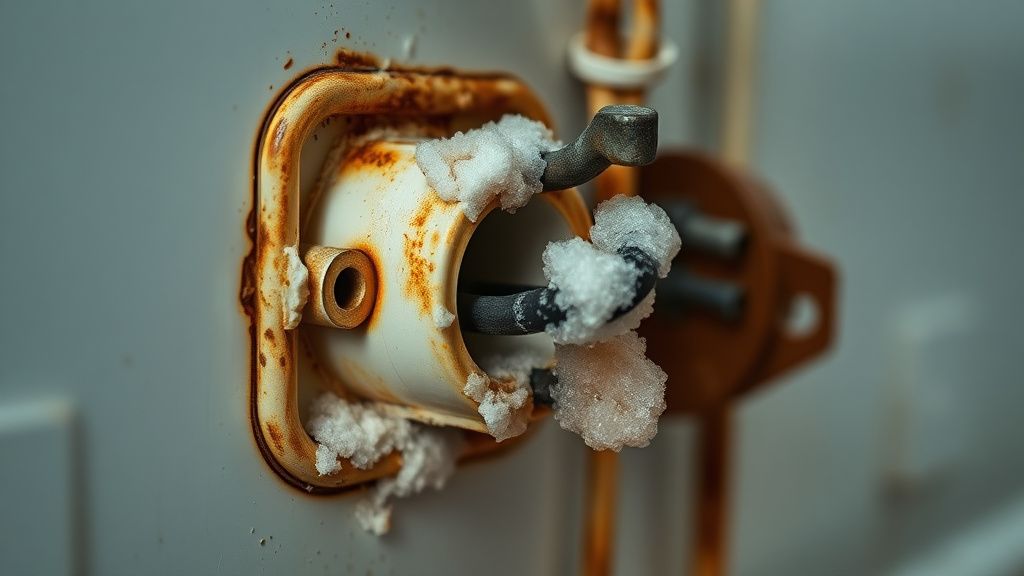
- Solenoid Valves: Cheap aquarium valves stick. In a vertical stack, a stuck valve leads to a leak that travels through four tiers of electronics.
- Pump Reliability: Hobby pumps are not rated for 24/7/365 operation at head heights exceeding four feet.
- Sensor Drift: Consumer-grade pH sensors (the $20 Amazon variety) drift significantly within two weeks. Without a proper calibration routine and higher-end industrial probes, your nutrient solution becomes toxic to the crops.
Real Field Report: The "Local Herb" Collapse of 2022
In a widely discussed case on a niche indoor farming sub-forum, a grower attempted to scale a micro-green business from a living room setup to a small commercial space. The failure wasn't market demand—it was Operational Complexity. They managed to secure a contract with three high-end restaurants. The demand was constant, but the yield was not. Because the system wasn't modular, a single outbreak of Pythium (root rot) in one reservoir contaminated the entire irrigation loop, wiping out 80% of their inventory in 48 hours.
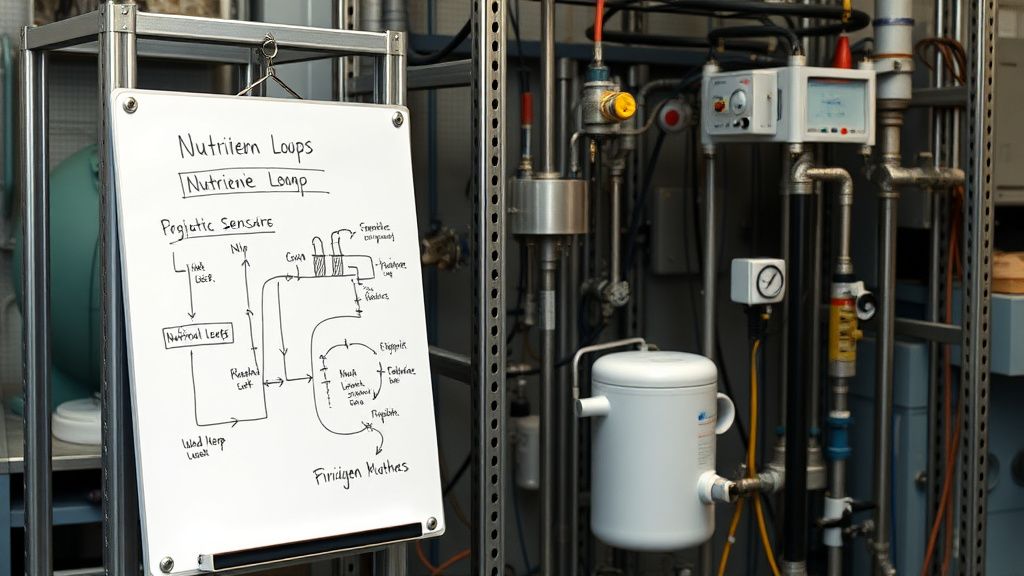
The lesson? Modularization is mandatory. If you are scaling, you must treat each rack as its own independent hydraulic loop. If one fails, the damage is localized.
The Hidden Costs: Lighting, HVAC, and Electricity
The "home" part of home-based farming is where the most significant friction occurs, similar to how homeowners often struggle with fixing an Alexa pulsing red ring or managing enterprise networks, where Wi-Fi 7 projects often fail without proper remediation.
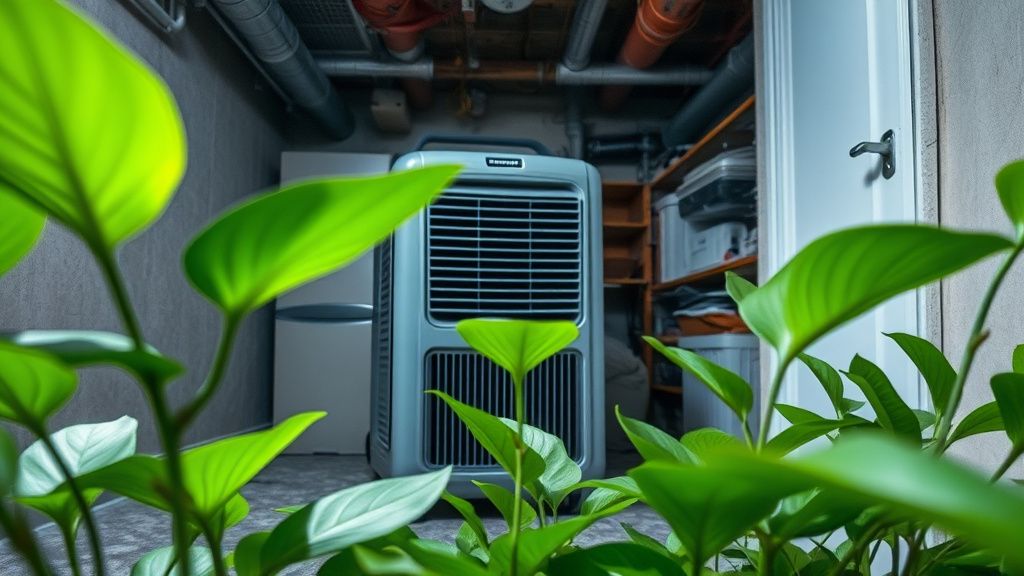
- The Heat Load: If you run 2kW of LEDs, you have 2kW of heat that must be extracted. In a residential setting, you don't have industrial-grade ventilation. You start running AC units, which spikes your electric bill to the point where your cost-per-lettuce exceeds the market price of organic produce at a grocery store.
- The "Hype" Trap: Avoid the "fancy tech" trap. Many beginners waste budget on proprietary, app-controlled LED panels with built-in cameras. What you need is high-efficiency, bare-bones white LEDs with a long warranty. Your money should be in your HVAC and dehumidification.
Counter-Criticism: The "Vertical Farming is a Scam" Debate
There is a growing sentiment in the agricultural engineering community—visible in long-form threads on Hacker News and various CEA (Controlled Environment Agriculture) forums—that vertical farming at a small scale is structurally unsustainable. Critics point to the energy intensity. They argue that unless you are growing high-value crops (e.g., medicinal herbs, specific micro-greens, or rare varieties), you are simply paying for expensive lettuce that costs more in electricity than it would to grow in a sun-drenched greenhouse.
The response from successful home-scale entrepreneurs? Niche concentration. If you try to compete with "Big Lettuce," you lose. The profitable setups are those growing proprietary cultivars that do not ship well—varieties that lose flavor or texture after 24 hours of cold-chain logistics. You are not selling a commodity; you are selling "harvested-at-dawn" quality that a cross-country supplier physically cannot provide.
The Scaling Roadmap: From Bedroom to Warehouse
If you are determined to scale, follow this progression, keeping "operational friction" as your north star:
Validation Phase (The "Messy" Era):
- Do not buy new equipment. Use existing space.
- Focus on Batch Consistency. Can you produce the exact same quality and quantity for four weeks in a row? Most people cannot. If your harvest fluctuates, you cannot sign contracts with restaurants.
Industrialization Phase (The "Automation" Era):
- Upgrade to industrial grade sensors (e.g., Atlas Scientific or similar).
- Implement Data Logging. If you don't know the humidity profile at 3:00 AM, you are flying blind. Use a simple Raspberry Pi or an Arduino setup to track these, but keep the core control logic separate from the internet to avoid "cloud-brick" risks where your farm dies because the company's server went down.
Optimization Phase (The "Unit Economics" Era):
- This is where you look at your "cost per gram."
- Reduce labor by automating the nutrient dosing and reservoir cleaning.
- Workaround culture: Many successful small-scale farmers build their own PVC manifolds rather than buying expensive proprietary kits. It saves 70% in capital expenditure.
The Reality of Modern Moderation and Community Sentiment
On platforms like Discord and GitHub (where many home-farming open-source software projects live), the mood has shifted from "hype" to "grumpy utility." The community is tired of polished, Instagram-friendly setups that don't address the core issues of nutrient toxicity, pest management in small spaces, and the inevitable "scaling wall."
A common thread in recent support forums: “Everything works great until you scale it.” This sentiment captures the transition from a system that is forgiving (at 10 plants) to one that is punishing (at 500 plants). If you have one sick plant in a 10-plant system, you pull it out. If you have one sick plant in a 500-plant system, you have an infestation that might require a full system purge.
Final Technical Synthesis
To scale profitably, you must move away from "gardening" and toward "manufacturing."
- Standardize every input: Use the same nutrient brand, the same light cycle, and the same humidity targets.
- Embrace the "Workaround": Don't buy the $1,000 industrial dosing machine. Build a peristaltic pump array controlled by a micro-controller. It will break, and you will need to fix it, but you will also understand exactly how it works. That knowledge is the only thing that will keep your business alive when the lights go out at 2:00 AM during a storm.