The promise of urban composting is often sold through glossy Instagram filters: a sleek stainless steel bin on a marble countertop, some worm castings, and a dream of circular economy prosperity. In reality, scaling a home-based composting operation into a profitable fertilizer business in 2026—much like The Rise of Barter 2.0: Why Communities Are Abandoning Traditional Currency in 2026—is less about aesthetic gardening and more about managing municipal waste logistics, navigating neighborhood zoning nightmares, and mastering the unpredictable chemistry of decay. If you are looking to turn your food scraps into a revenue stream, you aren't just a gardener; you are a small-scale waste management professional.
Scaling this operation requires moving away from the "set it and forget it" hobbyist mindset, similar to how Why Top Brands Are Ditching Amazon FBA for Subscription Boxes in 2026 signals a shift in retail strategy. You are dealing with biological inputs that vary wildly, local government regulations that are rarely optimized for micro-enterprises, and a target market—urban gardeners and boutique plant enthusiasts—that is increasingly skeptical of "organic" labels without proof of nutrient density.
The Reality of Scaling: Beyond the Backyard
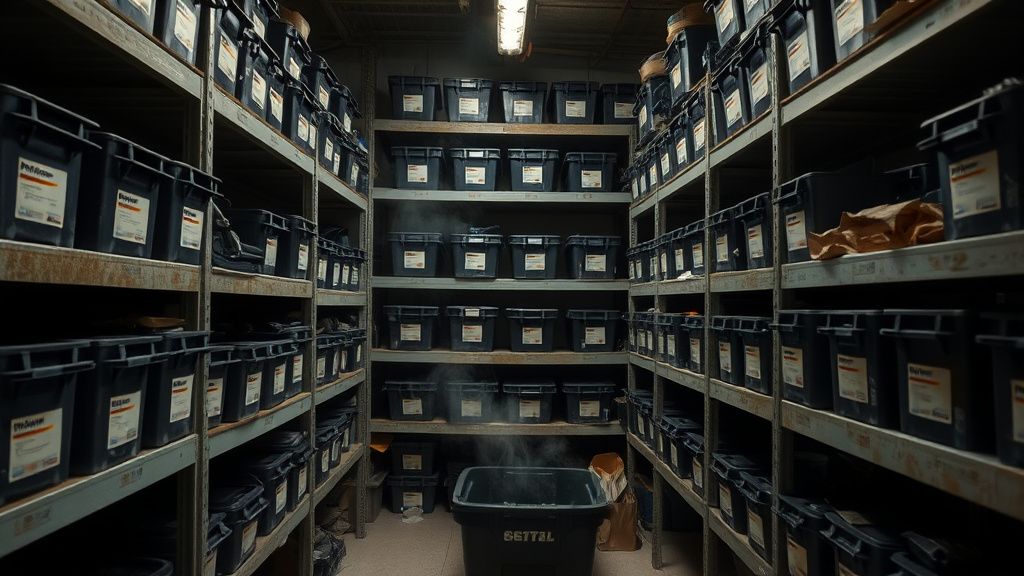
When you move from processing your own household scraps to taking on "feedstock" from neighbors, restaurants, or local coffee shops, you change the nature of your business. You are now a processor. The primary friction point in this business model is consistency, a challenge also explored in Cross-Border Arbitrage: The Hidden Risks of Scaling in Emerging Markets.
Most beginners fail because they treat compost like a trash heap. If you want to sell fertilizer, you must treat it like a lab experiment. Commercial-grade "worm tea" or sifted vermicompost requires a predictable nitrogen-to-carbon (C:N) ratio. If you accept a bucket of leftover citrus or dairy from a local cafe without a robust mitigation plan, your piles will go anaerobic—releasing ammonia and hydrogen sulfide—and your neighbors will ensure your business is shut down by the city council before you’ve even made your first hundred dollars.
The Economics of Feedstock
The most common mistake? Treating waste as a free input. It is not free. It has a high "processing cost."
- Collection Logistics: Unless you are situated in a highly dense walkable neighborhood, the fuel cost or time cost to collect scraps from partners often outweighs the value of the final compost.
- The "Contamination Tax": Every batch of coffee grounds that comes with a stray plastic stirrer or a compostable—but actually non-compostable—bioplastic fork increases your labor costs during the sifting phase.
Infrastructure and the "Garage Tech" Pivot
By 2026, the technology available to the home operator has evolved, mirroring the decentralization trends seen in Why Decentralized Micro-Grids Are Ending the Era of Utility Monopolies. We are seeing a shift away from simple plastic bins toward modular, IoT-monitored static aerated piles (SAPs). Using an ESP32 or a basic Raspberry Pi to track temperature and moisture isn't just "nerdy"—it is the only way to ensure the pathogen kill-rate necessary to market your product as "finished" fertilizer.
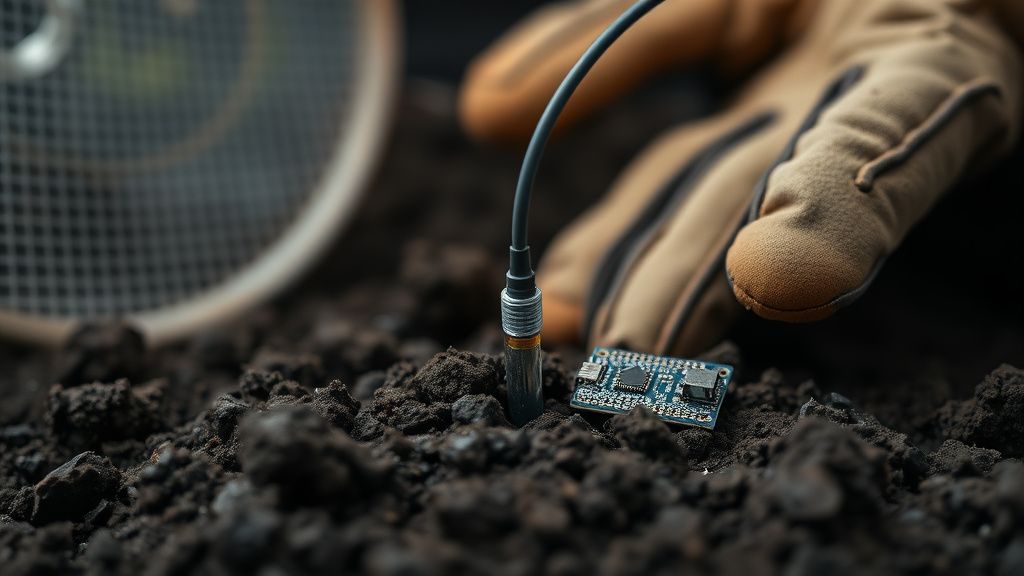
If you fail to document your temperature curves, you have zero legal defense when a customer blames your product for introducing weeds or pathogens, a reminder of why Why Your Business Insurance Might Not Cover AI Mistakes is essential reading for any scaling entrepreneur. In the world of professional fertilizer sales, "I think it’s done" is not a business model.
Real Field Report: The "West Side" Failure (Case Study)
In late 2024, an urban composting collective in a mid-sized US city attempted to scale up by signing contracts with three local diners. They believed that "volume equals profit." They underestimated the sheer volume of fats, oils, and grease (FOG).
The result was a total system collapse within six weeks. The piles became "sludge," the smell triggered three separate zoning inspections, and the group spent their entire working capital on odor-neutralizing agents and dumpster disposal fees to dump the contaminated mess. The lesson? Volume is secondary to feedstock quality control. They lacked a pre-processing protocol—they were taking anything the restaurants gave them, without a shredder or a carbon-bulking buffer.
Counter-Criticism: Is "Hyper-Local" Always Better?
There is a recurring debate in the permaculture community about the viability of small-scale composting vs. large-scale municipal anaerobic digesters. The critics argue that home-based operations are essentially "carbon inefficient" because they lack the scale to capture methane properly.
While the environmental impact of a home business is a net positive compared to landfilling, the economic argument is fragile. Many urban gardeners who buy your product can get "free" compost from city-run municipal facilities. To compete, you cannot sell generic "dirt." You must sell Performance.
You are not selling compost; you are selling:
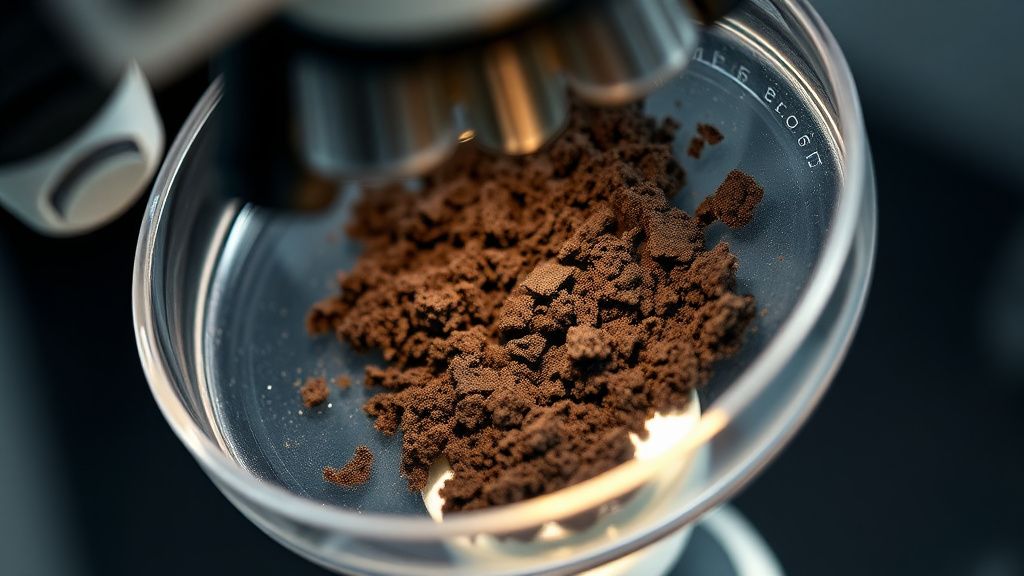
- Soil Biology: Your product is packed with beneficial microbes (which you can prove with a simple microscope check).
- Nutrient Profiling: You have a basic N-P-K breakdown from a lab test.
- Traceability: You know exactly what went into the bin.
Mastering the Workaround Culture
Since regulatory frameworks haven't caught up with urban micro-fertilizer businesses, you will inevitably hit walls. City ordinances are written for massive industrial sites or small personal gardens. There is rarely a "middle ground" license for a home-based fertilizer manufacturer.
Common workarounds used by successful operators:
- The "Educational Workshop" Shield: Instead of selling "fertilizer," many collectives run "soil regeneration workshops" where the "compost" is a byproduct of the educational process. This often bypasses stringent fertilizer labeling laws (though you should verify local state legislation).
- The Affiliate Strategy: Instead of scaling your own pile to the size of a mountain, you aggregate high-quality, pre-screened compost from industrial sources and "charge" it with your own local biology (microbes, biochar, or localized minerals) to create a premium, differentiated product.
The Problem of Scaling Friction
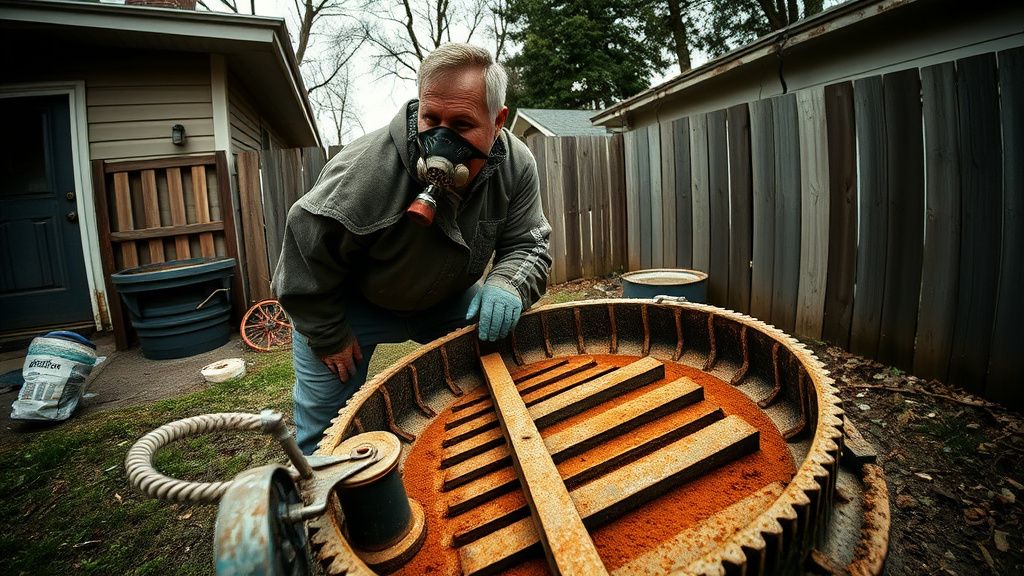
If you try to scale from 100lbs a month to 1 ton a month, your current "tools" will break. Plastic bins will crack. Manual hand-sieving will lead to repetitive strain injuries. You will need to build your own rotary trommel screen. If you aren't handy with a welder or don't have a friend who is, your costs will skyrocket as you try to purchase "off-the-shelf" agricultural equipment that is built for 50-acre farms, not a 20x20 urban shed.
One common frustration cited in online forums like Hacker News and Reddit’s r/composting is the "Death Valley" of small business hardware: the gear is either "toy-grade" (plastic, flimsy, breaks under weight) or "industrial-grade" (costs $10,000, too loud for residential zoning). You will likely spend 40% of your time maintaining your own equipment rather than producing fertilizer.
Market Saturation and the "Luxury Fertilizer" Pivot
By 2026, the market for generic garden compost is saturated. Every box store sells "organic" compost at a loss to get you in the door. You cannot compete on price. You must compete on narrative and specialty usage.
- Houseplant Niche: The indoor plant market is massive and willing to pay a premium for "clean," odor-free, non-pathogenic worm castings that won't attract fungus gnats. This is a much higher-margin business than selling bulk bags for outdoor vegetable plots.
- The "Single-Origin" Compost: Just like coffee, customers are becoming curious about the source. Is your compost made from the leftovers of a high-end French bistro, or generic municipal waste? The narrative behind the input matters to the boutique buyer.
Financial Reality Check: The Hidden Costs
Do not expect to turn a profit in the first 12 months.
- Testing Costs: A basic N-P-K lab analysis can run $50–$150. You need this to establish trust.
- Packaging: High-quality, compostable bags are expensive. Cheap plastic bags ruin your brand image if you are targeting the "eco-conscious" market.
- Insurance: If you are selling a product that goes into people's edible gardens, you need product liability insurance. Many amateur sellers ignore this, putting their entire personal asset base at risk if a customer blames their compost for a crop failure or chemical contamination.
FAQ
Is it legal to sell compost made from food scraps in a residential zone?
How do I handle the smell without getting evicted or reported?
Why does my compost feel "sandy" or gritty even after I sift it?
What is the biggest mistake people make in the first 90 days?
How do I prove my compost is better than the $5 bag from the store?
Will the local council shut me down if I accept neighborhood waste?
Final Thoughts on Sustainability
The most successful urban composting businesses of 2026 are not the ones that tried to solve the city's entire waste problem. They are the ones that treated their operation like a high-precision manufacturing plant. They kept their footprint small, their product niche, and their data transparent. When you start, you’ll be tempted to take every scrap offered to you. Resist. The moment your feedstock becomes uncontrollable is the moment your business ceases to be a producer of value and becomes a source of pollution. Stay small, stay technical, and prioritize the soil biology over the volume of the pile.