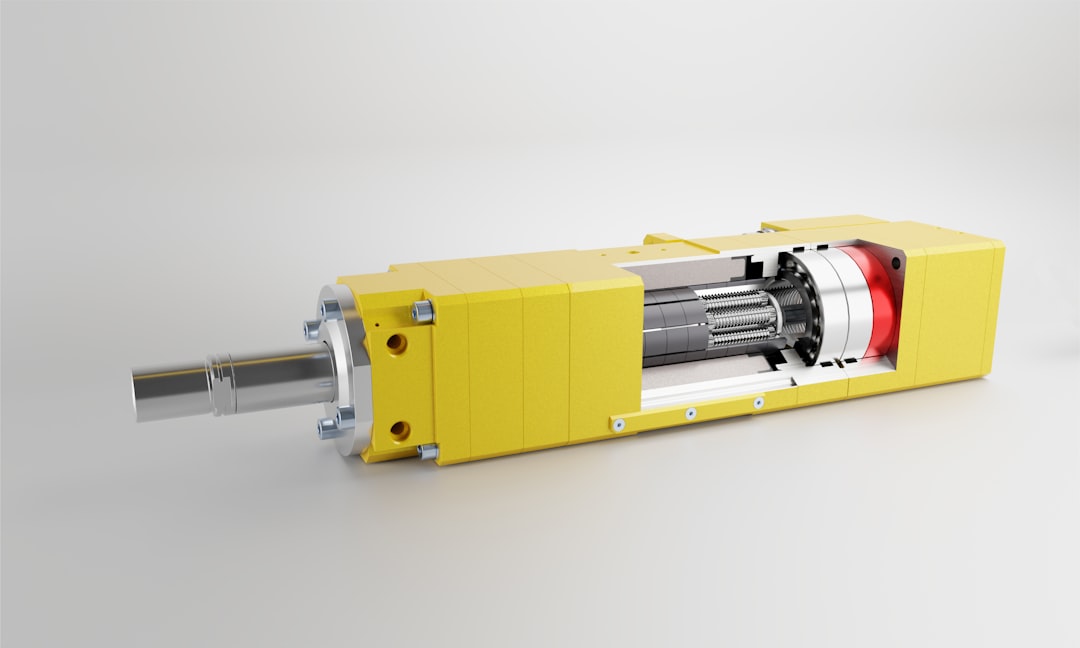
Modern smart lock actuators are the perfect embodiment of the "planned obsolescence versus repairability" conflict. You spend 300 to 500 dollars on a sleek, Wi-Fi-connected deadbolt, expecting it to be a fortress of solitude. Two years later, the internal motor starts whining like a dying jet engine, the gears skip, and the unit fails to retract the bolt. You call support, they tell you the warranty expired last month, and the only "solution" is to replace the entire 500-dollar hardware stack. This is the operational reality of the smart home ecosystem: premium pricing for hardware that is engineered to be disposable. However, beneath the plastic shells and proprietary firmware lies a simple, mechanical truth: these devices are just tiny DC motors, plastic worm gears, and cheap sensors. Repairing them isn't just about saving money; it’s about reclaiming agency over your own hardware, much like those who are mastering a high-margin ultrabook repair business in 2026 to capitalize on the growing demand for sustainable tech maintenance.
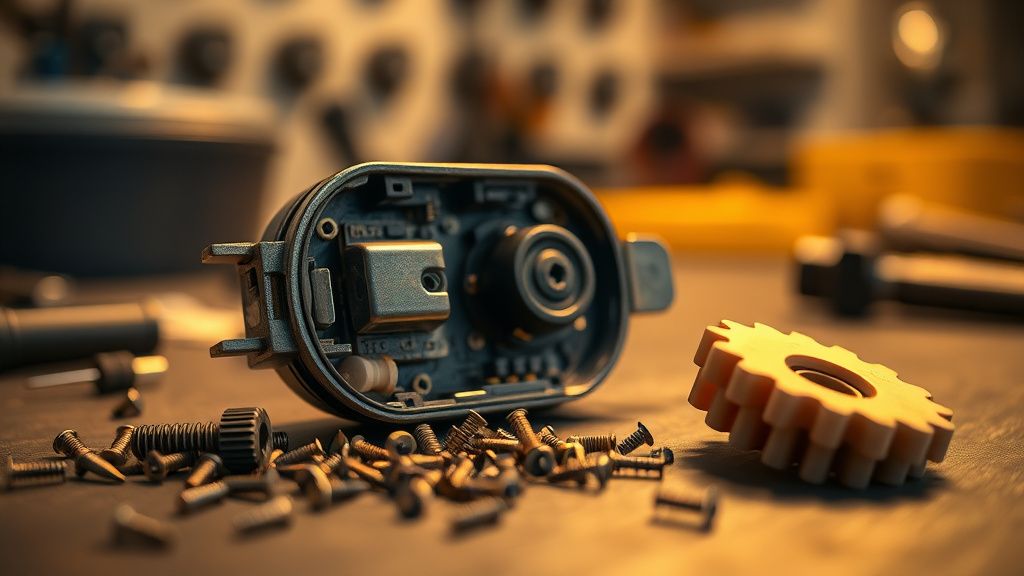
The Anatomy of Failure: Why Do They Stop Working?
Before you reach for a screwdriver, you need to understand the systemic failure points. Most smart lock actuators fail for three specific reasons: gear wear, motor burnout, or electrical impedance caused by debris.
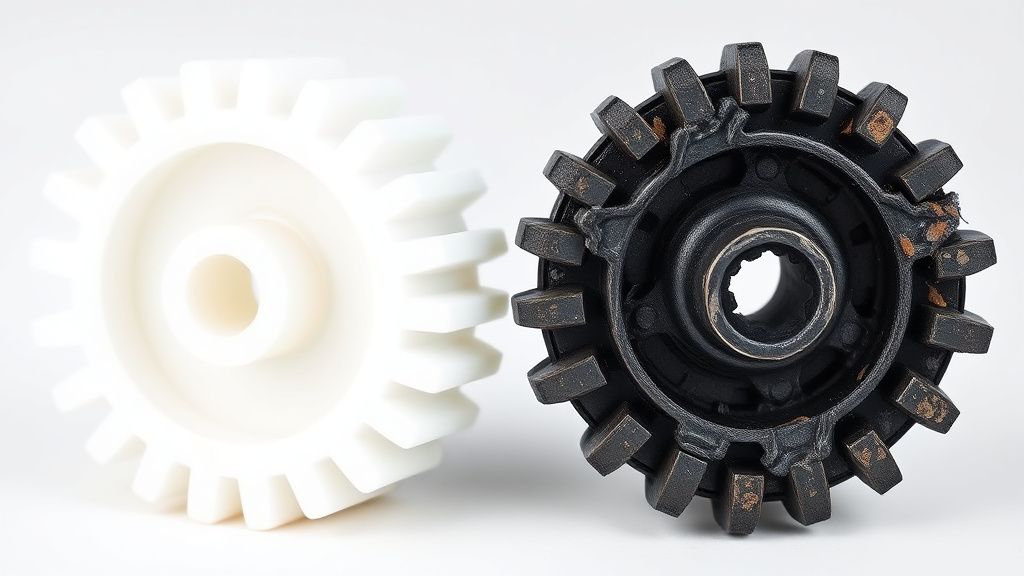
Most major manufacturers—Yale, Schlage, August—use high-ratio plastic gearboxes to translate the low-torque rotation of a tiny DC motor into the high-torque movement required to throw a deadbolt. This is a massive engineering compromise. Plastic gears, often made of nylon or POM (polyoxymethylene), have a finite lifespan. When you encounter "sticky" doors—where the deadbolt doesn't line up perfectly with the strike plate—the actuator is forced to fight against friction. Every cycle under stress shaves microns off the plastic teeth. Eventually, the gears lose their profile, and you hear that characteristic whir-clack-clack-clack sound.
The motor itself is rarely the problem, but it is often blamed. These are cheap, generic 3V or 6V brushed motors sourced from mass-market suppliers. They are rated for a specific number of rotations. If your alignment is off, the motor draws more current, which can heat up the internal MOSFETs on the logic board, leading to intermittent connection failures.
The Repair Workflow: A Tactical Approach
To fix this, you aren't an engineer; you are an archivist of tiny parts. The repair process requires extreme patience and a willingness to accept that if you strip a screw, the device becomes a brick.
- Isolation: Remove the interior housing. Do not touch the exterior keypad unless you are prepared to deal with weather-stripping adhesives.
- The Gearbox Autopsy: This is where you will find the failure. Open the gearbox casing. If you see white dust, that’s ground-up plastic gear teeth.
- The Workaround Culture: You can rarely buy official replacement gears. The manufacturers don't want you to. Instead, look for generic "RC car hobbyist" replacement gears or 3D-printable files on platforms like Printables or Thingiverse.
- Lubrication: Use white lithium grease. Never use WD-40. WD-40 is a solvent, not a lubricant; it will dissolve the plastic casing and turn your grease into a sticky, gummy sludge within months.
Real Field Reports: The Community Reality
If you browse the /r/homeautomation or /r/Locksmith subreddits, you’ll find a recurring narrative: the "fix" often introduces new problems.
"I spent three hours printing a custom gear for my August lock. It worked for two weeks before the motor shaft seized. The tolerances were off by 0.5mm, which created enough heat to melt the casing." — User 'tech_tinkerer_99' on a DIY hardware forum.
This highlights the primary tension: Precision vs. DIY. When you repair a smart lock, you are operating outside of the manufacturer’s QA-QC (Quality Assurance / Quality Control) loop. If your repair fails, you aren't just out 500 dollars—you’ve effectively lost your investment, a risky scenario that stands in stark contrast to the calculated stability of fractional real estate investing for passive income in 2026.; you’re locked out of your house. This is why many professional locksmiths refuse to touch "smart" internals. They view them as non-repairable consumer electronics rather than locking hardware.
Counter-Criticism: Should You Even Fix It?
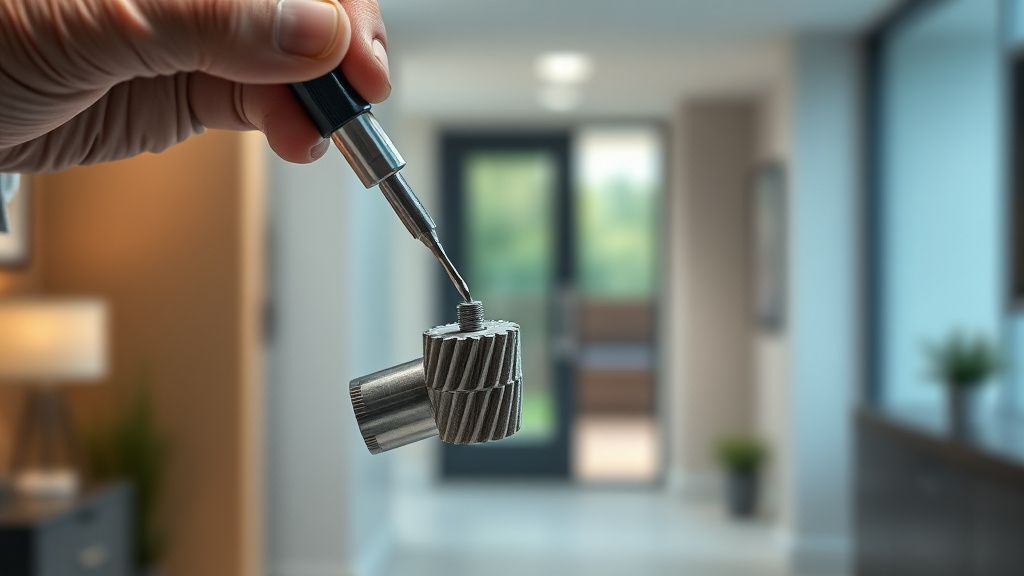
There is a valid argument that repairing a smart lock is a fool’s errand. If the gears are failing, it is often a symptom of the door frame shifting, the house settling, or the strike plate being misaligned. By repairing the actuator, you are putting a band-aid on a structural problem.
Furthermore, from a security standpoint, if you are opening your lock's housing and modifying the drive train, you risk compromising the mechanical integrity of the bolt. If you force the lock to move via a compromised, repaired gear set, there is a non-zero chance of the bolt locking up while you are inside, turning your "smart" security feature into a fire hazard.
The "Bug" of Modern Integration: Firmware vs. Mechanics
A common point of confusion for users is distinguishing between a mechanical failure and a "firmware loop." Many users report that their actuator stopped working after a firmware update. In reality, what often happens is the update recalibrates the motor’s torque sensing. If your gears are slightly worn, the new firmware detects the resistance, interprets it as a "jam," and stops the motor to prevent damage. This is a classic example of an Edge-Case Failure: the software is "too smart" for the aging hardware.
If you suspect this, check the developer forums or GitHub issues for your specific model. Often, there are "downgrade" procedures or hidden calibration modes that allow you to set the torque limit higher, effectively masking the mechanical wear for another six months.
Establishing a Maintenance Routine
If you decide to keep your smart lock, you must treat it like a car, not an appliance.
- Quarterly Alignment Check: Use a piece of paper to check if the deadbolt is centered in the strike plate. If it’s dragging, adjust the strike plate immediately.
- Battery Management: Voltage drops are the enemy. As batteries lose capacity, the motor loses torque. Use high-quality lithium batteries, not standard alkaline, to maintain a consistent current draw for the motor.
- The "Support Ticket" Game: Before you open the casing, always contact support. Even if the warranty is expired, play the "disappointed customer" card. Sometimes, support agents have the authority to send a replacement unit or a "refurbished" gearbox assembly if you imply you're moving to a competitor.
Conclusion: The Hidden Cost of Convenience
The ability to fix your smart lock is a form of digital literacy. It forces you to acknowledge that the "magic" of your connected home is held together by fragile, mass-produced plastic. You will save 500 dollars by replacing a 5-dollar gear, but the real cost is the time, the risk of failure, and the constant realization that your home's security depends on a device that is, by design, not built to last a decade.