Building a high-profit hardwood restoration business focused on natural walnut and oil-based finishes isn’t just about woodworking; it is about navigating the intersection of artisan nostalgia and modern, high-stress property management. The market is currently bifurcated: you have the "fast-and-cheap" floor sanders using industrial polyurethane that yellows in three years, and you have the "slow-and-deliberate" restoration specialists. If you choose the latter, you are entering a niche that demands extreme attention to chemical stability, client psychology, and a willingness to walk away from bad jobs.
The Economics of the "Natural Oil" Pivot
Most flooring contractors chase volume. They use water-based polyurethanes because they can coat, dry, and vacate a house in 24 hours. The profit margins are high on labor but low on reputation, as these systems degrade quickly under high traffic.
When you specialize in natural walnut restoration, you are essentially selling an aesthetic that appeals to the "architectural digest" demographic. Walnut is soft compared to oak, prone to UV bleaching, and highly reactive to finish chemistry. Your business model should move away from square-foot pricing and toward "project-based consulting," much like how you would scale a high-ticket circadian health consulting business by focusing on niche value rather than volume. You aren’t just sanding; you are managing a living material.
Profitability here comes from the "Restoration vs. Replacement" delta. When a client thinks their walnut floors are ruined by pet scratches or deep gouges, they are looking at a $30,000 replacement bill. If you can restore the floor for $8,000 with a finish that feels like real wood rather than a plastic skin, you have a massive price umbrella to work under.
Technical Reality: The Walnut Paradox
Walnut (Juglans nigra) is a temperamental species. In the field, we see two major failures that kill businesses:
- The Over-Sanding Trap: Because walnut is relatively soft, high-RPM orbital sanders can leave "pigtails" that only appear once the oil is applied. You end up with a client who sees a "perfect" raw floor, only for them to turn into a nightmare customer once the oil highlights every micro-scratch you missed.
- Oil Polymerization Failures: Many new contractors try to use "natural" oils like raw linseed or tung oil without understanding catalytic hardeners. If you don't use a two-component hardener system, your floor will remain tacky for weeks, leading to dust collection and a ruined reputation.
Real Field Report: The "Tacky Floor" Crisis (GitHub Issues & Reddit Sentiment)
I spent time monitoring several professional forums (r/HardwoodFloors, DIYWoodworking, and various TradeTalk Discord servers). The recurring theme isn't that the oils are bad; it’s that the application conditions are ignored.
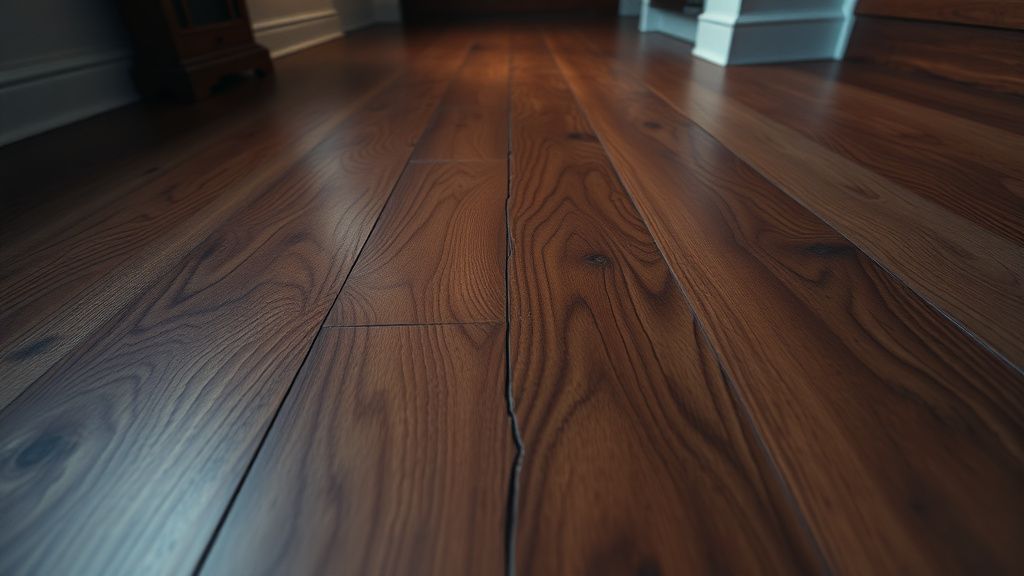
One specific thread on a professional flooring forum detailed a contractor who applied a high-end oil finish on a rainy day in a high-humidity zone without a dehumidifier. The result? The oil didn't cure. It sat as a gummy, dark residue. The contractor’s response was, "The product is defective," but the reality—as discussed by the maintainer of a well-known woodworking finish line—was that the vapor pressure prevented the oxidation process required for the oil to cross-link.
Lesson: Your business requires a $500 dehumidifier as much as it requires a $3,000 sander. If you ignore the environment, you are not a professional; you are a risk factor, which is a lesson as critical to your reputation as learning how to troubleshoot your Ninja Foodi DZ401 before you attempt a kitchen repair.
The Conflict: "Green" Marketing vs. Chemical Truth
There is a massive amount of marketing "fluff" in the industry regarding VOC-free finishes. Many "natural oil" companies advertise as 0% VOC, which is technically true until they add the hardener, which is often an isocyanate-based catalyst.
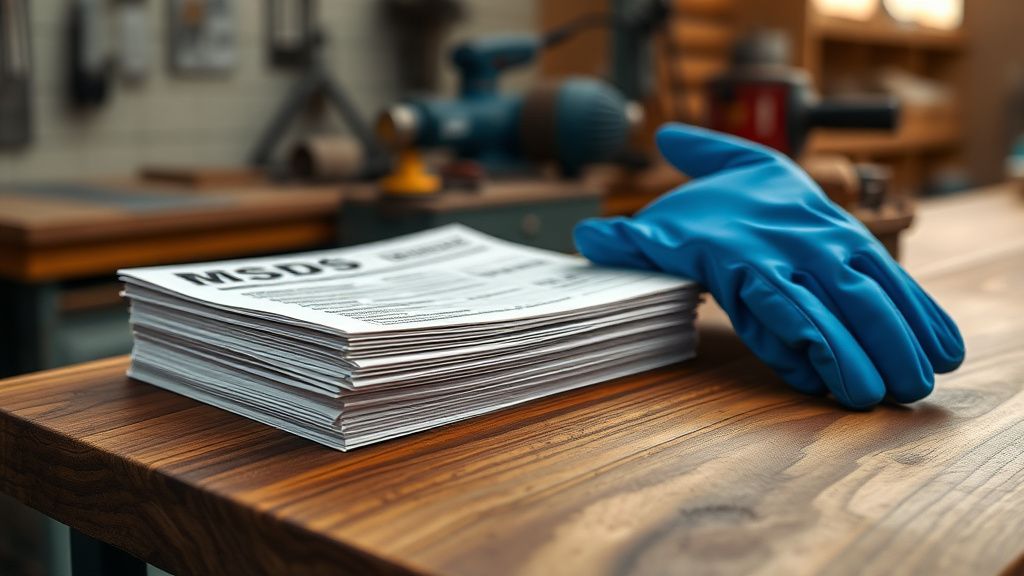
This is where you gain trust. If you lie to a high-end client about the chemistry, they will eventually find out through an MSDS (Material Safety Data Sheet). Instead, be transparent. Tell them: "We use a plant-based oil that uses a hardener to ensure the floor doesn't fail. It is safe once cured, but we treat it with respect during the 24-hour application window." This level of honesty is a competitive advantage in an industry plagued by "greenwashing."
Scaling the Business: The "Workaround" Culture
You cannot scale a "hand-rubbed oil" business by hiring cheap labor. This is the biggest failure point for firms trying to grow. The moment you delegate the final buffing process to an inexperienced technician, your quality consistency collapses.
The Strategy:
- The Lead Specialist: You or your most senior tech does the final oil application. This is non-negotiable.
- The Prep-Crew: Hire for grunt work—removing baseboards, sanding the bulk of the field, and dust management.
- The Tech Stack: Standardize on a system. If you switch from Rubio to Loba to Osmo mid-project, you will eventually have a compatibility issue. Build a document library (a simple Notion or private Wiki) for your crew that details every edge-case fix—how to repair a burn mark, how to blend a patch, and how to deal with walnut’s natural sapwood.
Counter-Criticism: Why Everyone Won't Hire You
Let’s be blunt: The vast majority of the general public prefers the "plastic" look. They want a finish that shines and requires no maintenance.
When you push a high-end oil finish, you are pushing a lifestyle change. You are telling the client, "You need to dust, mop, and occasionally re-oil this floor." Many clients will reject this. They want a "set it and forget it" solution. If you try to force the natural walnut/oil aesthetic on a client who isn't ready to care for it, you are setting yourself up for an angry phone call in two years when their floor looks worn.
The Expert Move: Screen your clients. If they have three large dogs and three toddlers, steer them toward a high-traffic polyurethane or a Loba 2K Supra AT. Save the walnut oil restoration for the clients who will appreciate the patina.
Operational Failure Points (And How to Survive Them)
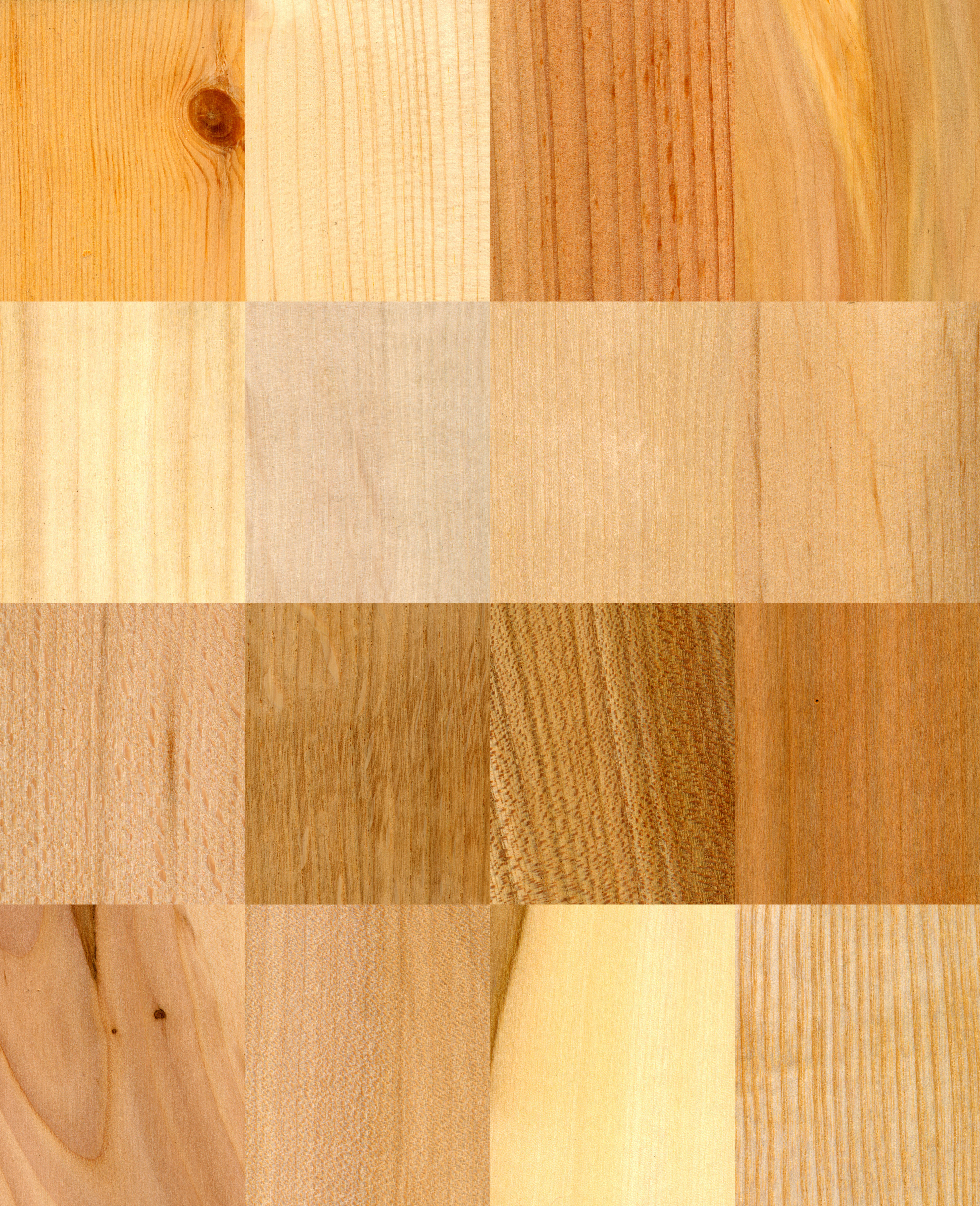
- The Walnut Sapwood Problem: Walnut has a lot of bright, creamy sapwood. If the client hates the contrast, they will blame you for the floor looking "cheap." Always show a sample board with a mix of heartwood and sapwood before the job starts.
- The Moisture Content Variable: If you show up to a job site and don't check the moisture content of the subfloor and the walnut itself, you are rolling the dice. If the wood is at 12% MC and the room is dry-humped to 5%, that wood will shrink, gaps will open, and the client will blame your oil application for "making the floor shrink." Document your moisture readings on every single invoice.
- The "Edge" Problem: Oils don't behave the same on edges where you hand-sand as they do in the middle where you use a buffer. You will often see "halo" effects. Use a high-quality edge-sander and don't skip grits. Going from 80 to 120 is not enough. You need the progression: 80, 100, 120, 150.
The Financials of "Slow" Restoration
Do not underprice. Because you are using high-end oils (which can cost $200+ per liter), your material costs are 5x higher than a contractor using Home Depot-grade poly. Calculate your overhead. If you spend 10 hours on prep and 2 hours on oiling, your hourly rate on the oiling phase must cover the risk of the finish failing.
Always include a "Maintenance Kit" in the price. Hand the client a specialized soap and a maintenance oil. This isn't just "good service"; it's a way to ensure they use the right chemicals on the floor, preventing them from using Windex or vinegar, which will destroy the oil finish in weeks.