The transition from a "fix-it" generalist to a specialized induction cooktop technician is one of the most viable paths in the modern appliance repair market. Most legacy technicians are still stuck chasing failing thermostats in gas ranges or diagnosing mechanical door latches. Meanwhile, the induction market is exploding, characterized by high-value, complex, and notoriously difficult-to-diagnose electronics. To scale, you don't need more customers; you need a workflow that turns the "I can't fix this, call the manufacturer" nightmare into a high-margin service call, similar to how professionals utilize systems to Scale a High-Profit Smart Leak Detection Business Through Insurance Partnerships.
The Operational Reality: Why Induction is the "Anti-Repair" Segment
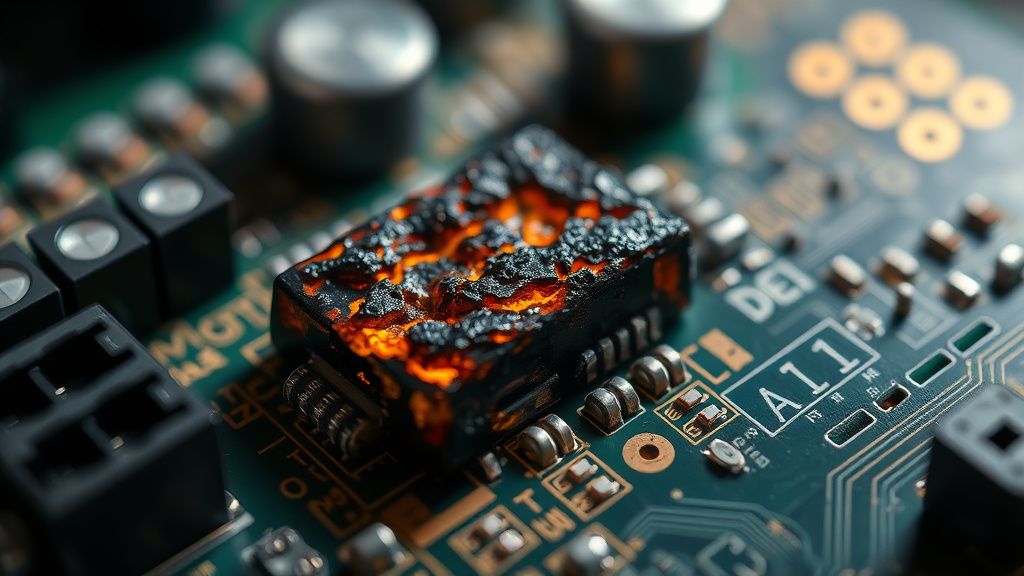
Induction cooktops aren't just electrical appliances; they are power electronics systems. Unlike a resistive heating element that simply needs a continuity check, an induction coil is part of a high-frequency switching circuit. When these fail, they often take out the IGBT (Insulated Gate Bipolar Transistor) bridge and the control board.
The industry standard approach—"replace the whole module"—is the primary failure point for profit scaling, a challenge often explored in broader business contexts such as How to Build a High-Margin VPN Consultancy: From Infrastructure to Scaling. When you walk into a kitchen, look at the manufacturer’s documentation. They will always suggest replacing the Power Board/Induction Generator ($400-$800 part). If you follow this, you are just a parts courier. To be a repair business, you must move down to the component level or, at the very least, understand the electromagnetic environment of the coil itself.
Field Report: The "Flicker and Die" Case Study (October 2023)
In late 2023, a common thread appeared across several technician forums: "GE Profile induction units shutting down under high load." The manufacturer’s authorized service manuals pointed to the main control board. However, field reports from experienced techs on Discord revealed a different story.
It wasn't the board. It was the physical mounting of the induction coils. Over time, thermal expansion cycles caused the mounting clips to lose tension. This led to a micro-gap between the coil and the glass-ceramic top. The sensors, detecting an air gap, would trigger a thermal safety shutdown. Techs who just swapped the board saw the issue return within three weeks. Those who understood the "gap physics"—re-calibrating the coil height and tightening the chassis mounting—charged a flat-rate "precision adjustment" fee that required no parts and took 20 minutes. That is the profit margin you are looking for.
The Technical Trap: Why Diagnostics Fail
Most failures in induction cooktops are cascading. You might see a "Communication Error" on the display. The junior technician clears the error; the senior technician looks for the source of the noise on the signal line.
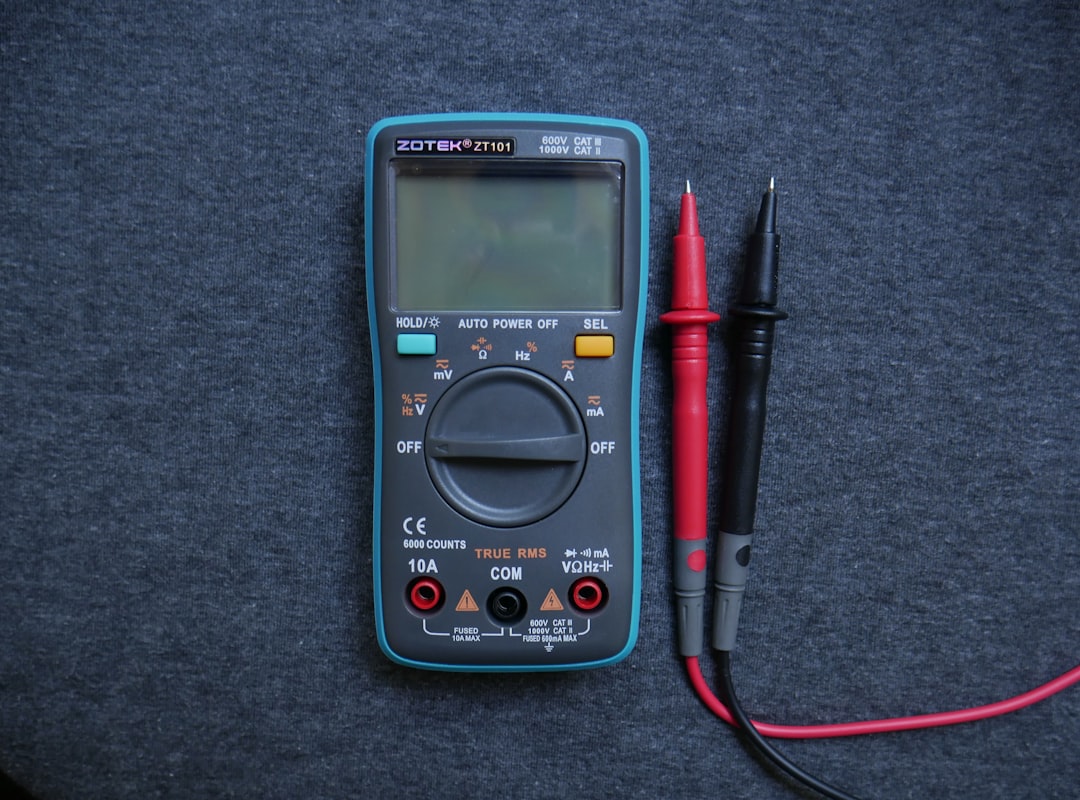
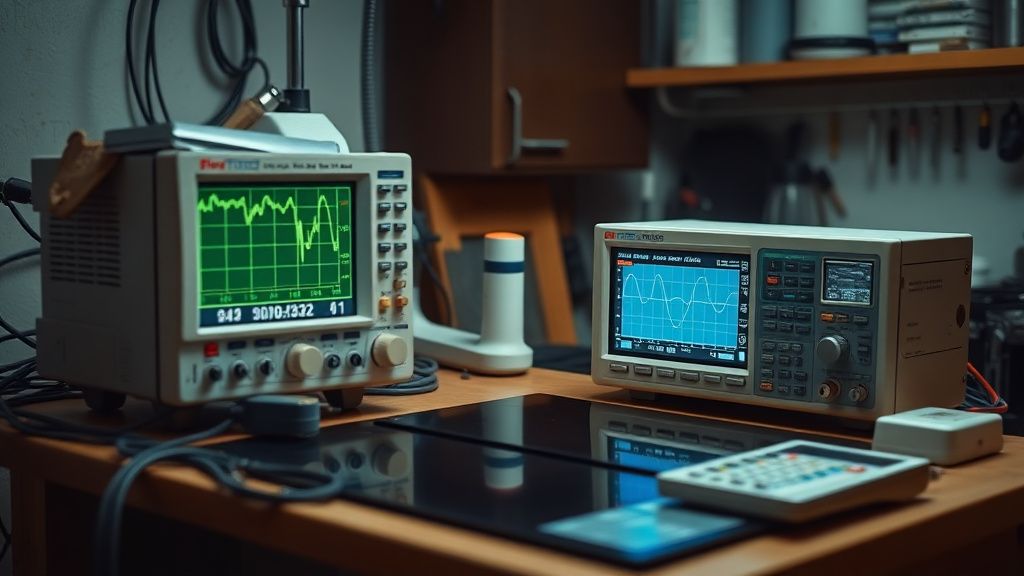
Induction coils work by oscillating a magnetic field at 20-50kHz. If your multimeter lead has even a slight bit of capacitance or if your workspace is prone to EMI, you will get ghost readings. Scaling your business means investing in an oscilloscope, not just a high-end True RMS multimeter, as technical precision is becoming as vital as Why Local LLM Infrastructure is the Future of Enterprise AI.
- The Power Stage: If the IGBTs are shorted, do not just replace them. Inspect the gate driver resistors. They are almost always blown. If you replace the IGBTs without checking the drivers, the new parts will pop the second the cooktop draws current. This is the #1 reason for "repair-return" drama.
Scaling Economics: The "Board-Level" vs. "Module-Swap" Debate
There is a fierce divide in the industry right now. On one side are the "Factory Authorized" shops that prioritize speed and liability. They swap boards, clear the warranty, and move on. Their profit per job is capped by parts markup.
On the other side are the independent specialists, who approach their craft with the same strategic mindset recommended in Scaling Your Energy Audit Business: From Thermal Imaging to Holistic Consulting. By performing board-level repairs (replacing capacitors, bridge rectifiers, and IGBTs), they capture the full labor value.
The Counter-Criticism: Critics of component-level repair argue that it creates a liability nightmare. If you solder a new IGBT and the trace lifts or the heatsink mounting fails, your "repair" could theoretically lead to a fire hazard.
My analysis? Both are right. The middle ground for scaling is Refurbished Exchange. Build a library of common control boards, repair them on your own time (bench time), and swap them in the field. This lowers your on-site time (increasing hourly velocity) while keeping the parts profit in your pocket.
Engineering Compromises and User Frustration
The biggest friction point in induction repair is the "proprietarization" of parts. Manufacturers are increasingly using sealed modules with thermal paste that acts as an adhesive. Removing a coil or board often destroys the mounting hardware.
Users are incredibly frustrated. Look at any Reddit thread on r/appliancerepair. You’ll see homeowners complaining about $1,200 quotes for a 5-year-old unit. When you approach these clients, your pitch isn't "I fix induction," it's "I restore induction." Framing the service as a preservation of a high-value asset rather than a simple repair shifts the price psychology entirely.
The Workflow of a High-Profit Repair
- Remote Triage (The "No-Go" Filter): Don't drive to the customer if it’s a UI issue that can be solved with a power-cycle. Build a simple questionnaire that asks about the specific error code. If the code implies a blown ceramic capacitor (which hums or pops), prep your board-level tools.
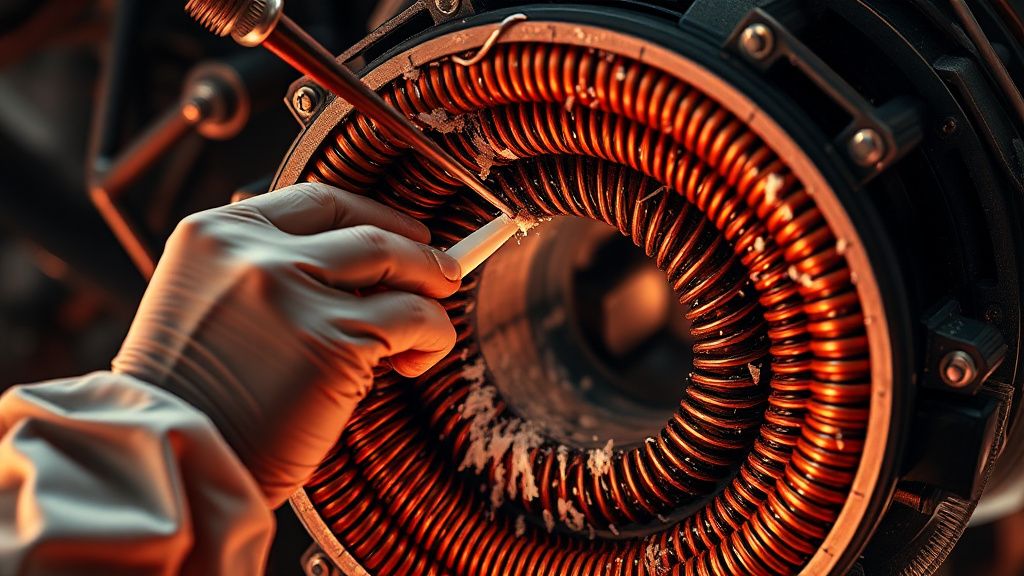
- The EMI Check: Always check the coil resistance before assuming a board failure. Induction coils are just copper traces. If they are open, the board will throw an "E0" or "Pot not detected" error.
- The "Workaround" Culture: You will find that some manufacturers have released firmware patches for older units that improve EMI sensitivity. If you aren't checking the specific serial number against manufacturer service bulletins (which are often hidden in portal-only logins), you are leaving money on the table. Join the private industry groups where techs share these PDF bulletins.
Risks and Scaling Failures
Scaling a repair business is not about hiring more people; it’s about standardizing the diagnostic chain. The biggest failure point I see? Technician turnover. You train a guy, he learns the board-level stuff, and he leaves to start his own firm.
To prevent this, you must institutionalize your knowledge. Create an internal "Wiki of Failures." If you encounter a weird issue with a Samsung induction unit where the coil mounting clip cracked, log the exact part number and the fix. When a new hire hits the same issue, they aren't guessing—they are referencing your internal database.
Final Analysis: The Future of the Coil
The industry is moving toward "flexible zone" induction. These units use multiple small coils rather than one large circular one. This is a nightmare for field repair. The complexity is increasing, meaning the pool of qualified technicians is shrinking. This scarcity is your greatest asset. If you can master the diagnostics of complex multi-coil arrays, you move out of the "handyman" category and into the "systems engineer" category.
Don't race to the bottom on price. If a homeowner has spent $3,000 on a high-end induction range, they have the budget to pay for expertise. The ones who want to pay the lowest price are not your customers; they are the ones who will complain when the "cheap fix" doesn't hold.