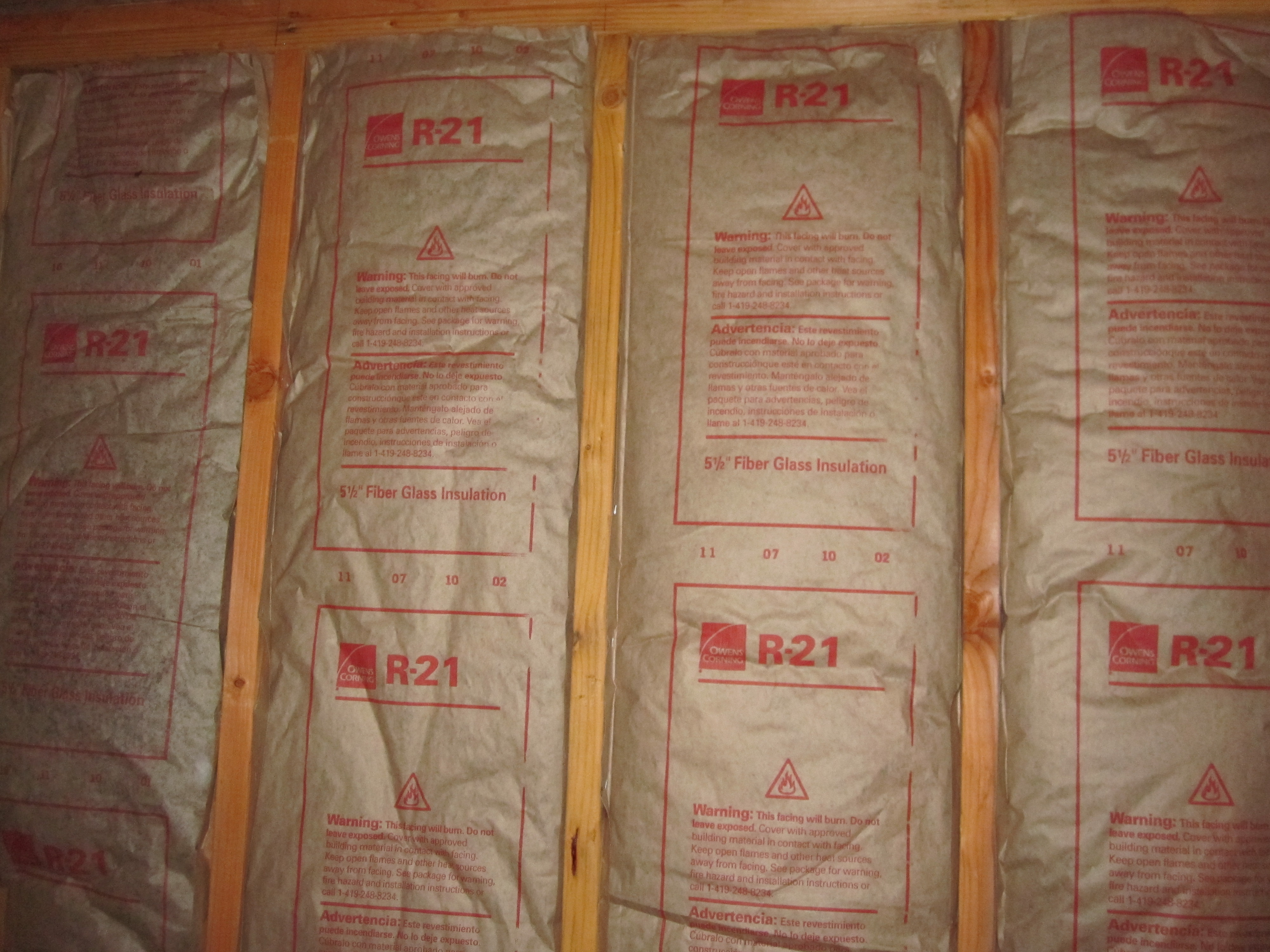
Thermal inspection is often sold as a simple "see the heat leak" service, but the transition from a one-off thermography job to a high-profit energy audit business is where most practitioners fail. It is not about the camera; it is about the physics of the building envelope, the economics of retrofit ROI, and the ability to turn a messy, chaotic physical space into a coherent data report—much like how the industry is evolving to replace traditional insurance claims with smart home network data to build homeowner trust.
The core of this transition lies in moving away from the "handheld gadget" mindset toward a "diagnostic laboratory" approach. A thermal camera, even a $10,000 FLIR or Testo unit, is merely a visual sensor. Without blower door integration, moisture meters, and an understanding of psychrometrics, you are just taking expensive pretty pictures that don't tell the client how to stop their furnace from cycling every ten minutes.
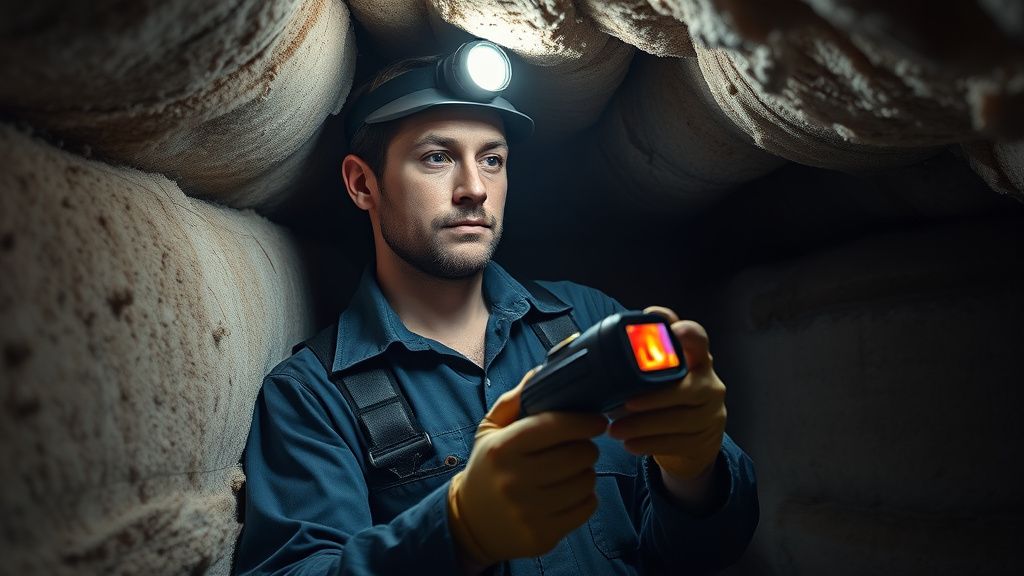
The Operational Reality: Beyond the IR Lens
Most startups in this space begin with a "thermal hunt." They walk around a house, point the camera at cold spots, and tell the homeowner, "Your window is leaking here." This is a low-margin commodity service. You are competing against general contractors who bought a $500 thermal attachment for their smartphone.
To scale into a high-profit business, you must change your value proposition: you aren't selling thermal imaging; you are selling Predictive Asset Management for the Building Envelope.
This requires a shift in workflow:
- The Depressurization Baseline: You cannot conduct a serious audit without a blower door test. Thermal imaging during a blower door test is 10x more effective because you are actively pulling air through the envelope. Without a pressure differential, you are only seeing thermal mass, not infiltration.
- Data Normalization: A high-profit audit includes a software-backed simulation. If you can show the client that a specific $2,000 insulation upgrade will result in a 14% reduction in monthly BTU consumption, you move from "a guy with a camera" to a "building performance consultant."
- The "Why" vs. the "Where": The camera shows the where. Your knowledge of building science—stack effect, thermal bridging, and dew point calculations—shows the why. If you tell a client to add insulation to a wall that is suffering from condensation due to a lack of vapor barrier, you have actually caused a mold problem. This is where professional liability insurance becomes your most important business asset, especially as home office liability continues to complicate corporate insurance premiums.
The Scaling Trap and Institutional Friction
Scaling an energy audit business is notoriously difficult because it is inherently non-scalable labor. You are the product. To escape this, you must build a "Technical Debt" mitigation strategy.
Many firms attempt to hire technicians to do the field work while the "Lead Consultant" does the reporting. This almost always leads to a drop in quality. If the technician doesn't understand why they are seeing a strange isotherm on a ceiling joist, they won't take the correct supporting photos (or moisture readings).
The Scaling Paradox:
- Too much process: The reports become bloated, 40-page PDF documents that clients never read.
- Too little process: The reports are inconsistent, and your brand reputation becomes tied to the "luck of the draw" regarding which technician showed up.
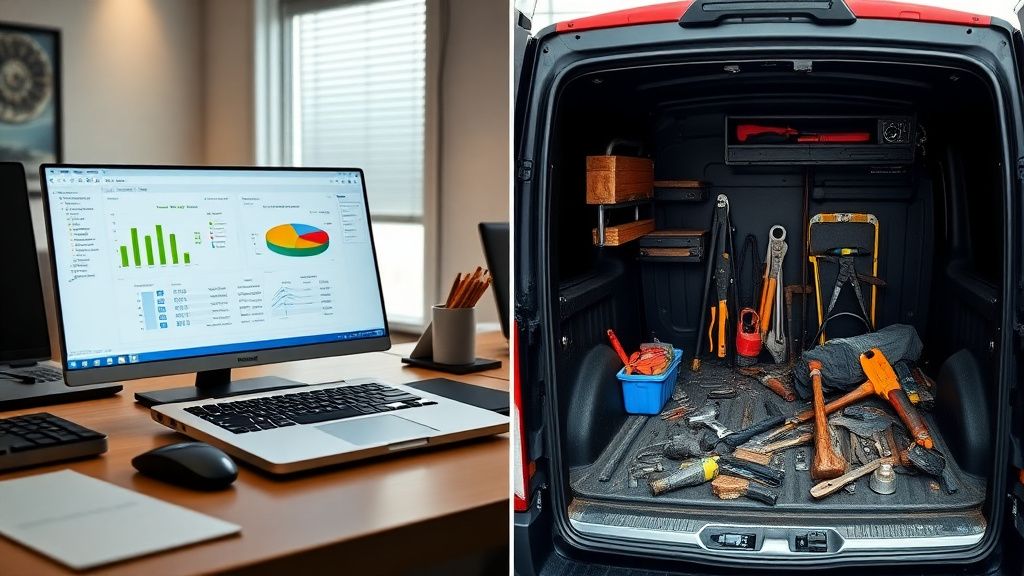
The Counter-Criticism: Why Thermal Isn't Everything
There is a significant segment of the building science community (the "BPI-purists") who argue that relying too heavily on thermal imaging is a crutch. They point out that thermography is often misleading. For instance, high-emissivity materials can fool a novice operator into seeing "leaks" that are just variations in surface material temperature.
Critics often point to the "Visual Bias"—the tendency of a homeowner to believe that if they can see a cold spot in blue on a screen, that is the most important problem in the house. Often, the most significant energy losses are hidden, such as attic bypasses behind drywall or duct leakage in inaccessible plenums.
If you build your entire business model on what you can show the client, you are ignoring the invisible issues that might actually be causing their HVAC systems to fail prematurely. A high-profit business model incorporates Blower Door Data, Zonal Pressure Testing, and Combustion Safety Analysis. If you skip these, you are running a photography business, not an energy business.
Field Report: The "Perfect" House That Wasn't
In 2022, a residential audit firm in the Pacific Northwest was hired to inspect a custom-built home that was failing to maintain temperature. The owner had already spent $15,000 on "recommended" insulation upgrades based on a previous infrared scan.
When the firm performed a full blower door test, they found that the home was "tight" enough, but the HVAC ductwork—located entirely in the unconditioned crawlspace—was leaking at an astonishing 30% of total flow. The original thermal scan had missed it because the ducts were insulated with R-8 fiberglass, which "masked" the temperature difference during the scan.
The Lesson: The thermal camera didn't see the problem because the problem was obscured by the very material intended to hide it. The audit firm charged $2,500 for the full diagnostic day, vs the $400 the previous contractor charged for a "scan." The client paid the $2,500 because they got a 20-page diagnostic report with a clear plan for duct sealing that actually solved the comfort issue.
The Economics of Monetization
To hit "high profit" margins, you must move away from "per visit" billing. The market is saturated with low-end audits. You need to package your services into tiered offerings:
- Tier 1: The Diagnostic Snapshot ($400 - $600): A 2-hour walkthrough, basic thermal imaging, and a verbal summary. This is a lead-gen tool for your higher services.
- Tier 2: The Deep Retrofit Audit ($1,200 - $2,500): Blower door, duct blasting, thermal imaging, and a comprehensive, prioritized energy model report with ROI calculations.
- Tier 3: The Comfort Concierge ($3,000+): All of the above, plus contractor management. You serve as the "General" for the energy upgrades. You specify the work, you inspect the work, and you verify the results with a post-retrofit blower door test.

Engineering Compromise and the "Workaround" Culture
You will find that no matter how much you charge, you will eventually encounter the "un-fixable" house. These are typically 1950s-era homes with balloon framing or mid-century modern designs with flat rooflines that offer zero access for insulation.
In these cases, you face a dilemma: do you sell the client on a $50,000 roof-off renovation, or do you provide a realistic "mitigation" plan? High-profit businesses don't chase the big renovation budget unless they are also the contractors. They provide "comfort mitigation." They suggest window inserts, localized sealing, and HVAC adjustments.
The "workaround" culture in this industry is real. Maintenance crews on forums like Hacker News or specialized Discord servers for building performance professionals often share trade secrets on how to seal difficult attics without a full teardown. You should document these "hacks." A high-profit consultant has a deep library of "how to fix this cheaply" solutions that don't require the homeowner to take out a second mortgage.
Scaling and the "Support Nightmare"
When you move from individual auditing to a team, your support burden increases exponentially. You are no longer just an auditor; you are a data processor.
If you use consumer-grade software to generate reports, you will be manually formatting images for hours. High-profit firms use integrated platforms (like HEEHA, SnuggPro, or custom-built internal databases) that push data directly from the camera to the report template. If you are copying and pasting files from an SD card, you are losing money on every single report.
Furthermore, expect the "trust erosion" phase. Every client, at some point, will doubt your findings because a neighbor or an HVAC guy told them something different. You need a standard, technical defense for your recommendations. Have a "Technical White Paper" or a "Methodology Guide" that you give to the homeowner at the start of the job. It establishes your authority and provides the reference material that prevents you from having to defend your reputation on the phone for an hour after the report is delivered.
Challenges of the Modern Regulatory Environment
Energy codes are changing. As local municipalities adopt stricter stretch codes, the "HERS" (Home Energy Rating System) rating is becoming a standard requirement for real estate transactions in some regions.
This presents a massive opportunity for the energy audit business. If you can get certified as a RESNET rater, you can pivot your business to include "Compliance Audits." This is steady, recurring work that comes from home builders rather than fickle homeowners. The margin is lower, but the volume is predictable.

Managing Customer Expectations
The biggest failure point in this industry is the gap between "Thermal Image" and "Energy Bill Reduction."
A common pitfall is to promise that "sealing this leak will save you 30% on your bill." Never make this promise. Energy consumption is dictated by human behavior (how high they set the thermostat, how often they open doors, the efficiency of their appliances) as much as it is by the building envelope.
The most successful practitioners position their reports as:
"We are identifying the thermodynamic weaknesses of your structure. Improving these will reduce the load on your HVAC system, but your total bill is a function of how you operate that system."
This simple semantic shift protects you from the inevitable "My bill is still high" follow-up call.
The Future of the Industry: AI and Computer Vision
We are currently seeing the beginning of automated image interpretation. Some developers are creating AI models that can analyze a series of thermal photos and automatically highlight the most probable areas of insulation voids or bypasses.
While this is still in the "hype" phase, the reality is that the next five years will be dominated by those who use these tools to speed up their report generation, not those who try to replace the technician with a drone. The technician is still required to go into the attic, verify the AI's findings, and perform the safety checks that a camera can never do.
Checklist for Business Growth
- Stop selling thermal imaging. Start selling building performance diagnostics.
- Integrate Blower Door testing. It is non-negotiable.
- Tier your services. Don't let your "premium" work be lost in a sea of "basic" inspections.
- Automate reporting. If you aren't using a database-backed reporting system, you aren't running a business; you're running a hobby.
- Build a defensible methodology. Keep a "Technical Guide" for every customer to combat doubt and establish authority.
The barrier to entry in this market is low, but the barrier to profitability is high. It requires a blend of hard-science knowledge, patience for the physical labor involved, and the ability to explain complex heat-transfer physics to a homeowner who just wants to know why their living room is freezing.