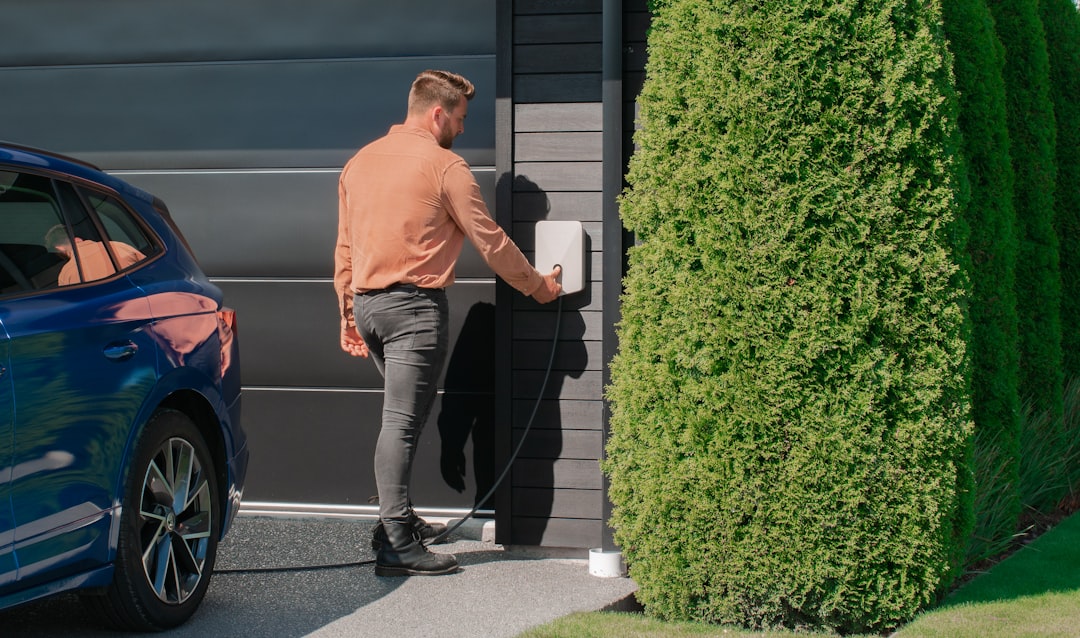
The shift toward residential electrification is no longer a speculative trend; by 2026, it has become the backbone of the residential electrical contracting industry. For an electrical contractor, profit in the mid-2020s isn’t found in hanging ceiling fans or simple outlet replacements, though you should keep an eye on how a shift to an LLC can protect your business as you scale. It is found in the "heavy-up"—specifically, the panel upgrade necessitated by EV charger installations. Scaling your business around this demand requires moving away from the "truck-and-ladder" mentality and toward a systems-based, data-driven operation. This article analyzes the shift from transactional electrical work to specialized infrastructure deployment, while noting that some firms fail by overlooking the hidden costs of home office insurance liabilities that often haunt residential operations.
The Anatomy of the 2026 "Heavy-Up"
An EV charger installation is rarely just an EV charger installation. By 2026, the intersection of heat pumps, induction stoves, and dual-EV households has turned the standard 200A panel into a bottleneck. The core problem you are solving isn't "charging a car"—it’s managing load calculation density.
When you scale your business to handle these upgrades, you aren't just selling labor; you are selling capacity insurance. If you calculate for today’s demand but ignore the homeowner’s plan to add a solar-plus-storage system next year, you are setting yourself up for a warranty nightmare and a damaged reputation.
Why Most Scaling Strategies Fail: The "Call-Back" Trap
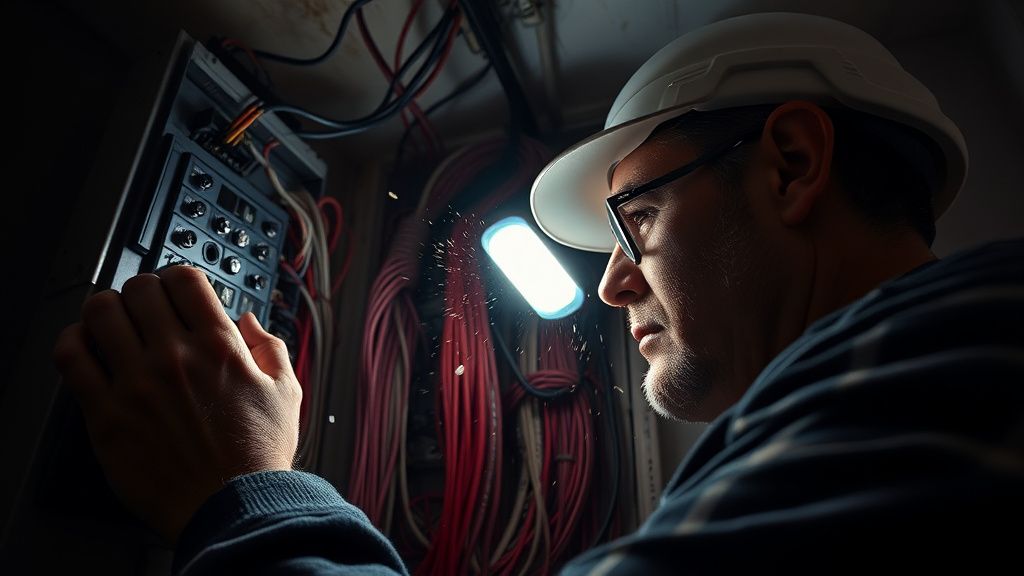
Many contractors try to scale by hiring low-skilled labor to handle the "grunt work" while they supervise. In the context of panel upgrades, this is a fatal error. The complexity of legacy wiring in 1970s and 80s homes—often found hiding behind fresh drywall—means that the person on the ground must be a troubleshooter, not just a wire-puller.
The "Operational Friction" Reality:
- The Hidden Conduit Tax: You quote a panel swap based on a clear path to the meter. You arrive, open the wall, and find asbestos-wrapped wires or structural blocking that triples the labor time. If your scaling model doesn't account for "discovery hours," you will go bankrupt on every job.
- Permitting Bottlenecks: Scaling means moving from one permit a week to ten. When your office staff can’t manage the nuances of municipal AHJs (Authorities Having Jurisdiction), your cash flow stalls.
- The "Everything Broke" Syndrome: Homeowners in 2026 are increasingly intolerant of "smart home" glitches. A panel swap that accidentally kills a legacy Z-Wave bridge or causes connectivity issues—which might leave clients wondering if their Wi-Fi is causing brain fog—is an instant recipe for a one-star review.
Real Field Report: The "Over-Promising" Failure
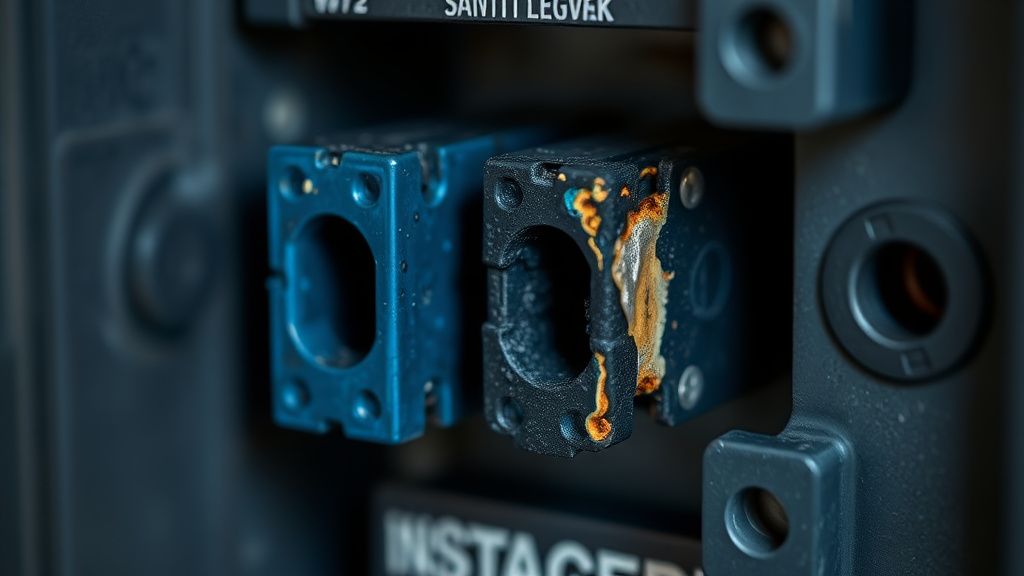
Case Study: A mid-sized shop in the Pacific Northwest attempted to scale by offering "Guaranteed Same-Day Panel Swaps" to capture the EV market. The result? Quality plummeted. Because the team was rushing, they skipped mandatory torque-wrench verification on the main lugs. Within six months, they had three separate overheating incidents leading to charred terminal blocks. The reputational damage took two years to fix. Scaling didn't mean doing it faster; it meant doing it more predictably, such as ensuring your mesh router network stays cool and reliable during high-demand periods.
The Economics of the "Load Shedder"
If you are strictly doing panel swaps, you are leaving money on the table. The "smart" way to scale in 2026 involves selling Load Management Systems (LMS) or smart splitters. When a home’s service entrance cannot support the 50A draw of a Level 2 charger, you don't always need to trench for a 400A service.
By installing an intelligent load-shedding device that dims the EV charging rate when the HVAC or oven kicks in, you save the customer thousands of dollars in utility service upgrade fees. You then charge a premium for the consultative expertise of designing the system. You aren't just an electrician; you are a consultant navigating a high-tech landscape that requires everything from quantum-ready cybersecurity to advanced load management.; you are a demand-response strategist.
Counter-Criticism: The "Hardware Lock-in" Debate
There is significant pushback in the trade community (see recent threads on r/electricians and various industry Slack channels) regarding the move toward proprietary smart panels. Proponents argue that integration with solar/storage is seamless. Critics argue that proprietary systems create "technological debt."
If you install a proprietary smart panel and the manufacturer goes bankrupt or shutters the cloud service, you are the one the customer calls. The scaling strategy here is simple: Standardize on hardware that has a proven local-control API or is "dumb" enough to survive a software outage. Don't fall for the venture-backed startup hardware just because it looks shiny in a trade show booth.
Operational Workflow for Scaling
If you want to move beyond the solo-owner trap, you need to treat your business like a logistics company.
- Standardized Kits: Every truck should carry a "Panel Upgrade Kit" with pre-sorted crimps, labels, and common breaker configurations. If your guys are driving to the supply house at 2:00 PM for a $5 part, you have already lost the margin on that job.
- The "Discovery" Audit: Use a standardized digital intake form. Demand photos of the current meter, the interior of the panel, and the proposed path to the garage. If they can’t provide them, send a paid scout first. Never start a job based on an assumption.
- Customer Education: Provide a "Pre-Installation Packet." Tell the customer exactly what will be turned off, how long the power will be down, and what to expect regarding "ghost" electronics that might need resetting. Managing expectations is 50% of the job.
Navigating the "Maintenance vs. Growth" Tension
The biggest mistake owners make is neglecting their existing client base to chase the high-ticket EV jobs. In 2026, the churn rate for "new" EV customers is high; they want the work done, and they move on. But if you keep your "legacy" clients happy with lighting and routine repairs, you build a foundation of referrals that costs zero to acquire.
The Scaling Rule: Ensure your EV department is a distinct P&L (Profit and Loss) center. Don't let the administrative overhead of new-construction style EV work bleed into the high-margin service calls.
Addressing the Tech Gap: The "Smart" Utility Interaction
By 2026, utilities are actively pushing "Time-of-Use" (TOU) rates that punish high-usage during peak hours. If your installation doesn't account for the charger’s ability to "load-shift," you are doing your customer a disservice.
Many contractors are still treating EV installs as "dumb" circuits. This is a missed opportunity for a recurring revenue model. Offer a service contract where you monitor the charging profile and optimize it for the client’s utility plan. Yes, it’s a shift into "managed services," but that is where the industry is heading. If you don't provide it, your customer will switch to an automated energy management system that bypasses you entirely.
The Human Element: Managing the "Burnout Loop"
Scaling involves people. You cannot work 80 hours a week and expect to scale. The "burnout loop" is real: the owner works harder, the work quality dips, the reviews drop, and the company dies.
- Retention: An apprentice who can consistently terminate wires without leaving a "bird’s nest" is worth more than a journeyman who rushes.
- Culture of Correction: Create a safe space for "near-miss" reporting. If someone miswired a neutral-ground bond, they should be able to report it without fear of firing, provided they fix it. If you punish error, you encourage cover-ups. Cover-ups kill people in this industry.