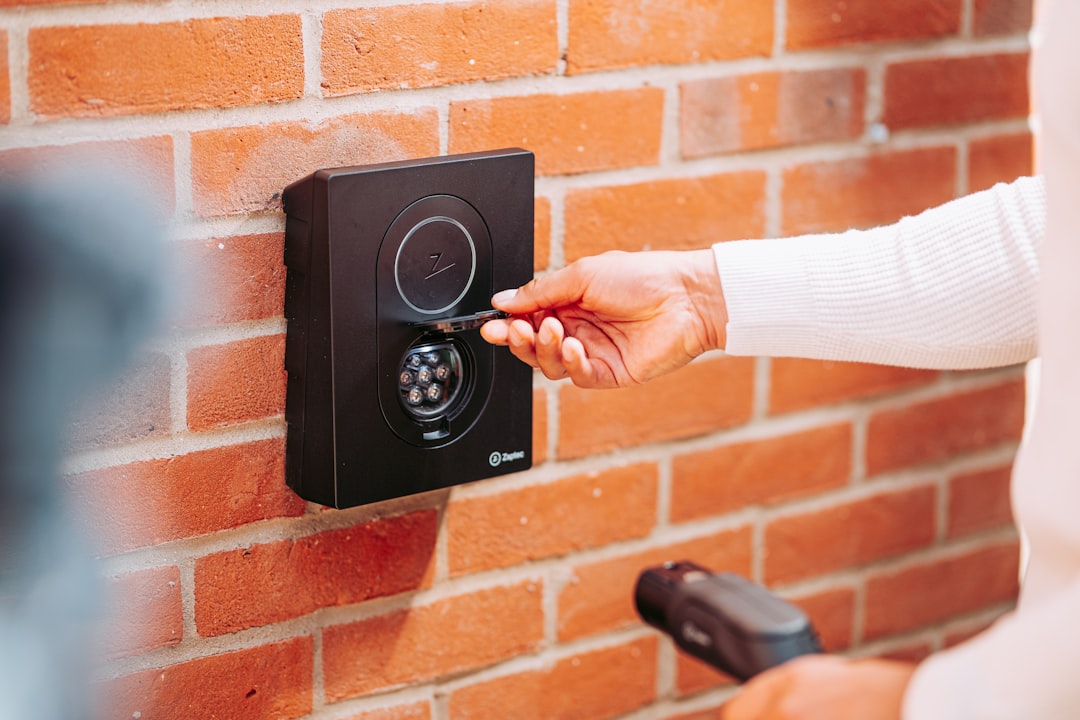
The "smart" irrigation market is currently in a state of chaotic transition. For every homeowner basking in the glory of remote-controlled lawn hydration, there is a frustrated technician staring at a valve box filled with mud, dead spiders, and the shattered dreams of a device suffering from connectivity issues, similar to a Ring Floodlight Cam going offline after an update. This gap—between the polished marketing of Silicon Valley smart-home brands and the brutal, sediment-heavy reality of residential plumbing—is where the real margin lies. Building a business in this sector isn't about selling hardware; it’s about managing the inevitable friction between software-defined logic and wet, aging infrastructure.
The Anatomy of the "Smart" Failure
Most residential irrigation systems are relics. They consist of PVC pipes buried in the 90s, solenoid valves prone to diaphragm failure, and wiring that has been chewed by rodents or severed by aerators. When a homeowner installs a modern smart controller—a Rachio, an Orbit B-hyve, or a Hunter Hydrawise—they aren't just installing a Wi-Fi device. They are attempting to impose a digital logic layer over a mechanical system that is barely hanging on.
The "arbitrage" here is simple: The homeowner wants the app to work, but the app cannot fix a calcified valve seat or a leaking manifold. You provide the bridge.
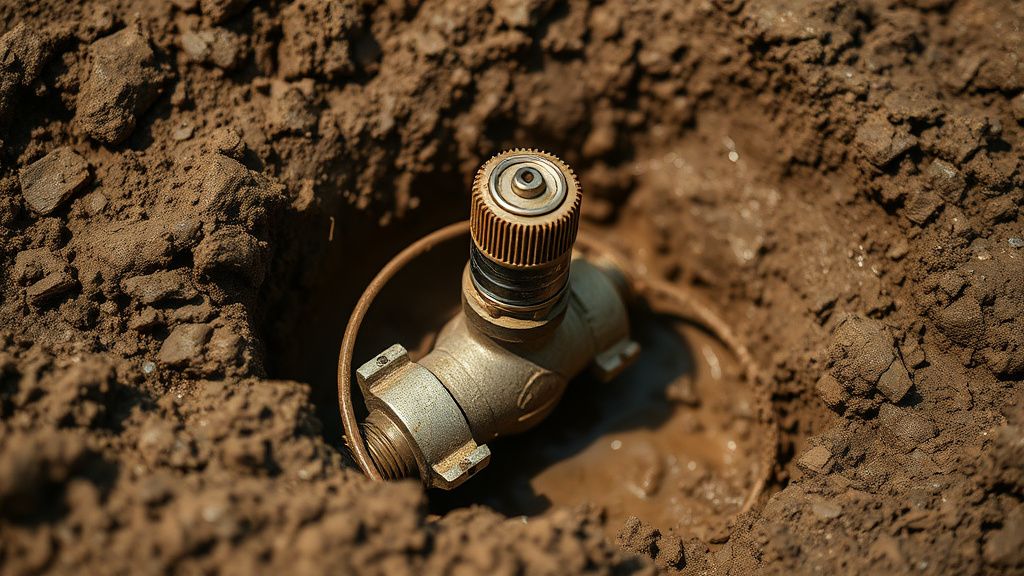
When you enter a property, you aren't an "installer." You are an infrastructure auditor. The high-margin play is in the system hardening phase. A $200 smart controller installation is a commodity. Replacing a 12-zone valve manifold, troubleshooting wire-path shorts using a tone generator, and configuring flow-sensing logic to detect micro-leaks before they turn into a $400 water bill? That is a premium service.
The Operational Reality: Why Tech Fails in the Dirt
System reliability in irrigation is inversely proportional to complexity. When you replace an analog "dumb" controller with a cloud-connected unit, you introduce three distinct failure vectors:
- The Connectivity Gap: These units rely on 2.4GHz Wi-Fi, which rarely reaches the garage or the side of the house where the controllers are usually mounted.
- The Power-Draw Discrepancy: Older valves often have solenoids with higher in-rush current requirements than newer, more efficient smart controllers can handle. You’ll see "Zone Fault" errors on apps, not because the wire is cut, but because the smart controller’s internal current sensor is too sensitive for the aging solenoid.
- Sensor Drift: Many smart controllers rely on local weather APIs. If your client lives in a micro-climate (like a coastal area or a valley), the "smart" adjustment based on regional weather data can result in an underwatered lawn in July.
Real Field Report: The "Ghost Zone" Phenomenon
In a recent project in a suburban tract in Arizona, a customer complained that their smart controller kept "turning on" Zone 4 at 3:00 AM. After exhaustive testing, the issue wasn't the controller’s code. It was a failing diaphragm in a 20-year-old valve that was experiencing "pressure chatter." The smart controller’s low-voltage signal was just enough to trigger a vibration in the worn-out internal rubber, causing the valve to pulse. The fix wasn't a software reset; it was an $80 valve rebuild kit and a lesson to the customer that their hardware was "dying," not "glitching."
The Economics of Maintenance: Moving Beyond the Install
If you are just doing installations, you are competing with every handyman who owns a screwdriver, failing to differentiate your service like a generic consultant who fails to scale because they don't understand why most ergonomics consultants fail to scale. You need to pivot to a Subscription-Based Maintenance Model.
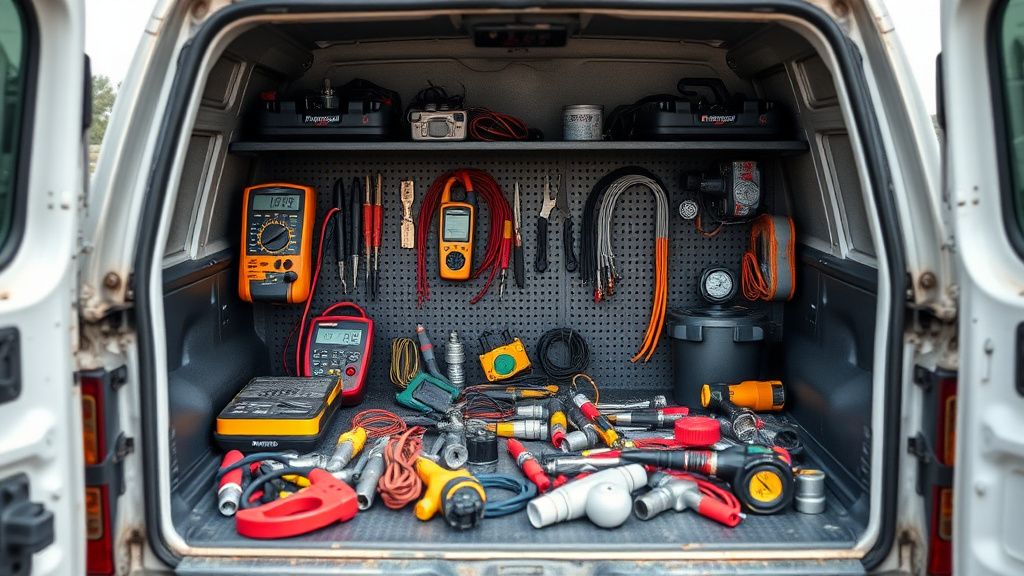
- The Seasonal Audit: Charge a premium to come out twice a year (spring start-up, winter shut-down). During these visits, you don't just turn valves; you run a digital diagnostics report, ensuring every component is optimized—much like ensuring high-end appliances are maintained to avoid complex failures, such as knowing how to fix a Roomba j7+ Error 30. Check the flow meter data for "unaccounted-for water" (leaks) and review the app’s historical logs.
- The Firmware Concierge: Most homeowners have no idea how to update their controller firmware or why they should. When a controller loses its Wi-Fi handshake, the system reverts to a default program—usually over-watering. That’s a liability. You offer a service to ensure the "smart" layer remains smart.
Counter-Criticism and Industry Debate
There is a vociferous segment of the landscape industry that argues against "Smart Irrigation" entirely. The "Old Guard" irrigation techs argue that these controllers give homeowners a false sense of security.
- The "Set it and Forget it" Fallacy: Critics point out that smart controllers, if configured incorrectly, can mask system failures. If a pipe bursts underground, the smart controller might just increase the run time to compensate for the perceived "dryness," effectively pumping thousands of gallons of water into the soil before the homeowner notices the bill.
- The Proprietary Wall: Another major criticism is the lack of open standards. If your client buys a brand that goes out of business or shuts down their cloud server (a trend we’ve seen in other IoT sectors), the controller becomes a brick. A "dumb" mechanical timer, by contrast, is eternal.
My take? The critics are right, but they are losing the battle. Consumers want the app. They want the data. As a professional, you don't fight the tech; you manage the risk. You tell your customers: "The software is a tool, not a technician. I am your technician."

Scaling the "Arbitrage"
How do you scale this? Don't go for 1,000 customers. Go for 50 high-net-worth homeowners who value the "set-it-and-forget-it" peace of mind.
- Standardize your hardware stack: Pick two brands (e.g., Hydrawise and Rachio) and master their APIs. If you are proficient in every brand, your labor costs will skyrocket because you’ll spend hours reading manuals on-site.
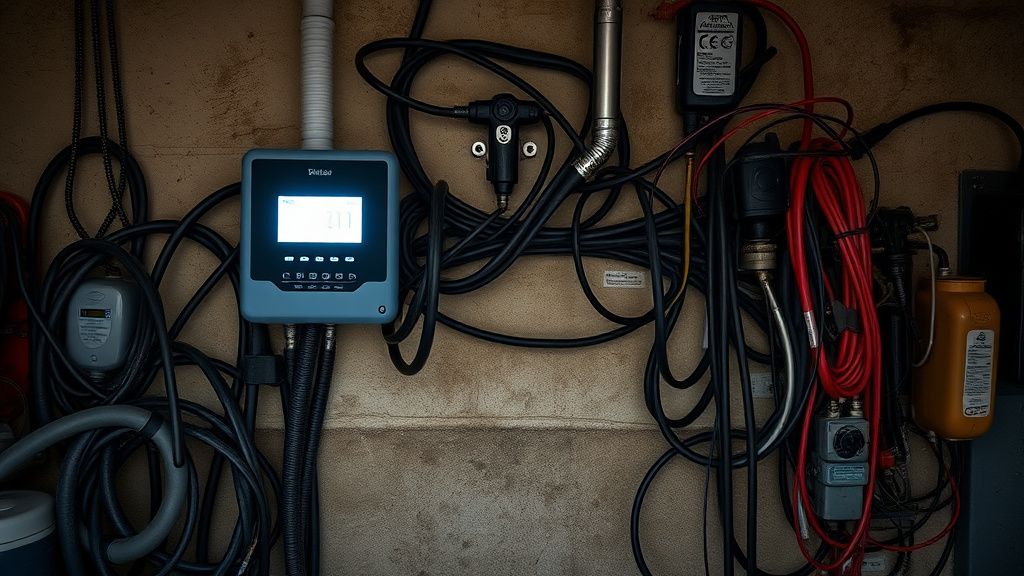
- The "Workaround" Culture: You will find that some controllers don't play nice with legacy sensors (like rain/freeze sensors). You need to be the expert who knows which resistors to wire in series to keep the "smart" brain happy. This is technical, messy work that prevents you from having to rip out entire systems.
Addressing the Infrastructure Stress
Smart controllers are often "smarter" than the plumbing they control. A modern controller might try to execute "cycle and soak" patterns to prevent runoff. This means the system turns on and off five times per session. For a new, high-quality solenoid, this is fine. For a 15-year-old valve, this is a death sentence.
When you take over a property, you must assess the Valve-Controller Compatibility. If the valves are ancient, build the cost of an "Infrastructure Refresh" into your quote. If you don't, you will be getting support calls at 2:00 AM every time a valve fails to close because the smart controller pushed it too hard.
FAQ
Is it really possible to make a high margin on something that feels like basic landscaping?
What if I don't know how to code or deal with networking?
Are these smart controllers actually saving water, or is that just marketing?
How do I handle client expectations when the internet goes down?
What is the biggest mistake newcomers make in this niche?
Final Thoughts: The Future of the "Wet" Internet
We are moving toward a world where every single mechanical system in the home will have an API. Irrigation was just the first to be disrupted because it’s relatively low-risk. The chaos you see today—the fragmented protocols, the firmware bugs, the "offline" notifications—is merely the growing pains of a sector shifting from manual labor to automated management.
If you view the chaos as a problem to be solved rather than a disaster to be feared, you are in a prime position. The "smart" irrigation market doesn't need more installers. It needs more systems integrators—people who treat the valve box with as much respect as the software dashboard. Don't build a landscaping company; build a water-management diagnostics firm. That’s where the longevity is. That’s where the margins actually stick.