
Scaling a modular home workspace business from a weekend gig to a high-profit firm is less about the quality of your desk builds and more about mastering the friction between DIY passion and industrial-grade project management. Success here isn’t measured by how clean your cable management is, but by how effectively you can replicate that cleanliness across fifty different client sites without losing your margin to “fix-it” labor costs, especially when How Your Home Office Lighting Is Killing Your Focus (And How to Fix It) is a primary service offering.
The Myth of "Organic" Scaling
Most workspace installation businesses start in a garage. You buy a miter saw, you post a few photos on Instagram, and suddenly you’re hanging pegboards for neighbors. This is the "Craftsman Trap." You optimize for the individual piece, not the system. Scaling requires a pivot from being a carpenter to being a logistics manager. When you move from one-off projects to firm-level operations, your biggest enemies are not poor tool quality or bad design, but context switching and unpredictable on-site variables.
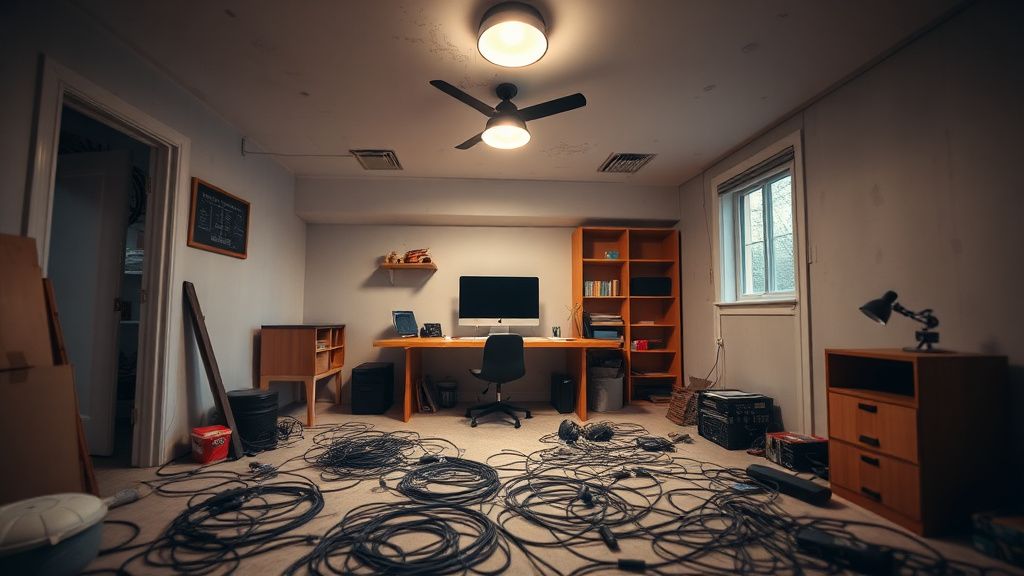
Phase 1: Standardizing the Chaos
If every project requires a unique solution, you don’t have a business; you have a series of stressful favors. To scale, you must develop a “Product Library,” a structured approach similar to how you would Master Building an Online Marketplace on Shopify: A Complete Step-by-Step Guide to streamline sales.
- The Modular Kit Approach: Stop selling “a desk.” Sell the "Level 1 Executive Suite" or "The Content Creator Modular Setup." When you limit the variables, you can pre-fabricate components in your shop.
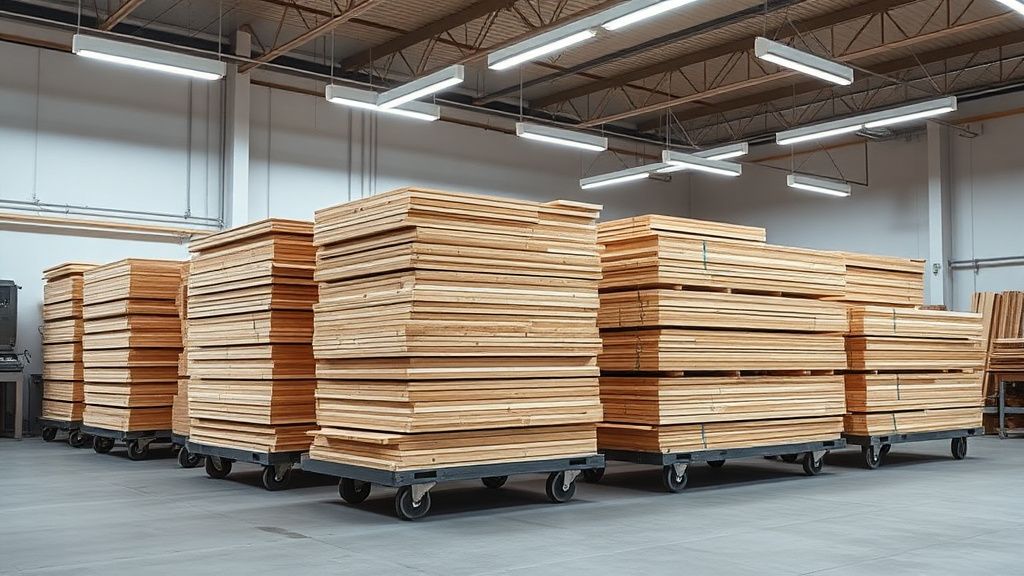
- The Off-Site Advantage: Every hour spent measuring, cutting, or drilling at the client’s house is an hour of lost profit. Your goal is to arrive at the site with components that are 90% complete. If you are doing significant wood cutting inside a client’s home, your processes are failing.
Operational Reality: The "Measure Twice" Fallacy
Even the best laser measures are useless if you don't account for the "settling" of older homes. Experienced installers know that residential floors are rarely level. If you build a fixed-height cabinet module assuming 90-degree corners, you will spend your entire afternoon shimming and swearing.
"We spent two years chasing the perfect flush-mount install before realizing that houses aren't squares. Now, we build 'floating' aesthetics that use shadow gaps to hide the fact that the client's walls are bowed by an inch. We don't fight the house; we design around its flaws." — Lead Installer, Northbound Modular Systems (Internal Slack Thread)
Phase 2: The Economic Shift (Margins vs. Volume)
Most DIY-turned-business owners look at the revenue on a project and think they’re doing well, yet they often fail to realize the importance of long-term infrastructure, such as when Building a High-Margin VPN Consultancy: From Infrastructure to Scaling or ensuring data integrity via Is Your Enterprise Data Rotting? Why NVMe NAND Refresh Cycles Are Now a Critical Service. They forget to account for amortized tool wear, vehicle fuel, insurance, and the "Hidden Tax of Perfectionism."
- The Perfectionism Tax: Clients will ask for small, “quick” changes. “Can you just move that outlet up three inches?” In a firm-level model, these requests are change orders with a fee. If you do them for free, your profit margin evaporates.
- Tiered Pricing: Move away from hourly rates. Charge per module. If your pre-fab installation takes three hours, charge for the value, not the time. If you get faster, your profit grows. If you stick to hourly, you are effectively penalizing yourself for being efficient.
Phase 3: The Human Element and Reliability Gaps
As you grow, you will hire. This is where most firms hit a wall. Your first hire will not be as careful as you. If your business relies on you being the secret sauce, it is not scalable.
- The Documentation Debt: If your process isn't written down in a way that an unskilled helper can understand, you are stuck, whereas having clear documentation allows you to adapt to modern shifts like The Future of Digital Luxury: How Fashion Brands Are Mastering Direct-to-Avatar Commerce. Create visual assembly manuals. Use a ticketing system for installations.
- The "Support Nightmare": A client’s monitor arm fails, or a drawer runner catches. If you don't have a clear post-installation support policy, you will find yourself driving across town to fix a minor issue, much like how homeowners often scramble when dealing with Cosori Air Fryer E3 Error: Easy Fixes for Sensor Malfunctions or unexpected iRobot Roomba Error 16: Quick Fixes for Navigation and Bumper Issues. $10 screw for free. Set a warranty period (e.g., 90 days) and stick to it. After that, it’s a service call.
Counter-Criticism: The "Pre-fab" Debate
There is a loud contingent in the woodworking community that argues modular systems are "sterile" and lack the soul of custom furniture. They claim that scaling makes you no better than a generic flat-pack company.
The industry reality, however, is that "soul" doesn't pay for health insurance or shop rent. The demand for home workspace installation is driven by productivity, not aesthetic artisanal purity. The firms that fail are the ones trying to provide 100% custom, hand-sculpted solutions to clients who just want to be able to sit down and record a Zoom call without seeing a pile of extension cords.
"The hardest part of the growth curve is when you realize your customers don't care about your joinery techniques. They care about cable management, lighting, and acoustics. If you’re spending three days on dovetail joints that get covered by a monitor base, you’re losing money." — Hacker News discussion on hardware startups.
Field Report: The Scaling Crisis (Case Study: "Builds-by-Design")
In 2021, a mid-sized firm, Builds-by-Design, tried to scale by expanding their geographic footprint. They attempted to manage three crews across different cities without centralized inventory.
The Result: Inventory drift. Crew A had surplus hardware that Crew B desperately needed. Communication devolved into a mess of fragmented group texts and lost invoices. The lack of a unified project management platform meant that clients were being billed different rates for the same modules based on which crew lead was in charge. They nearly went bankrupt within eighteen months due to overhead bloat.
The Lesson: Never scale your footprint before you scale your data architecture. If you can't track your inventory and labor costs on a single dashboard, you shouldn't be hiring a second crew.
Managing the Ecosystem of Tools and Tech
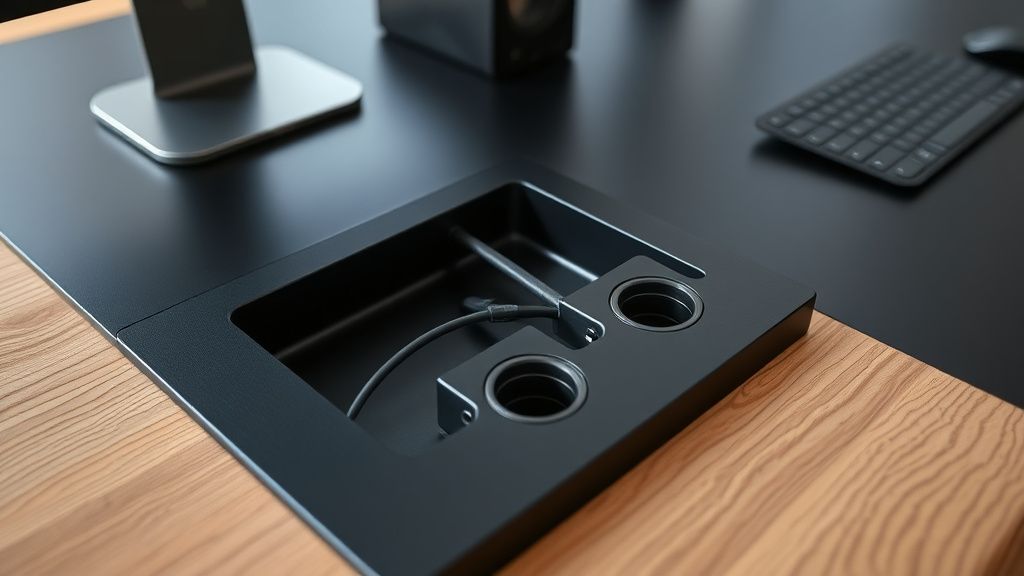
The modern home office is a tech-heavy environment. Your installation business isn't just wood and screws; it's about cable runs, Ethernet management, and power distribution.
- The API of the Office: You are the integrator. Understand that you are working alongside IT hardware. If your desk design blocks a signal or creates a heat pocket for a PC tower, you’ve created a technical issue for the client.
- The Workaround Culture: We see many installers on forums complaining about proprietary mounting systems from monitor arm manufacturers. The "pro" move is to build custom adapters. Never assume you can rely on the factory-provided hardware for a high-end installation.
Final Analysis: Is the Hype Real?
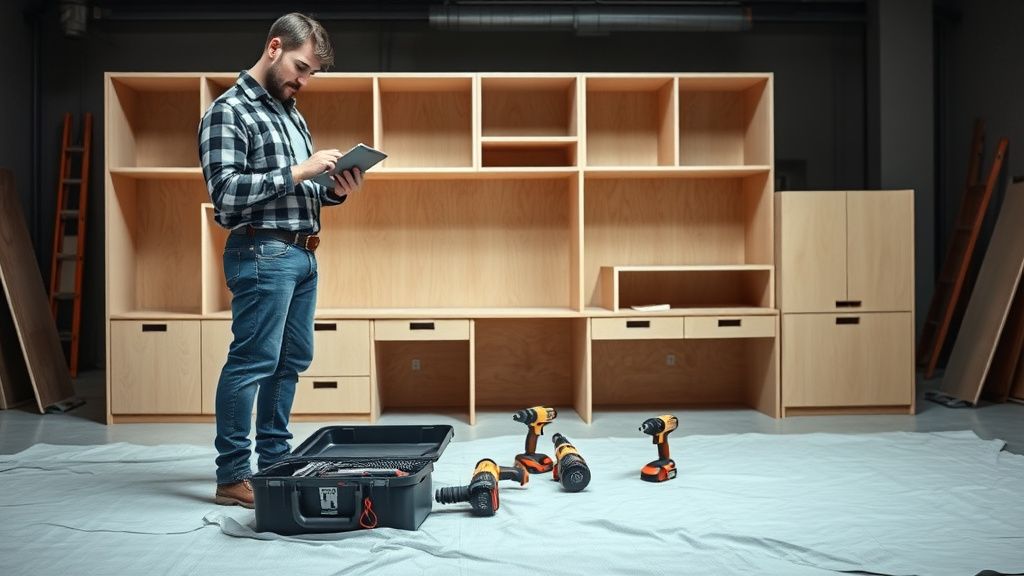
The demand for home office customization is not a passing fad; it is a permanent shift in how corporate and freelance labor functions. However, the market is becoming fragmented. You have the "Budget DIY" segment (IKEA hackers) and the "Luxury Architectural" segment. The middle ground—the professional-grade, modular, high-profit firm—is where the real opportunity lies.
The biggest risk? Burnout masquerading as growth. Many owners push for volume to prove their success, only to find they’ve created a monster that requires more administrative energy than actual creative output. If you want to scale, do it by increasing the value per client, not just the number of clients.