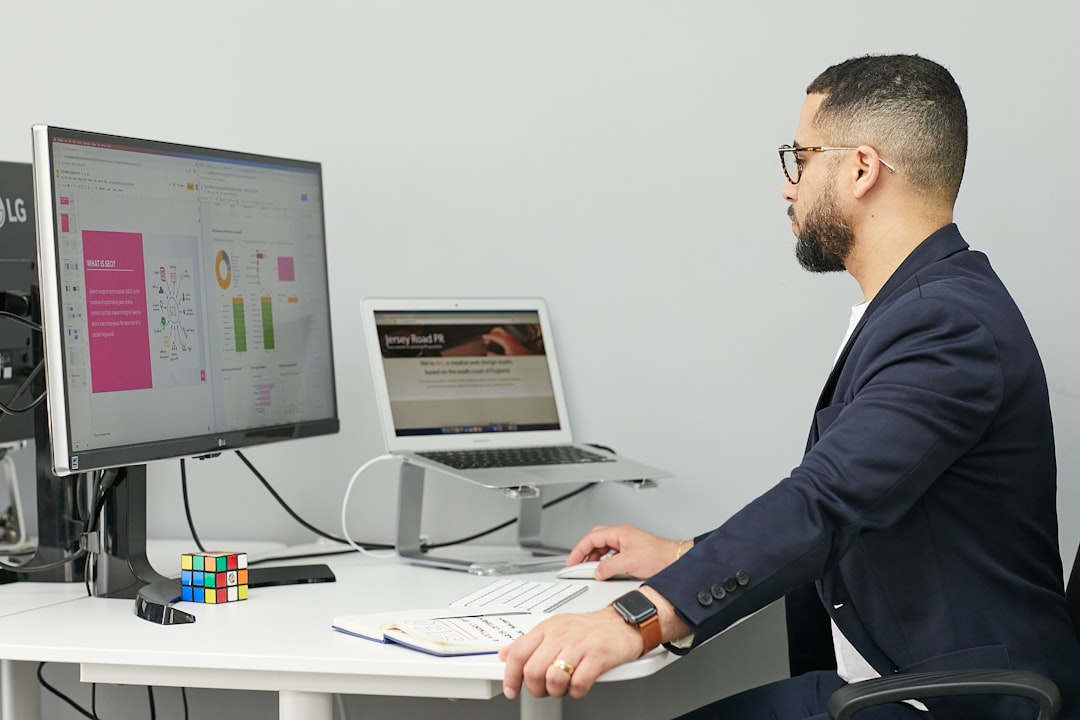
To build a high-ticket corporate ergonomic consulting practice, you must pivot from "office furniture sales" to "risk mitigation and productivity engineering." Success lies in converting subjective complaints into objective data via musculoskeletal diagnostic audits. Sell the reduction of long-term disability claims, insurance premium volatility, and the "presenteeism" tax rather than chairs or standing desks.
The Shift from Facilities to Risk Management
For the past two decades, "corporate ergonomics" has been treated as a procurement line item. HR managers order a fleet of adjustable chairs, scatter a few ergonomic mouse pads around, and tick the "employee wellbeing" box on their annual compliance audit. This is the low-tier commodity trap. If you are selling solutions based on retail catalog specs, you are competing with Amazon Business and Staples, much like the operational complexities highlighted in our guide on scaling commercial vertical farming.
To move into the high-ticket space—where contracts range from five to six figures for mid-sized firms—you must operate as an industrial engineer for the human body. Corporations do not pay $20,000 for a consultant to tell them their chairs are uncomfortable. They pay for a data-driven report that quantifies the Musculoskeletal Disorder (MSD) risk exposure across departments, mapping it directly to financial liabilities like Workers' Compensation premiums and lost-time injuries.

The Data-Driven Audit: Your Core Product
High-ticket consulting is entirely defined by the deliverable. A "walkthrough" is not an audit. A data-driven audit requires a methodology that is defensible under the scrutiny of an insurance claims adjuster or a legal department.
- Baseline Symptom Mapping: Utilize standardized tools like the Cornell Musculoskeletal Discomfort Questionnaire (CMDQ) or the Nordic Musculoskeletal Questionnaire, but digitized. If your data collection is still on paper or basic Google Forms, you are losing the battle for professional credibility.
- Kinematic Assessment: Use video-based postural analysis tools (e.g., RULA or REBA assessments) to score physical strain points.
- Financial Correlation: This is the "kill shot" in your sales pitch. You must correlate the symptom frequency with the specific work zones and equipment configurations of the client. When you can present a board-level slide showing that the "Accounting department displays a 42% higher risk score than the Sales department due to monitor height-to-desk-depth ratios," you have moved from a vendor to an essential service provider.
The Operational Reality: Why Most Firms Fail
Many consultants enter this space with a "holistic wellness" mindset. They hold workshops, talk about "mindful sitting," and try to sell lifestyle changes. This is a fatal mistake in a corporate environment. Corporate stakeholders are allergic to "wellness" fluff because it is hard to measure, a principle that also applies to financial planning; you should stop relying on the 4% rule and adopt smarter strategies instead. They are attracted to operational efficiency.
The biggest operational friction point is adoption. You can provide the most scientifically sound ergonomic setup, but if it disrupts the workflow, it will be discarded.
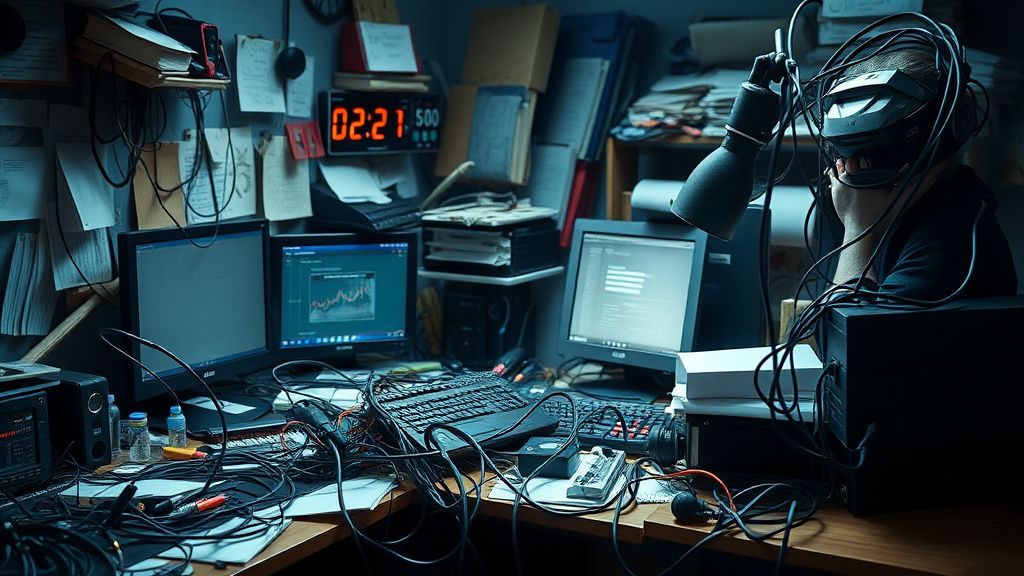
"The reality of office ergonomics isn't found in a textbook. It’s found in the fact that developers will bypass a $1,500 chair to hunch over a laptop on a standing desk because the cable management is so poor they can't move their mouse more than four inches without pulling a cord. We often prioritize the gear over the environment." — Anonymous ergonomics practitioner on a closed LinkedIn industry group thread.
The "Workaround" Culture: A Case Study in Friction
Consider a recent project for a mid-market financial firm. Our audit recommended specific dual-monitor arms to address neck strain. Three months post-implementation, we conducted a follow-up. 40% of the arms were disconnected or pushed to the back of the desks. Why?
The employees had integrated suboptimal workarounds, ignoring the ergonomic equipment much like a user might struggle with a faulty appliance if they don't know how to fix a Shark RV1001AE error 8 or troubleshoot a Cosori 5.8qt air fryer E1 error. tablets and personal devices into their workflows. The "official" ergonomic hardware didn't account for the "shadow IT" devices they were using to bypass company security or speed up their workflow. The employees had developed a workaround culture—propping laptops on reams of paper to get the height they needed, effectively rendering the expensive, fixed-arm ergonomic solution obsolete.
The Lesson: Never audit in a vacuum. Always audit the ecosystem—the cables, the charging docks, the peripheral hardware, and the unofficial work habits.
Debating the "Ergonomic Hype": The Counter-Criticism
There is a growing backlash against the "ergonomic industrial complex" in tech circles. On platforms like Hacker News and specialized subreddits, you’ll find significant pushback against high-ticket consulting. The argument is that "ergonomics" has become a pseudo-science used to justify expensive, unnecessary office furniture.
Critics point to the lack of long-term, peer-reviewed data proving that specific, high-end ergonomic chairs significantly reduce chronic pain more than a budget chair with proper back support. This is a valid critique you must be prepared to address.
How to defend against this:
- Acknowledge the variance: Admit that individual anthropometrics vary so wildly that "one-size-fits-all" is a lie.
- Focus on Adjustability vs. Price: Your value isn't the chair's price tag; it's the expertise required to adjust that chair to the individual's specific biomechanical profile.
- The "Human Factor" Argument: Pivot the conversation to Workstation Fatigue. It's not about the gear; it's about reducing the micro-movements that lead to fatigue at 3:00 PM.

Scaling Your Practice: From Freelance to Consultancy
If you try to perform every assessment yourself, your revenue is capped by your time. To reach high-ticket status, you must productize your process.
- The Software Stack: Develop or license a proprietary dashboard where clients can see their "Ergonomic Health Score" in real-time. If you cannot provide a visual, scalable dashboard, you are just a consultant with a clipboard.
- Certification Programs: Don't just do the audits. Train the facility managers to maintain the ergonomic baseline. Charge a retainer for "Annual Recertification Audits." This creates a recurring revenue model that is the hallmark of a mature consultancy.
- API Integrations: Can your audit data talk to their HR system? If you can integrate your risk-scoring metrics into their existing EHS (Environment, Health, and Safety) software, you become an integrated piece of their infrastructure, not an outside contractor that can be easily dropped when the budget tightens.
The Dark Side: Why Companies Hire (and Fire) You
It’s important to understand the political motivation behind your hiring. Often, you are hired as a defensive measure. A high-value worker has threatened to quit due to "chronic pain" or "unsafe working conditions." You are brought in to document that "the company did everything possible to provide an ergonomic environment."
This is a cynical but necessary reality of the field. You must maintain professional independence. If you become a "rubber stamp" for the company to justify keeping poor equipment, your reputation will eventually tank in the industry.

The Future of Remote Ergonomics: The New Frontier
The office is dead for many; the home office is the new reality. Scaling a high-ticket practice now requires moving into Remote Ergonomic Assessment. This is significantly harder. You lose the ability to physically measure the user.
You must rely on:
- Self-Reported Video Assessment: A structured workflow where employees film themselves at their desk.
- Machine Learning Posture Analysis: Using AI to analyze the video for common deviations (forward head posture, wrist extension).
- Virtual Coaching: Remote consultations are now the primary touchpoint. The challenge here is Engagement. Without the physical presence, the "follow-through" rate on your recommendations drops. You must build better support systems, such as automated follow-up emails, video tutorials, and Slack-based check-ins.
Final Thoughts on Professional Integrity
The line between a "scammer" selling $2,000 chairs and a "high-ticket consultant" providing health outcomes is purely based on the defensibility of your data. If you are looking to build a sustainable practice, stop pitching products. Start pitching a 5-year plan to reduce musculoskeletal claim liabilities.
The industry is full of people who think they can "consult" their way through a quick buck by selling fancy stools. Those people disappear within two years when the first round of layoffs happens. The survivors are those who become indispensable to the operations team, using data as their primary language.