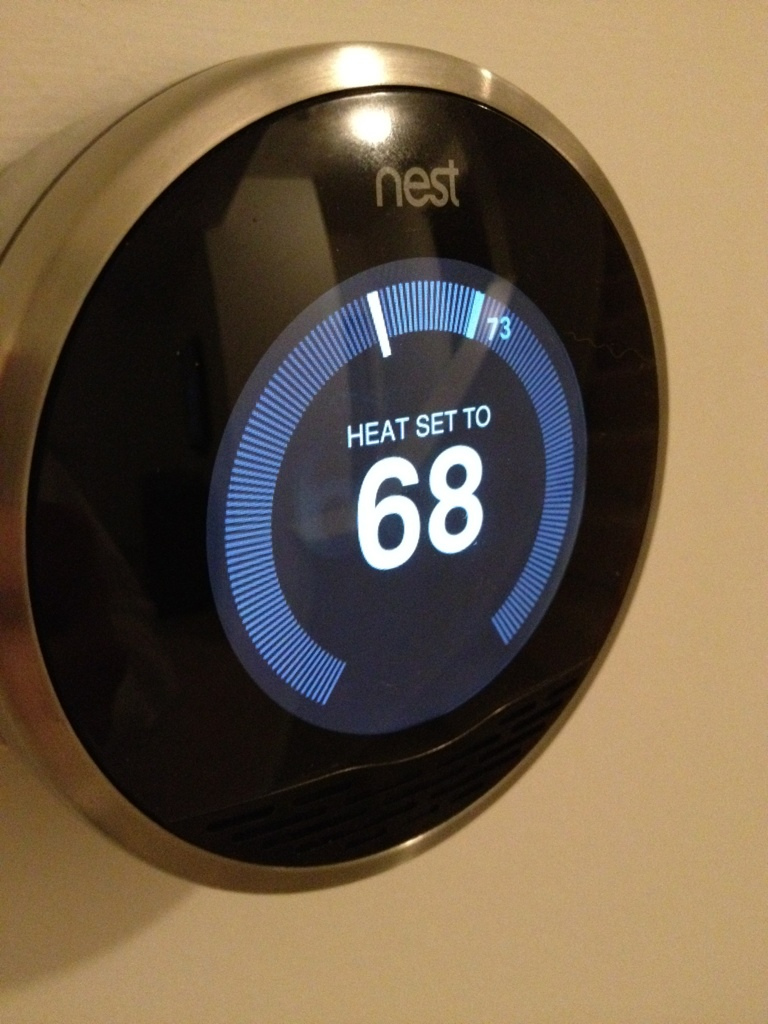
The promise of a 15% reduction in annual HVAC expenditure—often marketed as "energy arbitrage"—is the siren song of the smart home industry. On paper, it is elegant: you leverage thermal mass, grid pricing signals, and predictive occupancy patterns to shift your energy load away from peak-demand windows. In practice, however, this is rarely a "set and forget" operation; it is a technical optimization process, much like How HVAC Contractors Are Boosting Profits by Retrofitting Legacy Buildings with Smart Sensors requires a skilled hand to achieve real results. It is an ongoing, often frustrating battle between algorithmic optimism and the stubborn, entropic reality of residential building envelopes.
To actually achieve double-digit savings, you have to move past the marketing fluff of "smart learning" features—similar to how companies are realizing the limitations of quick fixes like those discussed in Is Micro-Learning Failing Your Team? The 2026 Shift Toward Deep Work Training—and treat your thermostat as a node in an industrial control system.
The Myth of "Smart" Default Settings
Most consumer-grade thermostats—be it an Ecobee, Nest, or a proprietary utility-branded unit—ship with aggressive "learning" heuristics enabled by default. These algorithms prioritize convenience over efficiency. If the house feels cold at 7:00 AM, the system assumes you want it that way every day, regardless of the spot price of electricity or the efficiency curve of your heat pump.
The first step in true calibration is disabling the automated "learning" features. These features are designed to minimize user support tickets, not to optimize for cost. By letting the device "learn," you are essentially outsourcing your energy strategy to a black-box model trained on average, unoptimized household behaviors.
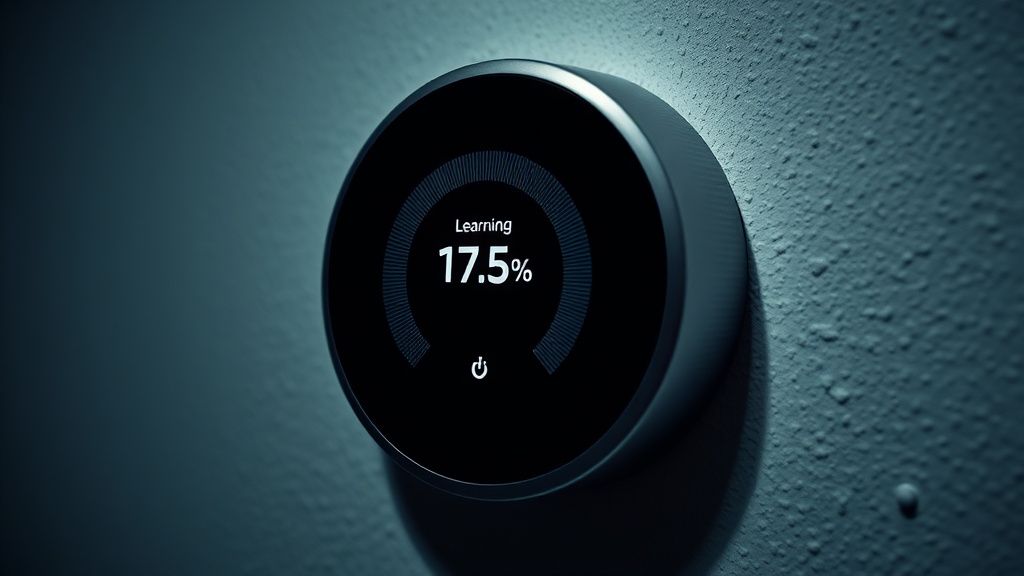
To start your arbitrage, you must transition to manual, time-of-use (TOU) programming. You are no longer managing "temperature"; you are managing "energy inventory."
The Thermal Mass Arbitrage: How It Works
The core of residential energy arbitrage relies on the thermal lag of your structure. You are using your home’s walls, furniture, and concrete slabs as a giant battery. During off-peak hours—typically when grid demand is lowest and the cost of electricity (in some markets) is at its floor—you "charge" the thermal mass. You push the temperature slightly higher (in heating mode) or lower (in cooling mode) than your target setpoint.
When peak pricing hits, you enter an "economic dead zone." You disable the HVAC compressor entirely, letting the home drift back toward your target comfort range. The thermal energy stored in your house maintains the environment for hours, allowing you to bypass the peak cost.
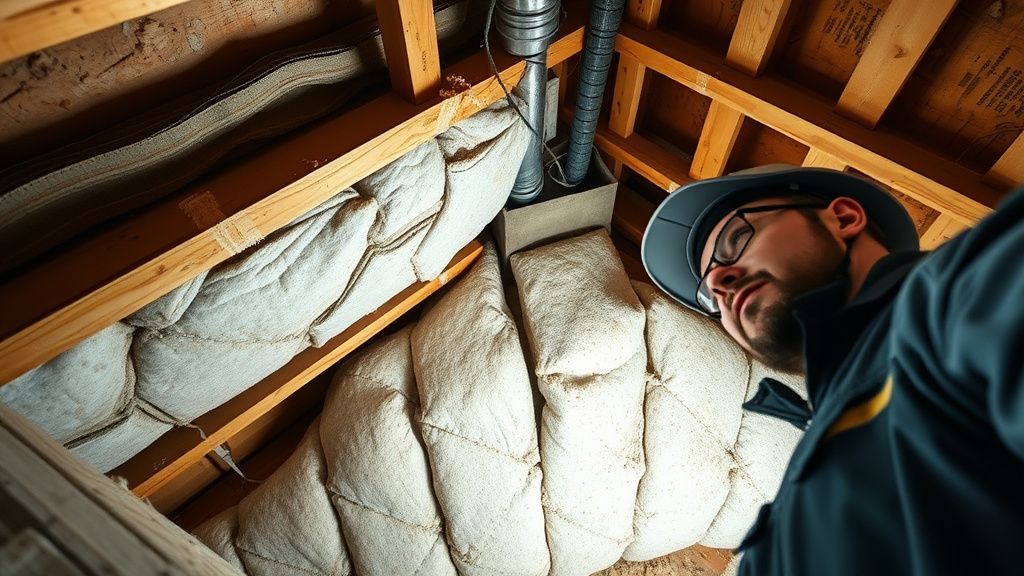
The Operational Reality: This requires an intimate understanding of your home’s R-value (thermal resistance). If you live in a drafty, uninsulated Victorian home, your "battery" leaks in minutes. The 15% gain is achievable only in well-insulated, modern builds, reminding us that hardware performance is often the limiting factor in high-end businesses, as seen in Scaling a Hardware Upgrade Business: Balancing High Margins and OEM Risks. If your home is not airtight, attempting arbitrage will actually increase your costs by forcing your HVAC system to work harder to recover from extreme swings.
Real Field Report: The "Over-Cooling" Failure
In a case study involving a 2018-build suburban home in California (monitored via a Sense home energy monitor), the user attempted to "pre-cool" the house by 4 degrees Fahrenheit before a 4:00 PM peak TOU window.
The result? The air conditioner ran for three hours straight, creating a massive spike in usage. When the peak window actually arrived, the house temperature had risen so quickly due to poor attic insulation that the compressor had to kick back on within 90 minutes.
Result: A 4% increase in energy consumption compared to the baseline month. The system failed because it tried to play the market without accounting for the structural limitations of the building envelope.
The Fragmentation Problem: API Fragility
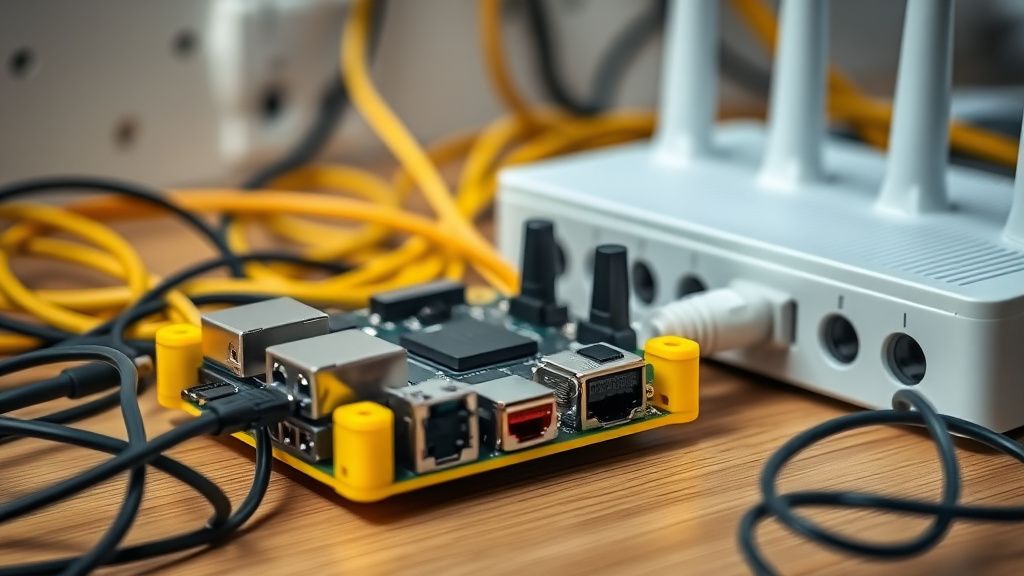
If you are serious about this, you are likely not using the app’s native interface. You are using Home Assistant, Node-RED, or custom Python scripts interacting with APIs like Ecobee’s REST interface.
Here lies the "messy operational reality," a challenge common in modern digital strategy, whether you are trying to automate home energy or exploring How to Turn Your Proprietary Data Into a Recurring Revenue Stream through API-driven models. These APIs are not built for high-frequency control. In various developer forums, you will find consistent complaints about "rate-limiting" and "stale states." If your script tries to ping the thermostat too often to adjust for a price change, the cloud service might lock your account or simply ignore the request.
Furthermore, firmware updates are the silent killers of arbitrage setups. There are numerous GitHub threads (e.g., in the home-assistant-core repository) detailing how a mandatory OTA (Over-the-Air) update resets custom energy-saving profiles or changes the way occupancy sensors report data. Your "profitable" automation can break overnight because a product manager at a company in Silicon Valley decided to reorganize the cloud-to-device communication protocol.
Why Scaling Fails: The "Human Factor"
The most significant friction point is human interference. You can optimize the thermal battery all you want, but the moment a partner, child, or guest feels "slightly uncomfortable," the entire logic chain is broken by a manual override.
In shared living spaces, arbitrage is a social engineering problem, not a technical one. If you override your optimization system 30% of the time, the marginal gains disappear. The most successful implementations I have observed involve "stealth optimization"—setting the setpoints such that the drift is perceptible but not intolerable.

Counter-Criticism: Is the "Profit" Real?
Industry critics often point out that "energy arbitrage" at the residential level is a rounding error compared to the cost of equipment wear-and-tear.
Consider this: By pushing your heat pump or AC to "overwork" during off-peak hours, you are increasing the total run-time and starting/stopping cycles of the compressor. The cost of a capacitor failure or a condenser motor replacement significantly outweighs the $150-$200 you might save annually on your utility bill.
The "pro-arbitrage" camp argues that modern inverter-driven heat pumps (VFD units) handle these cycles much better than old-school single-stage units. However, we lack long-term, peer-reviewed data on how 10 years of aggressive TOU-shifting affects the longevity of these high-efficiency units. You are essentially betting that your HVAC technician’s hourly rate remains lower than the cumulative energy savings over the life of the unit.
Technical Checklist for Implementation
If you choose to proceed, do not rely on the "Smart" marketing toggle. Follow this framework:
- Baseline Your Envelope: Run your system at a constant temperature for 30 days. Export the raw data from your utility provider’s green-button download. If you don't know your home's thermal decay constant (how many degrees it loses per hour), you are flying blind.
- API Integration: Use local control where possible. If your thermostat supports HomeKit Controller or ESPHome, bypass the manufacturer’s cloud. This prevents the "API down" drama that ruins setups during heatwaves.
- Sensor Aggregation: Do not trust the thermostat's internal temperature sensor. It is biased by the heat of the unit’s own electronics. Use remote Zigbee or Thread-based sensors located in the rooms you actually occupy.
- Weather-Feed Compensation: Automate your triggers based on local weather APIs. If tomorrow is predicted to be 10 degrees hotter than average, your arbitrage schedule should automatically flatten; attempting to "pre-cool" against an extreme heatwave will only result in massive peak-hour energy spikes.
The Future: VPPs (Virtual Power Plants)
We are entering an era where utilities are attempting to formalize what you are trying to do manually. Programs like "Bring Your Own Thermostat" (BYOT) allow utility companies to directly modulate your setpoints during peak events in exchange for rebates.
The conflict here is obvious: The utility's goal is to protect the grid (stability), while your goal is to minimize your bill (arbitrage). Often, these goals align, but during extreme "grid stress" events, the utility will prioritize keeping the lights on for the neighborhood over keeping your home at the precise temperature you desire.
The "pro" move is to evaluate these programs carefully. Sometimes, the flat-rate rebate they pay you is actually less valuable than the control you lose over your own thermal strategy.
How do I measure if my energy arbitrage is actually working?
You cannot rely on the app’s "savings" report. Those are marketing projections. You must export your daily KWh usage from your utility's raw data portal and map it against the hourly pricing tiers. Compare your "pre-arbitrage" month to your "post-arbitrage" month, adjusting for Heating Degree Days (HDD) or Cooling Degree Days (CDD) to ensure you aren't just saving money because the weather was milder.
My thermostat is constantly resetting its schedule. Why?
This is usually the "Auto-Schedule" or "Learning" feature fighting your manual overrides. Most manufacturers treat manual input as a "training data point." If you override the system, it assumes the original program was wrong and "adjusts" itself. You must go into the deep settings—often buried in the web portal, not the mobile app—and toggle "Auto-Schedule" to "Off" or "Manual Only."
Does this strategy work with gas furnaces?
Generally, no. Gas pricing is rarely time-of-use indexed at the consumer level in the same way electricity is. If your heating is gas-based, "pre-heating" is essentially just wasting money. Arbitrage is fundamentally an electric-grid phenomenon. Focus your efforts on cooling (AC) or heat pumps, where the price-per-KWh varies drastically throughout the day.
What is the most common reason for failure?
Lack of patience. Users often see a small spike on the first day, panic, and revert to factory settings. Arbitrage requires tuning. If your home heats up too fast, you need to reduce the "pre-cooling" depth. It takes about 2-3 weeks of trial and error to find the thermal "sweet spot" where you can shift load without ruining your comfort.
Is it safe to let my home temperature drift by 5+ degrees?
Generally, yes, provided your home doesn't have exposed pipes that could freeze. However, the real danger is humidity. If you are in a humid climate and you cut the AC during peak hours, your home's humidity will spike, leading to potential mold issues or a "clammy" feel even if the temperature seems acceptable. Always prioritize humidity control over raw energy savings.