The E15 error code on a Bosch 800 Series dishwasher is a diagnostic trigger indicating water accumulation in the base pan—a safety mechanism designed to prevent flooding. While it often signals a simple seal leak or a loose hose, it can also mask complex pump failures or sensor malfunctions that require systematic disassembly and hardware verification to resolve.
The Mechanics of the Leak Detection System and Sensor Sensitivity
The Bosch 800 series is lauded for its "CrystalDry" technology and whisper-quiet operation, but these premium features rely on a tightly sealed environment. When an E15 error triggers, the dishwasher’s control board detects that the float switch—a small, physical sensor located at the very bottom of the appliance—has been engaged by water.
Unlike newer IoT-connected appliances that might ping your phone with a specific diagnostic code, the E15 is a "dumb" but effective binary trigger: the circuit is either open or closed. If there is water in the base pan, the float rises, the switch engages, and the machine enters a permanent drain cycle, refusing to accept new commands.
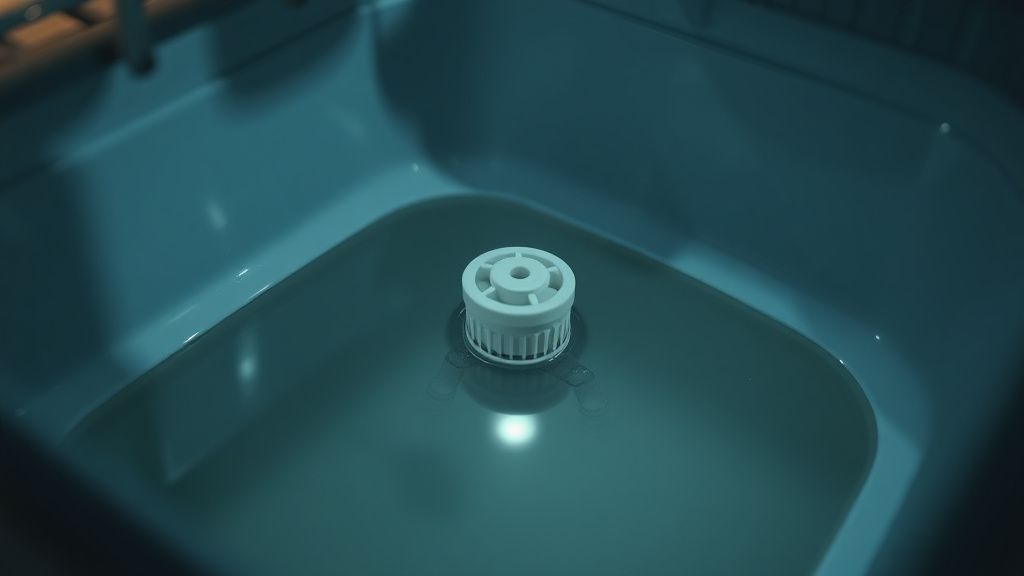
The operational reality here is often less about a catastrophic failure and more about "maintenance creep." Over time, the internal seals—particularly the circulation pump grommet—degrade. On forums like ApplianceBlog and Reddit’s r/Appliances, users frequently report that this error appears after a specific cycle, often linked to high-temperature sanitizing cycles that stress the rubber gaskets.
Diagnosing the Root Cause: Beyond the "Tilt Trick"
You will inevitably find advice across the internet suggesting the "tilt trick": leaning the dishwasher back to drain the water from the base pan, allowing the sensor to reset. While this works to clear the error, it is a dangerous workaround. It clears the symptom but ignores the structural failure.
To conduct a proper audit, you must remove the unit from the cabinetry. Once the side panels are off, the complexity of the Bosch engineering becomes apparent. You aren't just looking for a leak; you are looking for evidence of mineral buildup (limescale) that suggests a slow, long-term leak rather than a sudden burst.
Key Areas of Hardware Vulnerability:
- The Circulation Pump Gasket: This is the primary culprit in 70% of reported cases. The friction of the motor against the sump housing, combined with the extreme heat of the 800 series drying cycle, causes the rubber to harden and crack.
- The Drain Pump Hose: Often, the clamp securing the hose to the drain pump vibrates loose over years of use. If you see white powdery residue around the connector, that is your smoking gun.
- The Sump Seal: This is the "nuclear option" of repairs. If the primary seal between the sump and the stainless steel tub is compromised, you are essentially looking at a total teardown of the dishwasher's cleaning unit.
Real Field Report: The "Hidden" Failure of the O-Ring
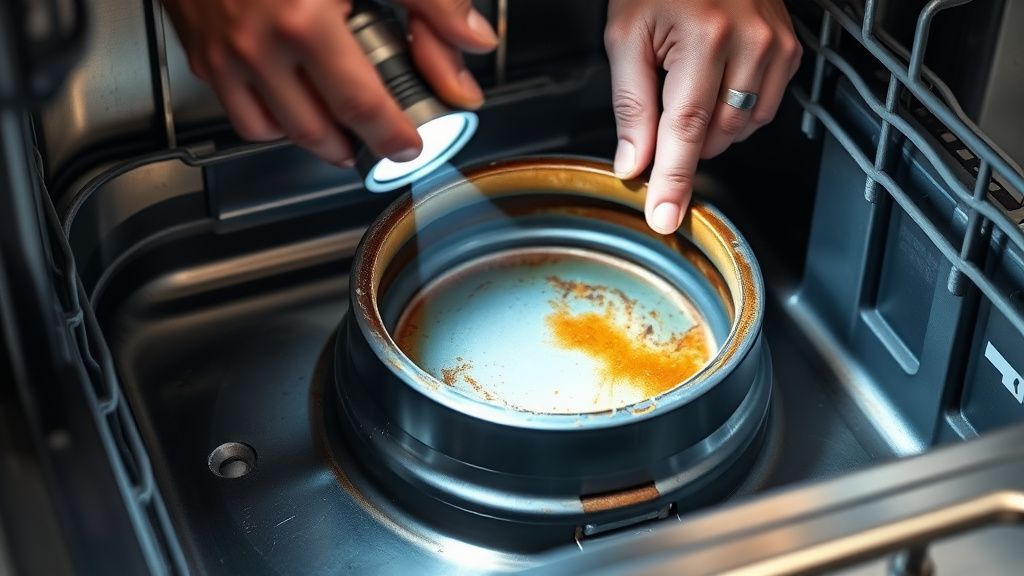
In a recent thread on a prominent technician community forum, a service tech noted: "I see these units brought in where the owner has replaced the entire pump, but the E15 comes back in two weeks. They ignore the microscopic scoring on the stainless steel tub itself, where the gasket sits. If the steel is pitted from years of hard water, no amount of tightening will seal that gap."
This highlights a critical failure point in consumer perception: the belief that all repairs are plug-and-play. In reality, the 800 Series is a high-tolerance machine. When a gasket fails, it isn't always because the rubber is "bad"; it’s because the surface it seals against has been compromised by chemical erosion from detergents or mineral deposits from the water supply.
Counter-Criticism: Is the Design Inherently Flawed?
There is a significant debate among repair professionals regarding the Bosch 800 Series architecture. Critics argue that the "base pan" design is a form of planned obsolescence, or at the very least, an over-engineered solution to a problem that could be solved with better material science.
Proponents, however, argue that without the base pan design, the high-temperature condensation drying—which makes the 800 Series a market leader—would be impossible to safely manage. The irony is that the features consumers pay a premium for (the intense heat of the drying cycles) are exactly what accelerate the degradation of the seals that keep the E15 error at bay.
Step-by-Step Diagnostic and Mitigation Workflow
If you are facing an E15 error, do not rush to purchase a new pump. Follow this diagnostic logic:
- The Physical Inspection: Turn off the power at the breaker. Use a turkey baster or a shop-vac to remove the standing water from the base pan. Do not just tip it; if you tilt it too far, you risk damaging the delicate wire harnesses routed along the back.
- Dye Testing: Before disassembling the pump, pour a small amount of dyed water into the sump area while the unit is out of the cabinet. Use a bright LED light to trace the source of any drips. Often, the leak is not the pump, but a seam in the plastic sump housing that has developed a hairline crack.
- Sensor Continuity Check: Use a multimeter to check the float switch. If the switch remains closed even when the pan is dry, you have a failed sensor, not a leak. This is a rare edge case, but it happens.
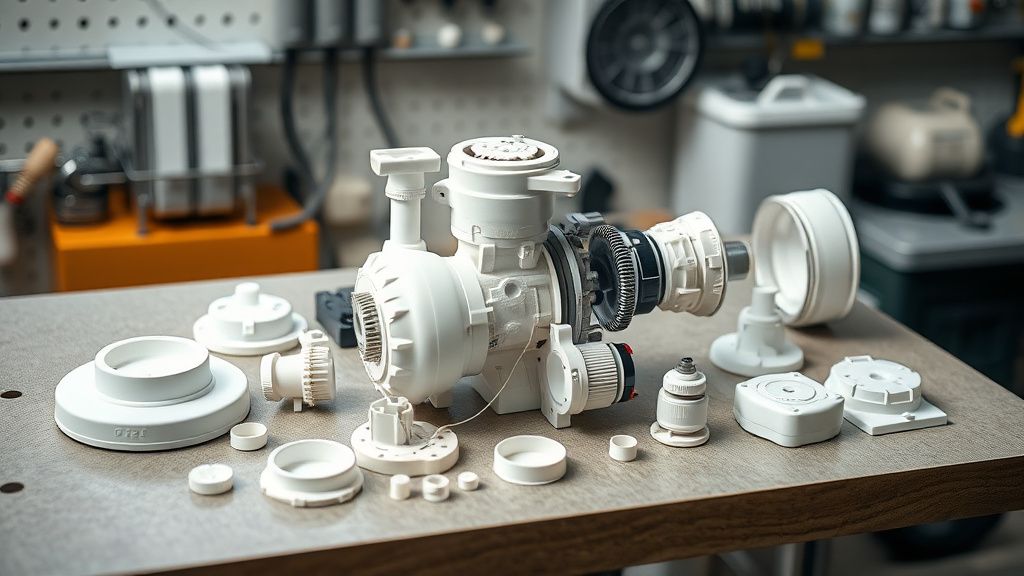
- Hardware Verification: Check the Drain Pump (Part #00600078 or equivalent). Ensure the housing is not warped. If you detect any play in the impeller shaft, the pump assembly has failed mechanically.
The Impact of Water Quality on System Longevity
We often overlook the "Input Variable": the home’s water chemistry. Bosch units are famously intolerant of extreme water hardness without a properly tuned water softener. If you live in an area with high TDS (Total Dissolved Solids), the scaling on the heating element and the sump seals happens much faster.
Users who neglect to maintain the salt reservoir in their Bosch 800 Series units essentially turn their dishwashers into sandblasters. The scale particles get caught in the pump seals, acting as an abrasive paste that grinds the gaskets down from the inside.
Engineering Compromise: The Support Nightmare
From a support perspective, the Bosch 800 Series is a paradox. It is designed to be "user-serviceable" in theory, but in practice, it is a labyrinth of T20 Torx screws, plastic clips that snap if you look at them the wrong way, and hidden wire runs that are nearly impossible to route back correctly without a service manual.
- Community Frustration: On GitHub and various DIY repair boards, you will find users lamenting the lack of official documentation. "The manual tells you how to load the dishes, but it won't tell you the torque specs for the pump housing," one user noted on a GitLab issue tracker dedicated to appliance repair schematics.
- The Workaround Culture: Because official parts can be back-ordered for weeks, a "workaround" culture has emerged. People are using food-grade silicone grease (plumber’s grease) on existing gaskets to extend their life. While this can work as a temporary fix, it is a high-risk strategy. If the silicone degrades, it can clog the drain pump, creating a new, more expensive problem.
Why does my Bosch 800 Series leak only during the drying cycle?
The drying cycle in an 800 Series utilizes high temperatures and air pressure changes to move moisture. If your seals are marginal, the change in pressure and the thermal expansion of the housing can open a microscopic gap that remains closed during the cold wash cycles.
Is the E15 error always a hardware leak?
In very rare cases, an E15 can be a "false positive" caused by excessive sudsing. If you have accidentally used standard hand-dish soap instead of dedicated dishwasher detergent, the resulting foam can overflow into the base pan, triggering the sensor. Always check for soap bubbles before assuming a hardware failure.
Can I bypass the float switch to keep the dishwasher running?
Absolutely not. The float switch is a critical safety component. Bypassing it would allow the unit to continue filling even if there is a massive leak, potentially causing significant water damage to your kitchen flooring or subfloor.
Why is the repair cost for an E15 error so high in quotes?
Professional repair shops charge for the labor of moving the unit. Because of the weight and the sensitive nature of the hose connections, pulling a built-in Bosch 800 out of a granite-countertop kitchen is a two-person job that involves plumbing and electrical disconnects. You are paying for the risk of moving the appliance as much as the repair itself.
Should I just replace the dishwasher if I get an E15 error?
If the unit is under 5 years old, a pump or seal replacement is usually cost-effective. If the unit is nearing the 10-year mark, you must consider the "Component Cascade." If the pump seals are failing, it is highly likely the diverter valve, the heat exchanger, or the main control board will face similar age-related failures soon.
Final Thoughts on Systemic Reliability
The Bosch 800 Series remains a triumph of industrial design, but its E15 error is a reminder that in the world of high-end appliances, sophistication is the enemy of simplicity. The more complex the system, the more points of failure exist.
If you choose to perform this repair, you are engaging in a process of forensic maintenance. Do not approach it with the goal of "fixing" it in an hour. Approach it as a process of identifying why the engineers’ tolerances were exceeded by your home’s specific environment. Document your process, use an organizer tray for the dozens of screws you will remove, and accept that some seals, once broken, are never quite the same.
In the end, the E15 isn't just an error code; it is a diagnostic lesson in the interplay between high-pressure heat, mineral-laden water, and the fragile rubber gaskets that hold it all together. Keep your water soft, keep your seals clean, and don't trust the tilt.