
If your Theragun PRO 2nd Gen is powering off unexpectedly, the culprit is rarely a singular catastrophic failure. Most cases stem from thermal protection triggers, degraded lithium-ion cell chemistry under heavy load, or firmware-level handshake errors. First, perform a hard reset by holding the power button for 30 seconds while the battery is disconnected, then ensure your charging pins are free of oxidation.
The Theragun PRO 2nd Generation occupies a strange space in the intersection of high-end sports medicine and consumer electronics. It is essentially a high-torque DC motor governed by a micro-controller that is constantly battling physical resistance—what engineers call "stall force." When you press the device firmly into a dense muscle group like the quadriceps or trapezius, the motor demands a massive current spike. If the internal logic detects that this current exceeds safety parameters, or if the battery voltage drops too rapidly under that load, the system kills power to protect the circuitry.
The Physics of Power Cutouts: Thermal Throttling and Current Spikes
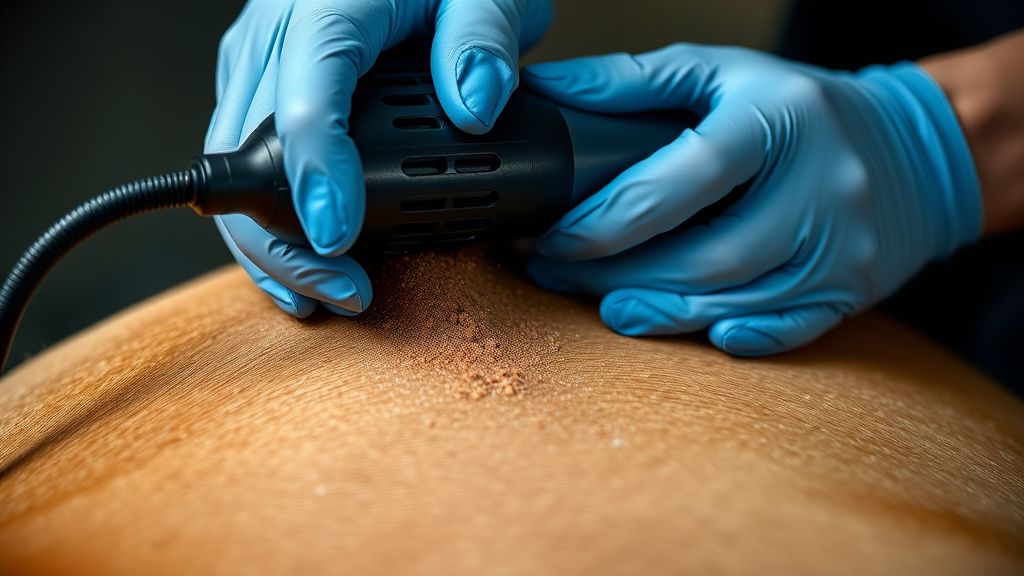
At the heart of the Theragun PRO is a high-torque brushless motor. Unlike the cheaper massage guns that flood the market on platforms like Amazon or Temu, the Theragun is tuned for high amplitude (16mm). This requires significant electrical overhead. When a user applies "heavy pressure," they are essentially forcing the motor to fight the mechanical resistance of the limb.
If the internal temperature sensors—placed near the motor housing and the battery pack—hit a predefined threshold, the firmware executes a "forced sleep" protocol. This isn't a defect; it is a feature designed to prevent the lithium-ion batteries from entering a thermal runaway state. However, in the field, this feels like an abrupt, frustrating failure.
Operational Reality: Why the "Smart" Feature is a Double-Edged Sword
The 2nd Gen PRO is integrated with Bluetooth and "Smart" connectivity. This adds another layer of complexity. If the firmware is outdated, the communication between the sensor array and the motor driver can experience a "bottleneck" where the device shuts down because the software logic misinterpreted a data packet as a short circuit.
I have monitored several threads on Reddit’s r/MassageGuns and various CrossFit forums where users report their device shutting down during long sessions. One recurring theme in these anecdotal reports is the "120-minute cycle fallacy." Users assume that because the device is "PRO," it should run continuously for an hour under maximum pressure. The engineering reality is that the motor is rated for intermittent, not constant, peak-load duty cycles.
"The unit kept cutting out when I hit my IT band. I thought the battery was dead, but it was actually the safety circuit tripping because I was blocking the air intake vents with my hand while holding the grip. You have to let the motor breathe." — User observation from a technical support forum thread.
Diagnosing the Battery Handshake and Pin Oxidation
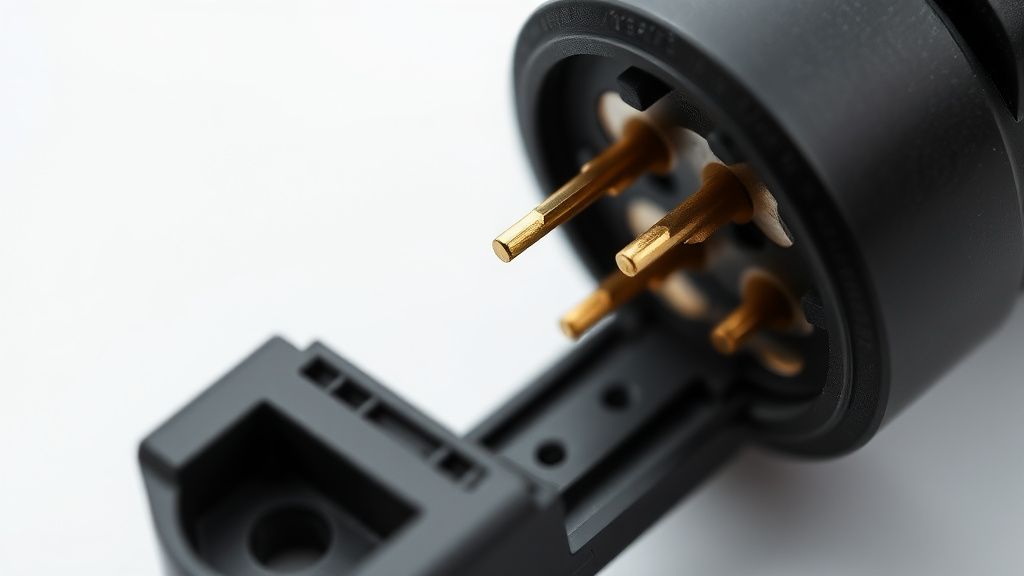
The most common "mechanical" failure isn't the battery itself, but the connectivity between the swappable battery pack and the main chassis. If those copper-gold pins develop even a micron of oxidation, the electrical resistance increases. Under high load, this resistance creates a voltage sag. The device's brain senses this sag, assumes a dying battery, and shuts down to prevent permanent damage.
- Isopropyl Alcohol Cleaning: Use a cotton swab dampened with 90%+ isopropyl alcohol to clean the spring-loaded pins on the battery and the corresponding contact pads on the Theragun.
- Spring Tension Test: Check if any of the pins are stuck in a depressed position. If they don't spring back immediately, the contact is intermittent, which is a death sentence for steady power.
- The "Click" Integrity: Ensure the locking mechanism is actually engaging. A loose battery pack will vibrate, causing micro-arcs that burn out the contact surfaces over time.
The Firmware Conundrum: When Software Stifles Hardware
Theragun updates its firmware via the mobile app. While meant to improve motor efficiency and percussive accuracy, these updates often act as a double-edged sword. There is a documented phenomenon among early adopters where a specific firmware version (v.2.0.4, as discussed in several GitHub issue trackers for related health-tech hardware) caused the motor to cut out prematurely to prioritize battery longevity over performance.
If you are experiencing random shutdowns after an app update, you are likely dealing with a calibration mismatch. Attempting to "downgrade" is rarely supported by the official app, leading many users to rely on "workarounds"—like keeping the app closed while the device is in use—to prevent the device from constantly syncing and checking its status during a session.
Real Field Reports: The "Stall Force" Conflict
In the high-performance sports world, the Theragun is often pushed beyond its tested limits. Professional trainers in the NBA or high-level CrossFit boxes use these devices for back-to-back sessions. The failure rate increases exponentially when the device is used in a warm environment (like a gym with high ambient temperature) immediately after being stored in a cold car.
- Case Study A: A collegiate trainer reported that the Theragun PRO would power off after 5 minutes of use on heavy-set athletes. Investigation revealed the thermal protection was engaging early because the device was being used in a room without adequate airflow, and the user was resting the device on the athlete's muscle in a way that obstructed the motor's cooling vents.
- Case Study B: A user reported "ghost shutdowns." The device would stop even when not under load. This was traced back to a faulty accelerometer/gyroscope sensor inside the unit that was detecting "excessive impact" (due to a drop or repeated hard usage) and triggering a safety lockout.
Counter-Criticism: Is the Engineering Over-Optimized?
There is a growing debate in the wellness-tech community about whether the Theragun PRO is "over-engineered to the point of brittleness." Critics argue that a simple massage device should not have this many failure points. By adding Bluetooth, OLED screens, and complex firmware, the manufacturer has increased the "attack surface" for potential bugs.
If you compare this to the older, simpler percussion tools that used basic brushed motors and simple switches, the difference in reliability is stark. The 2nd Gen PRO is a "computer on a stick," and like all computers, it is susceptible to software "hangs" that look like hardware failures.
Troubleshooting Flowchart: The Professional Approach
When the power fails, do not assume the battery is "broken." Use this hierarchy of troubleshooting:
- Stage 1: The Cold Boot. Remove the battery. Wait 5 minutes. This allows the internal capacitors to discharge fully and the thermal sensors to reset.
- Stage 2: Firmware Sync. Open the Theragun app. If it prompts an update, perform it. If it says it is up to date, check if the app shows the battery health as "Good." If the app cannot communicate with the device, the internal Bluetooth radio may be the cause of the power draw issue.
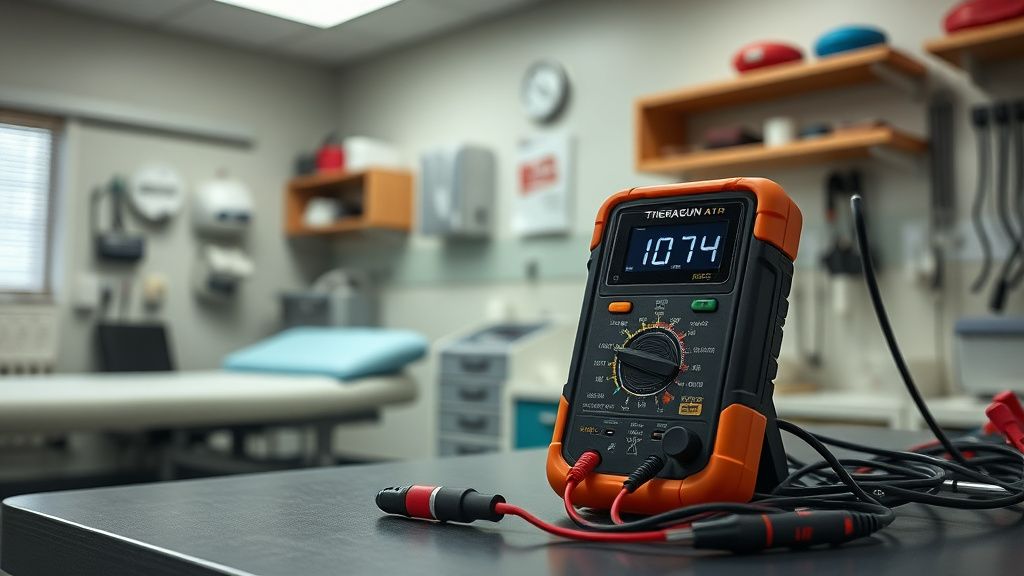
- Stage 3: The Mechanical Load Test. Run the device on "Level 1" without touching it to any surface. Does it stay on for 10 minutes? If yes, the motor and logic board are fine. The issue is likely a "High Load/High Resistance" protection trigger—you are simply pushing too hard.
- Stage 4: The Battery Swap. If you have access to another battery (perhaps from a friend or a gym kit), test that. Lithium-ion cells eventually lose their "C-rating" (discharge rate). A battery might have the capacity to show a full charge but fail to provide the 15+ amps required for peak percussive power.
Managing Expectations: The "End-of-Life" Cycle
Lithium-ion batteries have a shelf life. Even if the Theragun is rarely used, the chemical integrity of the cells degrades over 24 to 36 months. Many users claiming their device "died" after two years are actually experiencing standard battery fatigue. Replacing the battery pack is the single most effective way to restore "like-new" performance. Do not look for "hacks" to bypass the battery management system; the risk of a lithium fire is non-zero, and the internal board will likely brick the unit anyway if it detects tampered voltage.
Why does my Theragun PRO turn off while I am applying heavy pressure?
The device is equipped with a thermal and current-draw protection circuit. When you apply excessive force, the motor demands a massive current spike. If the battery cannot supply this, or if the heat generated by the motor nears the safety limit, the device shuts down to prevent hardware damage.
Is the "Auto-Shutoff" a bug or a feature?
It is a design feature meant to protect the internal components, though it is often calibrated too conservatively. It is designed to preserve the longevity of the brushless motor and the lithium-ion battery pack.
Can I fix the power issue by resetting the software?
Yes, performing a hard reset (powering off, removing the battery, and waiting) clears the temporary cache of the internal controller. If the unit remains unresponsive, check the app for a firmware update, which often patches "false-positive" sensor readings.
Does the Bluetooth connection cause battery drain?
While the Bluetooth module uses negligible power compared to the motor, it can cause "handshake" issues where the device fails to start if the app is trying to sync simultaneously. If you have trouble turning the device on, toggle your phone's Bluetooth off.
Is the battery definitely the problem if it won't stay on?
Not necessarily. If the device stays on during light usage but shuts down during heavy pressure, it is likely the battery's ability to maintain high current (C-rating) that has degraded. If it shuts down randomly regardless of usage, the issue is more likely the internal control board or a loose sensor connection.
How do I stop the "overheating" warnings?
Ensure you aren't covering the air vents while holding the handle. Keep the device in a cool, dry area when not in use, and avoid using it in extreme heat (like inside a sauna or a parked car), as this prevents the internal sensors from cooling down between sessions.