
The "ghost flushing" phenomenon—where a toilet initiates a cycle on its own without user intervention—is a classic plumbing archetype that sits at the intersection of mechanical simplicity and maddening household unpredictability. If your Kohler toilet sounds like it’s haunted in the dead of night, you aren't dealing with a phantom; you are dealing with a slow-motion failure of a hydraulic seal, a chemical reaction, or a subtle misalignment in the flush valve architecture.
The core of the issue is almost always a loss of tank water pressure into the bowl. When the water level in your tank drops, the fill valve senses this "low pressure" state as a user-initiated flush, triggering the refill mechanism. It is a closed-loop system that lacks the "intelligence" to know that the water wasn't flushed by a human, but rather lost to a failing gasket.
Identifying the Culprit: The Mechanics of Leakage and Pressure Loss
Kohler, much like Toto or American Standard, relies on specific engineering tolerances for their canisters and flappers. The "ghosting" is rarely a failure of the handle or the chain; it is almost exclusively a failure of the water retention system at the bottom of the tank.
The Anatomy of the Flush Valve Seal
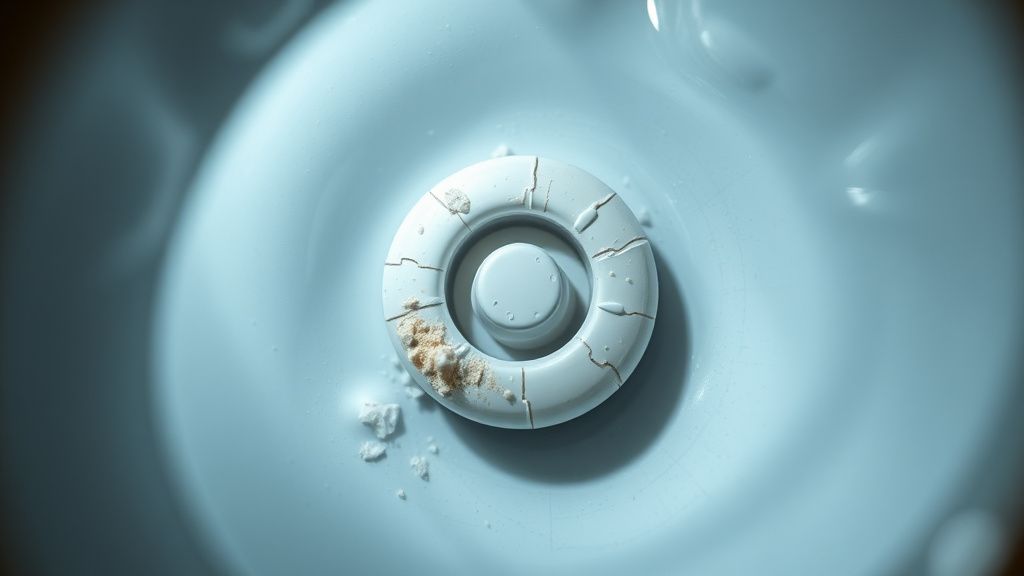
The most common point of failure is the flapper or canister gasket. Over time, the chemical composition of municipal water—specifically chlorine and chloramines—will cause rubber and silicone components to degrade. They lose their suppleness, harden, and develop micro-fissures.
On Reddit’s r/Plumbing or various DIY Discord servers, you will frequently see users debating the merits of "OEM vs. Universal" replacements. The consensus among field professionals is often polarized: while universal parts are cheaper and accessible, Kohler’s proprietary canisters have extremely tight tolerances. If the surface of the flush valve seat has even a microscopic scratch or a layer of calcium carbonate scale, a perfect seal becomes impossible, leading to a "weeping" leak.
The Slow Leak: The Dye Test Protocol
Before you reach for a wrench, perform the industry-standard dye test. This isn't just a suggestion; it’s the only way to diagnose the severity of the leak without guessing.
- Remove the tank lid.
- Add several drops of concentrated food coloring (blue or red works best).
- Do not flush. Wait 30 minutes.
- If the color appears in the bowl, you have confirmed the leak.
If the color does not appear, but the toilet still flushes itself, your issue is likely an intermittent fill valve leak or a high-pressure line issue, which is rarer but significantly more difficult to diagnose.
Troubleshooting the Kohler Canister System
Modern Kohler models, particularly those featuring the Class Five or Class Six flushing technology, often use a canister flush valve rather than a traditional rubber flapper. These are modular and prone to specific types of failure that differ from the traditional pivot-arm design.
Inspecting the Canister Gasket
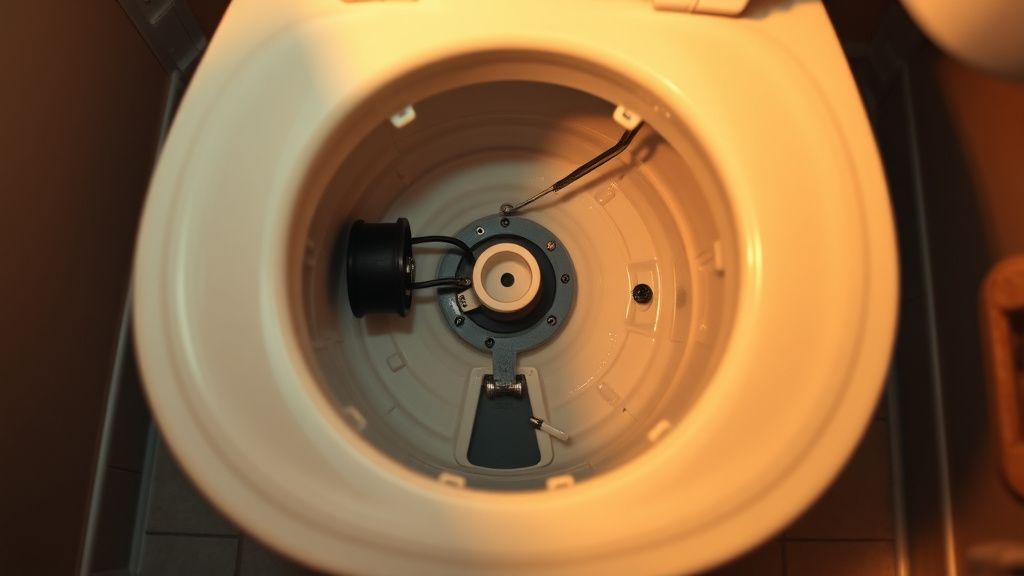
The Kohler canister system uses a flat, ring-shaped silicone or rubber gasket that rests against the flush valve seat. This gasket is notorious for collecting "gunk"—a biofilm composed of bacteria and mineral sediment that prevents a clean seal.
- The Cleaning Ritual: Lift the canister assembly. Wipe the mating surface of the flush valve seat with a non-abrasive scouring pad. Do not use steel wool; you will create grooves that further compromise the seal. Clean the gasket itself with vinegar.
- The Alignment Problem: If the canister is not dropping perfectly plumb into the center of the valve seat, it will hang slightly on one side. Check for debris in the guide rails.
The Fill Valve (Ballcock) Failure
Sometimes, the ghost flush is caused by the fill valve overfilling the tank, forcing water into the overflow tube. This is a subtle, constant process. If your fill valve’s float is set too high, the water level will eventually reach the top of the overflow pipe. As the water drips into the bowl, the fill valve attempts to compensate, creating an endless cycle of silent, minor refilling followed by a "kick" of the valve as it recalibrates.
Field Reports: The "Workaround" Culture
In forums like Hacker News or specialized plumbing boards, users frequently document the frustration of "proprietary fatigue." One recurring theme in long-term maintenance threads is the degradation of the Kohler 3-inch flush valve.
"I spent three hours replacing the flapper on my K-3978, only for it to ghost again two days later. Turned out the plastic flush valve seat itself had a hairline crack from a previous homeowner using a chemical tab in the tank. Those 'drop-in' blue tabs are a death sentence for rubber gaskets—they dissolve the plastic and turn the rubber to goo." — User comment from a plumbing DIY thread.
This sentiment is echoed by licensed master plumbers: the industry has a love-hate relationship with in-tank chemical cleaners. They are convenient for the consumer, but they are a nightmare for the longevity of the internal plastic and rubber components.
Technical Analysis of Failure Points
- Mineral Accumulation: In hard water regions, calcium deposits act like sandpaper. Even if your gasket is new, the calcified seat will chew through it within months.
- Chain Tension: A chain that is too short puts constant tension on the flapper, preventing it from seating fully. A chain that is too long can get caught under the flapper during a flush, holding it open.
- The "Hinge" Wear: The ears on the flush valve that hold the flapper can break or wear down unevenly, leading to a "wobbly" flapper that only seals correctly if dropped with the exact force of a full flush.
Counter-Criticism: Why Modern Toilets are "Over-Engineered"
There is a growing debate in the industry regarding the transition from simple gravity-flush toilets to complex canister-valve systems. Critics argue that Kohler and other major manufacturers have moved toward "service-heavy" designs. By using proprietary canisters, they ensure that the consumer must buy specific, often overpriced replacement parts rather than a $2 generic flapper from a hardware store.
Is this planned obsolescence? Or is it the price of high-efficiency, 1.28 GPF (Gallons Per Flush) performance? The reality is somewhere in between. A higher-performance flush requires a larger volume of water to drop in a shorter period of time. This necessitates larger valve openings (3 inches vs. the old 2-inch standard), which in turn creates a much larger surface area for potential leaks. The physics of the system dictates that a bigger hole is harder to seal perfectly.
Step-by-Step Resolution Guide
Step 1: The Reset Procedure
Before buying parts, turn off the water supply valve. Flush the toilet to drain the tank. Examine the gasket. If it looks deformed, wrinkled, or feels "greasy" to the touch, it is chemically compromised. Replace it.
Step 2: Evaluating the Valve Seat
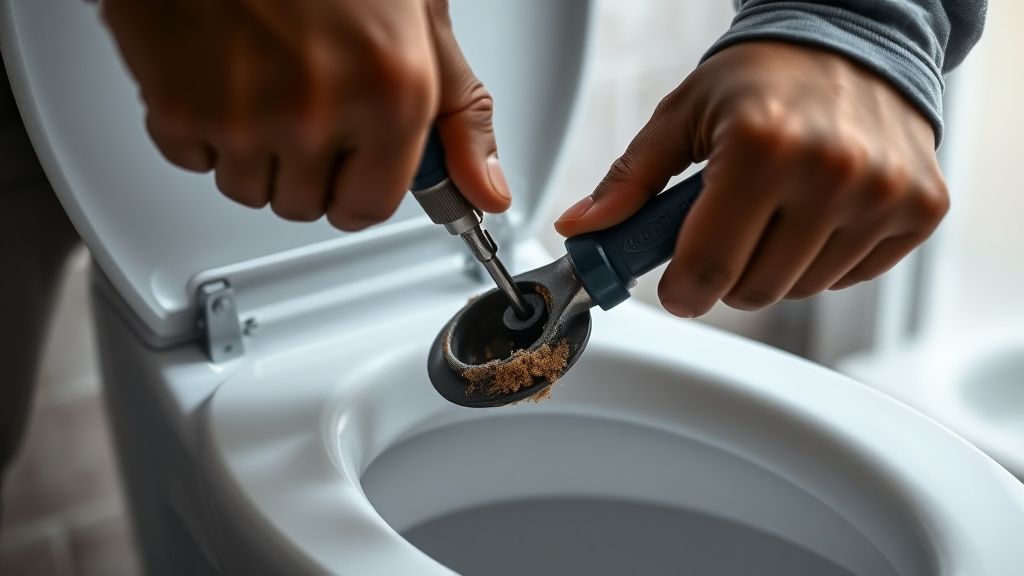
Run your finger along the plastic valve seat. If you feel a rough, jagged edge, you have a permanent leak point. You can purchase a valve seat repair kit, which provides a new surface that epoxies over the old, pitted plastic.
Step 3: Fill Valve Calibration
If the tank is filling to the brim and water is entering the overflow tube, adjust the float rod. Turn the adjustment screw counter-clockwise to lower the water level until it sits roughly an inch below the top of the overflow pipe.
FAQ
Why does my toilet flush only at night?
Can I use the drop-in bleach tablets to clean the tank?
Why do universal parts not fit my Kohler toilet?
Is it possible the problem is the water pressure in my house?
How do I know if I need a new flush valve or just a new gasket?
Does the age of the toilet matter?
Final Thoughts: The Reality of Maintenance
The "ghosting" issue is a reminder that even the most mundane household systems are dynamic, mechanical environments. They are subject to the same laws of entropy as anything else. When you fix a Kohler toilet, you aren't just swapping a rubber part; you are managing a complex, water-pressured machine that requires periodic recalibration. If you approach the repair with the expectation that the system is temperamental by design, the process becomes significantly less frustrating. You are not failing to fix it; you are managing a living system.