
If your Dyson V15 Detect is pulsing—alternating between full power and a stuttering, rhythmic cut-off—you are not witnessing a mechanical failure in the traditional sense, but rather a sophisticated software safety protocol in action. The machine detects a pressure differential in the airflow path and is effectively "choking" to protect the motor from overheating or physical debris damage. In 90% of cases, this is a blockage, a saturated HEPA filter, or other common airflow and sensor issues.
The Physics of Airflow and the "Safety Stutter"
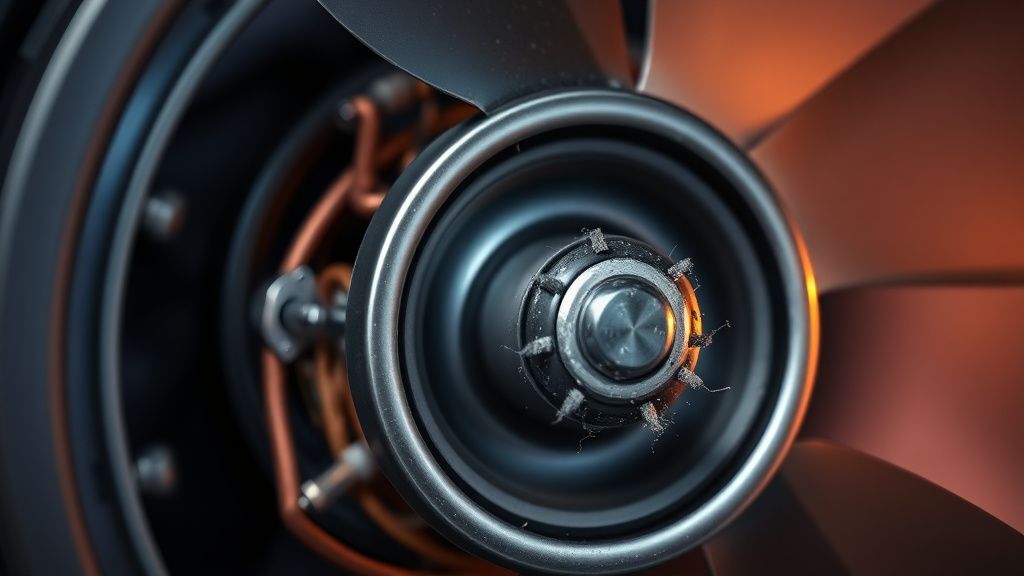
To understand why your V15 behaves like a sentient device having a panic attack, you must first acknowledge that a vacuum cleaner is essentially a high-RPM turbine. The Dyson V15 Hyperdymium motor is engineered to spin at up to 125,000 rpm. When you create an airtight seal on the floor—or conversely, when a clog prevents air from entering—the motor load spikes instantly.
The "pulse" is the digital control board (the PCB) modulating current to the motor to prevent a thermal runaway event. If it didn't pulse, the motor would potentially burn out its windings or shatter its impeller. This isn't a "bug" in the code; it’s a hardware-software marriage designed to compensate for the user’s environment.
The "Ghost Blockage" and Sensor Calibration
One of the most persistent frustrations voiced by users on subreddits like r/dyson is the "Ghost Blockage" phenomenon. You clear the bin, check the wand, and inspect the floor head, but the screen still displays an "Airway Blocked" error.
This often stems from a failure to calibrate the air path. When you reassemble the vacuum after cleaning, the sensors sometimes struggle to recognize that the pressure has normalized.
- The Workflow for Hard Resets: Before you assume a mechanical death, perform a power cycle. Hold the power trigger and the mode button simultaneously for 10 seconds. This forces the firmware to re-poll the sensor suite.
- The Invisible Obstruction: Often, a coin, a piece of hard plastic, or a clump of pet hair isn't in the wand, but wedged deep inside the bin's cyclone assembly. You don't need a specialist; you need a flashlight and a long, flexible zip tie.
Why Your HEPA Filter is the Real Culprit
Many users treat the filter as a "set it and forget it" component. However, the V15's filtration system is so dense that even a 20% saturation level of microscopic dust can create enough resistance to trigger the pulsing protection circuit.
On the forums of Hacker News and various enthusiast DIY boards, maintainers often point out that the V15 filter sensor is not a direct "airflow meter" but a pressure-drop sensor. If the filter is damp—even slightly—the pressure drop is massive, and the motor will pulse immediately.
"I washed my filter, let it dry for 12 hours, and thought I was good. It kept pulsing. I gave it another 24 hours under a fan, and the error vanished. The sensor is incredibly sensitive to even trace amounts of residual moisture trapped in the pleats." — Community feedback from a Dyson Repair Discord.
Technical Deep Dive: Seal Integrity and Vacuum Leaks
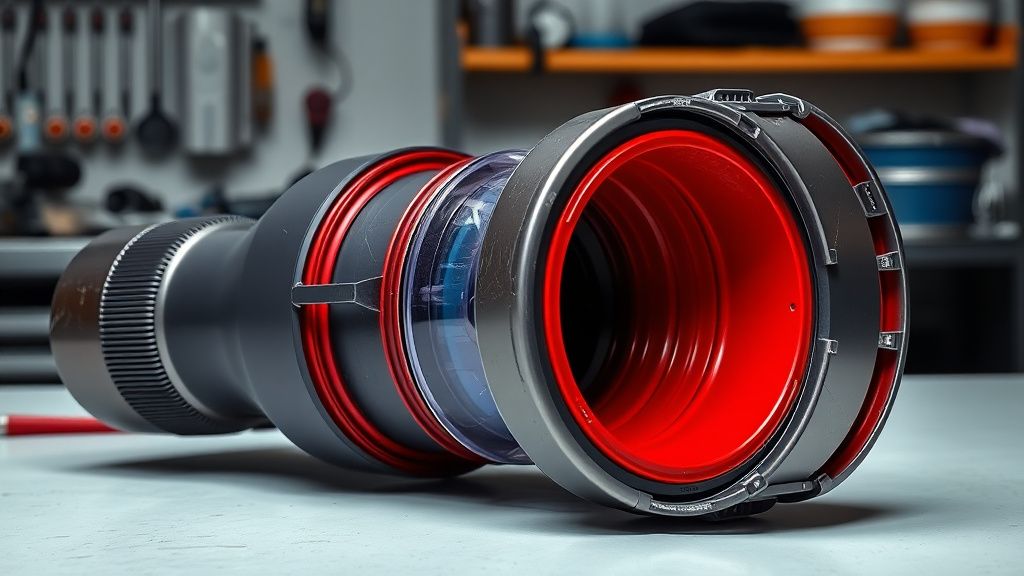
Beyond the filter and the wand, there is a third, more insidious cause: Seal Failure. The V15 relies on high-pressure gaskets at every junction point—from the bin to the main body, and from the wand to the brush head.
If you have dropped your unit, or if the red rubber seal on the bin has become brittle or misaligned, the vacuum will pull air from the environment rather than through the floor nozzle. This drop in vacuum pressure confuses the onboard AI. It "thinks" it is working in a high-resistance environment, but it cannot move enough air to keep the motor cool, leading to the infamous pulsing rhythm.
Real Field Reports: When Engineering Meets Reality
The transition from a "perfect" PR vision to the "messy reality" of a household is where the V15 frequently struggles. In high-traffic environments—specifically homes with heavy-shedding long-hair pets—the V15’s "hair screw tool" and main cleaner head can become entangled in a way that tricks the brush bar motor.
When the brush bar motor encounters resistance, it draws more current. The main controller perceives this as a mechanical blockage and pulses the system to protect the board from an overcurrent event.
The Counter-Criticism: Critics often argue that Dyson’s reliance on proprietary sensors makes the unit less "repairable" by the end-user. Unlike older, "dumb" vacuums, the V15 is a black box. If the control board logic is flawed, you cannot simply bypass the sensor. You are left at the mercy of the Dyson support cycle, which often leads to "replace instead of repair" frustrations.
Troubleshooting Flowchart: The Systematic Approach
When the pulse starts, do not immediately reach for the warranty claim. Follow this hierarchy of diagnostic steps:
- The wand bypass: Remove the wand and attach the cleaning head directly to the motor unit. Does it pulse? If no, the blockage is in the wand.
- The filter test: Remove the filter entirely. Run the vacuum on "Auto" mode for 5 seconds. If the pulsing stops, your filter is the restriction. Replace it or perform a deep clean and ensure 48 hours of drying time.
- The bin check: Open the bin and look up into the cyclone shroud. Dust and debris often cake the upper holes of the cyclone. These must be clean for the machine to breathe.
- The seal inspection: Check the red gasket on the bottom of the cyclone. If it is loose, apply a tiny amount of silicone lubricant or ensure it is seated flush in the groove.
The Economic and Operational Reality of Proprietary Tech
The Dyson ecosystem is designed for peak performance, not for the "right-to-repair" ethos. When you use the V15, you are participating in a system that prioritizes suction-per-watt optimization over durability.
The pulsing issue is an architectural trade-off. To achieve the lightweight, high-suction stats that marketing departments love, the internal pathways must be narrow and aerodynamic. This narrowing makes the machine fundamentally prone to blockages. It is an engineering compromise: you get the performance, but you pay the "maintenance tax."
Industry Controversy: Is the V15 "Too Smart"?
There is an ongoing debate in the vacuum enthusiast community regarding the integration of LCD screens and "particle counting" sensors on the V15. While these features provide valuable feedback, they also add complexity.
Critics argue that the V15's software is prone to "false positives." A speck of dust landing on the right sensor can trigger a warning that isn't actually impeding performance. When the firmware enters an error state, it is notoriously difficult to "hard reboot" without removing the battery, which for many users, feels like an unnecessary hurdle in a consumer appliance.
Essential Maintenance Hacks for Long-Term Stability
To minimize the risk of future pulsing errors, consider these field-tested habits:
- The Monthly "Deep Flush": Wash your filter with cold water. Do not use soap. Use a hair dryer on a cool, low setting only if you are in a humid climate, otherwise, rely on 24-48 hours of ambient air drying.
- Wand Inspection: Shine a flashlight through the wand after every heavy cleaning session. Debris often lodges near the "elbow" of the wand where the internal wiring passes through the airway.
- Avoid "Super Sucking": Using "Boost" mode for extended periods on heavy carpets causes massive heat buildup. This heat can warp the plastic housing over time, leading to the vacuum leaks mentioned earlier.
Why does my Dyson V15 pulse even after I cleaned the filter?
A: The pulsing is often caused by a blockage downstream from the filter. Check the cyclone assembly itself. Dust cakes inside the thin, cone-like structures, creating a "choke point" that the sensor interprets as a filter blockage. Use a compressed air canister to blow out the cyclone housing while the bin is removed.
How do I know if the battery is causing the pulse?
A: Battery issues usually result in a sudden power-off or a "check battery" icon, not a rhythmic pulse. If the vacuum pulses in "Eco" mode but runs okay in "Boost," it is almost certainly an airflow restriction. If it pulses in all modes immediately upon start, it could be a failing motor control board.
Can I use a third-party filter to fix the pulsing?
A: While third-party filters are available, they often lack the precise micron-rating of the genuine Dyson HEPA filters. A filter that is "too thick" will cause the machine to pulse constantly because it restricts airflow too much. Stick to OEM filters to ensure the pressure-drop sensors register correctly.
Is the pulsing damaging my motor?
A: No. The pulse is the motor’s way of "breathing." The controller is intentionally limiting the current to prevent the motor from spinning into a vacuum that it cannot pull air from. It is a protective, not a destructive, state. However, do not force the machine to run in this state for long periods.
What if I see a "Seal Error" on the screen?
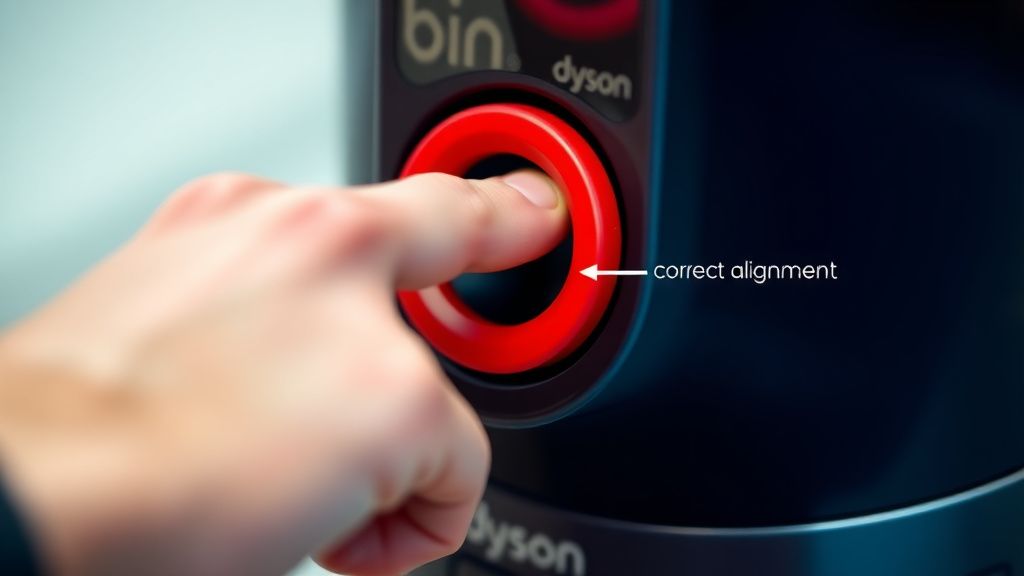
A: This is specific to the V15's intelligent feedback loop. It means the system has detected that the bin is not fully clicked into place or the rubber gasket between the cyclone and the bin is compromised. Inspect the bin's locking mechanism for debris or hair preventing a flush seal.
The Verdict on System Reliability
The Dyson V15 is a marvel of consumer aerodynamics, but it is an appliance that demands literacy from its user. If you view the pulsing as an "error," you will be frustrated. If you view it as "system feedback," you will find it to be a helpful guide to the health of your machine. The pulsing is the machine telling you exactly where the bottleneck is; you just have to learn how to read the language of the airflow.