
If your Dyson V15 Detect is suffering from sudden suction loss, the culprit is almost never a motor failure. Instead, it is usually a cascading failure caused by a "clog-filter-seal" trinity: a micro-clog in the wand, a saturated HEPA filter, or a degraded bin seal, highlighting the importance of every component's proper functioning, much like how connection issues can prevent a Withings Body Scan from syncing correctly. Focus on clearing the airway paths, washing the filter thoroughly, and ensuring the bin click-locks firmly into place.
The Dyson V15 Detect is a marvel of consumer engineering, effectively a high-torque DC motor strapped to a cyclonic filtration system, optimized to make vacuuming feel like a high-fidelity data experience. However, the move toward "intelligent" sensing—the laser detection of dust, the piezo sensor counting particles—has introduced a level of sensitivity that the average home environment is often ill-equipped to handle. When the V15 loses suction, it isn't just a loss of airflow; it’s an algorithmic panic. The sensors detect a pressure differential spike, the motor throttles down to prevent overheating, and the user is left with a very expensive, very noisy stick that barely picks up dog hair.
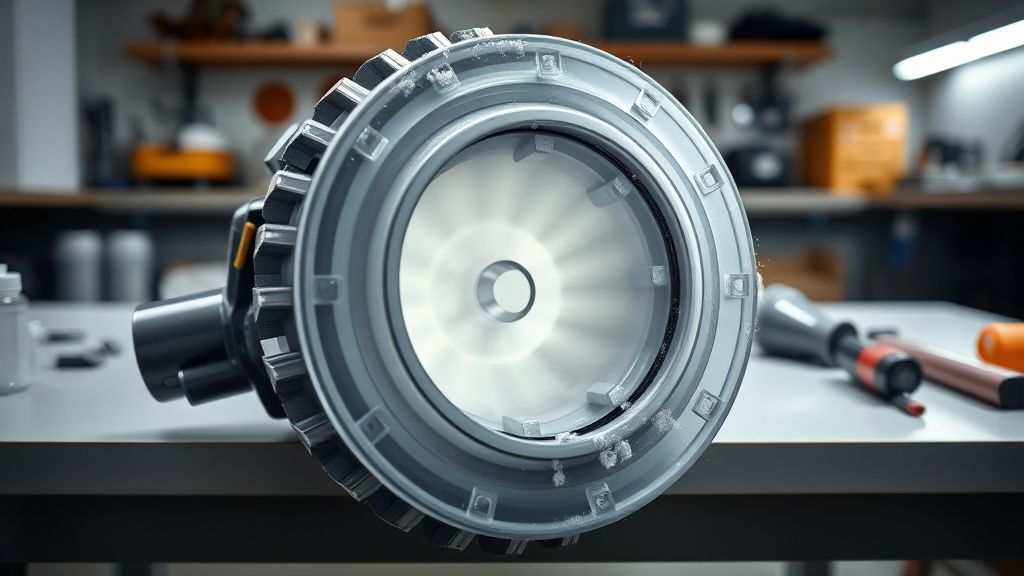
The Physics of Airflow and the "Seal" Vulnerability
At the heart of the V15’s operational reality is its air-tight design. Dyson markets the unit as a "fully sealed filtration system." In engineering terms, this means that every junction—from the Digital Motorbar cleaner head to the dust bin’s silicone gasket—must maintain a specific vacuum pressure.
Many users report a "pulsing" effect where the motor rhythmically surges and drops. This is rarely a motor defect. It is the onboard computer sensing a blockage and attempting to clear it by modulating the voltage. When this happens, users should stop immediately. Continuing to run the motor against a "choked" system risks permanent damage to the logic board or thermal cut-off switches.
The most overlooked fail-point: The bin base seal. If you have ever dropped the bin or if a piece of hardened debris has nicked the silicone flap, you lose the "hermetic" seal. Air leaks in, the cyclone loses its rotational velocity, and heavy dust—instead of being flung into the bin—recirculates back into the filter.
Decoding the Interface: When Sensors Lie
The V15 Detect’s LCD screen is a brilliant piece of UX, but it can be a source of misinformation. When the screen flashes "Check for blockages," the software is looking at input from the piezo sensor and the pressure transducer, a complex sensor-based diagnostic that can sometimes lead to confusion, much like troubleshooting navigation and sensor issues with a Shark IQ Robot. Sometimes, the software is too "smart."
- The Case of Fine Powder: If you have recently cleaned up drywall dust or fireplace ash, the filter will clog at a molecular level that doesn't look "dirty." You cannot wash this out with a quick rinse.
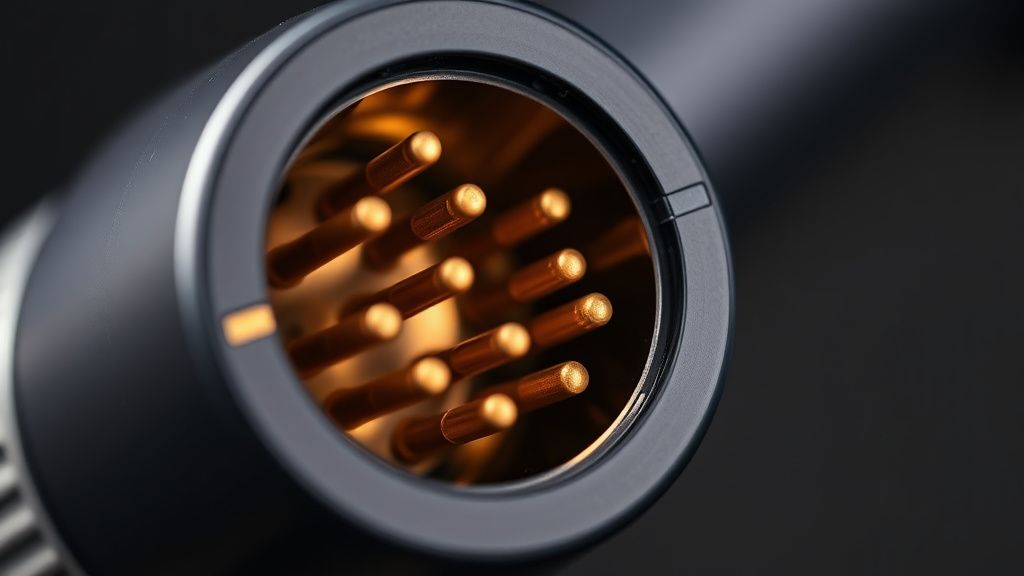
- The Connector Friction: Check the copper pin connectors inside the wand. If these pins are slightly oxidized or bent, the electronic communication between the head and the motor is intermittent, leading to the vacuum interpreting this as an "obstruction" because the brush head motor stops and starts unexpectedly, a type of internal connectivity issue that can cause lagging performance, similar to what you might find with a Logitech MX Master 3S mouse.
The "Deep Clean" Maintenance Protocol
If you are dealing with persistent loss of performance, follow this operational sequence. Do not skip steps.
- The Wand Bypass: Remove the wand entirely. Attach the motor unit directly to the cleaner head. If the suction is restored, your blockage is in the plastic wand. Users often miss the "corner" of the wand where the plastic meets the metal; a paperclip or a long, flexible cleaning brush is essential here.
- The Cyclone Disassembly Debate: Dyson does not officially endorse removing the cyclone pack from the clear bin for deep cleaning. However, the Reddit community (specifically r/DysonV15) is rife with threads showing how dust builds up behind the shroud. If you choose to take this apart, know that you are voiding your warranty. The "snap-fit" plastic tabs are notoriously fragile.
- The Filter Drying Fallacy: Many users wash the filter and wait 12 hours before re-installing. In high-humidity environments, 24 hours is the absolute minimum. If you re-install a filter that is even 5% damp, you invite mold growth within the housing and create a "mud" layer that permanently restricts airflow.
Field Reports: The "Filter Light" Mystery
In various community discussions on platforms like Hacker News and independent support forums, a common grievance surfaces: the filter light remains illuminated even after a wash.
One user on a popular technical forum noted: "I replaced the filter, but the sensor didn't reset. I realized the issue wasn't the filter itself, but the internal sensor housing was coated in a thin layer of fine grease/dust from cooking fumes. I had to use a Q-tip with 90% isopropyl alcohol to clean the sensor lens inside the body."
This is the hidden operational reality: the V15 is a giant air purifier. If you vacuum areas near the kitchen where airborne oils exist, those oils eventually coat the vacuum's internal sensors. This creates a "sticky" film that catches dust, leading to false-positive blockage alerts.
Engineering Compromise: Why the Design is Both Perfect and Flawed
There is an inherent tension in the V15 design. It is built to be lightweight and agile, which necessitates thin-walled plastics and tight tolerances.
- The Scaling Issue: In a 500-square-meter house with pets, the V15 is being pushed beyond its design envelope. It was optimized for daily "maintenance" cleaning, not heavy-duty extraction. When users push it to the limits of its bin capacity, the internal cyclones become overwhelmed.
- The "Workaround" Culture: You will find many users drilling small pilot holes in the cyclone assembly to use compressed air for cleaning. While effective, this is a sign of a design that doesn't prioritize long-term maintainability for the power user.
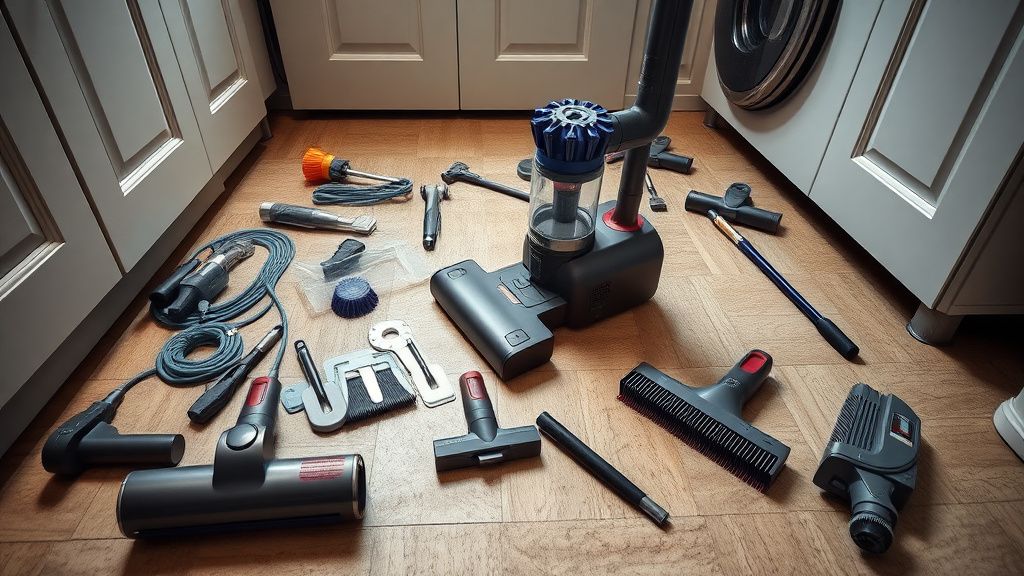
Managing Expectations vs. Reality
The "Detect" feature, while revolutionary, is a luxury. It measures microscopic particles, but it does not measure airflow resistance. You can have an incredibly clean, laser-detected floor, yet have a machine that is screaming because the filter is choked with the very dust it just picked up.
- Financial Impact: Replacing the HEPA filter every 6-12 months is not an optional cost; it is an operational expense. If you try to save money by washing the original filter indefinitely, the mesh will eventually fray, leading to micro-dust escaping into the motor housing.
- The Replacement Part Ecosystem: Be wary of "compatible" filters sold on marketplaces like Amazon. These are often made with different micron-density paper. A filter that is "too thick" will cause the motor to overwork; a filter that is "too thin" will allow fine dust to settle on the motor's internal magnets, leading to a burnt-out unit within months. Always verify OEM (Original Equipment Manufacturer) stamps.
Why does my V15 pulse and then turn off?
This is a protective "thermal shutdown." Your machine is detecting a blockage or a vacuum seal breach and is cutting power to prevent the motor from melting the internal plastic housing. Check your filter and airway path immediately. Do not keep pressing the trigger; you risk damaging the battery management system (BMS).
Is it safe to use compressed air to clean the cyclones?
Yes, but with extreme caution. Use low-pressure canned air. If you use a high-pressure commercial compressor, you risk blowing out the internal rubber gaskets or dislodging the fine mesh screens. Always wear a mask—the amount of dust that will be expelled is substantial and contains concentrated allergens.
My screen says "Wash Filter," but it’s clean. What gives?
The sensor responsible for this is often just an airflow pressure switch. If your bin seal is loose or the wand has a hairline crack that you can't see, the sensor perceives "low suction" as a dirty filter. Inspect the entire air path for leaks; even a tiny air leak acts like a "suction drain" that tricks the software.
How often should I truly wash the filter?
Forget the "once a month" recommendation if you have pets or carpeted floors. For a household with shedding pets, a weekly dry-brushing of the filter and a monthly wash are necessary. If you notice a "musty" smell while vacuuming, your filter has likely developed bacterial growth and should be replaced, not just washed.
Can the laser lens be cleaned?
Absolutely. The laser lens is exposed to debris and will get cloudy. Use a dry microfiber cloth to wipe it gently. If you use cleaning chemicals, you may damage the anti-reflective coating, which will diffuse the laser and make it much less effective at highlighting dust on hard floors.
of Best Practices for Longevity The V15 is an ecosystem, not just a tool. It demands a specific maintenance rhythm. If you treat it like an old-fashioned "plug and play" vacuum, you will encounter the "broken" feeling within the first year. By respecting the airflow dynamics, using only original parts, and accepting that the sensors require occasional manual cleaning, you can avoid the common trap of premature failure. Treat the machine as a high-precision instrument, and it will perform; treat it as a hammer, and it will eventually succumb to the friction of its own design.