
The frustration of a Moen kitchen faucet trickling when you need a full stream is a universal rite of passage for homeowners, similar to when you might need to fix a leaking Kohler kitchen faucet. Before you reach for a pipe wrench or call a plumber, understand that this is rarely a catastrophic mechanical failure. In 90% of cases, you are battling mineral deposits, debris, or a misaligned cartridge—the quiet, inevitable tax of hard water on modern plumbing infrastructure. You can fix this by clearing the aerator, flushing the supply lines, or replacing the 1225/1255 cartridge.
The Physics of Flow: Why Your Moen Faucet Suffers from Pressure Drop
Modern kitchen faucets are marvels of consumer-grade engineering, but they are also victims of their own precision. To meet EPA WaterSense standards and international flow rate regulations, manufacturers like Moen utilize fine-mesh aerators and flow restrictors. While these are designed to save water, they act as mechanical filters for the entire plumbing system.
If your home has aging galvanized steel pipes or a high mineral content (hard water), the faucet becomes the "terminal point" for every grain of sediment, pipe rust, and calcium flake, issues that can also contribute to problems like when your Kohler toilet keeps ghost flushing. When these particles reach the aerator or the fine ports of a ceramic disc cartridge, they don't just reduce flow—they alter the internal fluid dynamics of the faucet.
The Aerator: The First Point of Failure
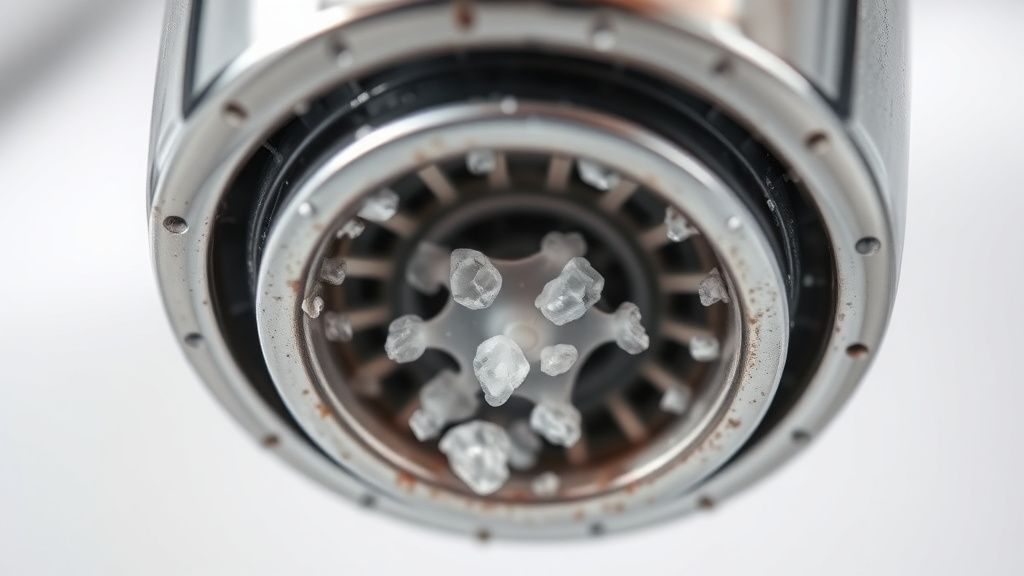
The most common culprit is almost always the aerator. If you notice the flow is restricted but the handle operation feels smooth, the blockage is external.
The Diagnostic Protocol:
- Unscrew: Most modern Moen aerators are recessed. You will need a dedicated aerator key (often provided with the faucet or available at any hardware store). If you use pliers, wrap the housing in a microfiber cloth to prevent scarring the finish.
- Inspect: Once removed, turn the faucet on. If the water blasts out with full force, your culprit is confirmed.
- Descaling: Do not use abrasive tools. Soak the aerator in a 50/50 mix of white vinegar and water. For stubborn lime buildup, let it sit for two to four hours. If the plastic mesh is permanently calcified, do not try to "poke" holes in it; the flow pattern will be ruined, causing splash-back. Just replace it.
Dealing with the 1225/1255 Cartridge and Internal Friction
If cleaning the aerator doesn't solve the issue, you are moving into the "internal guts" of the Moen system. Moen’s claim to fame is the Posi-Temp and the 1225/1255 series cartridges. These are designed to be replaced rather than repaired, which is a brilliant marketing strategy that doubles as an operational headache.
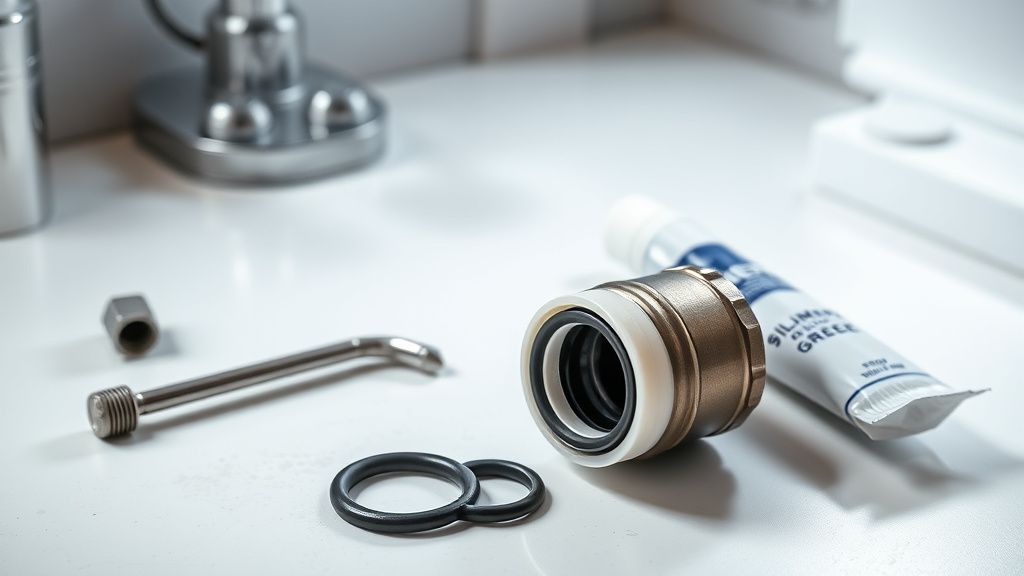
The Engineering Compromise: The 1225 cartridge relies on a sliding motion to mix hot and cold water. Over time, the O-rings swell or degrade, and the lubricant (plumber’s grease) washes away. When this happens, the internal seals can shift, effectively choking the water path.
Real-world feedback from a Reddit DIY thread: "I replaced the cartridge, and it worked for three weeks before slowing down again. Turns out, there was a tiny rubber fragment from an old supply line washer stuck inside the valve body, constantly re-blocking the intake port."
This highlights a recurring issue: upstream contamination. If your supply line washers are disintegrating, you will be replacing cartridges every month until you flush the lines, much like how understanding Kohler smart toilet troubleshooting error codes is crucial for resolving persistent smart plumbing problems.
Step-by-Step Cartridge Extraction and Maintenance
If the flow remains low, you must access the valve body. This is where most DIYers encounter "seizure"—where the cartridge is literally fused to the valve body by mineral deposits.
- Shut Off the Water: Always shut off both the hot and cold lines under the sink.
- Handle Removal: Use a 7/64" hex key to loosen the set screw hidden under the handle. If it won't budge, do not force it. Apply a drop of penetrating oil and wait 15 minutes.
- The Cartridge Puller: Do not attempt to pull the cartridge with standard pliers. You will break the plastic top, leaving you with a nightmare scenario where you have to drill out the core. Use a genuine Moen Cartridge Puller tool. It is a $15 investment that saves $300 in emergency plumbing fees.
- Flush the Body: With the cartridge out, turn the water on momentarily (cover the valve body with a bucket to avoid a geyser). This flushes out any grit that might be hiding in the valve body.
Real Field Reports: The "Ghost" Blockage
In the plumbing industry, there is a phenomenon known as "Ghost Blockage." This happens when sediment in a home's water heater begins to migrate. Because the hot water side of your Moen faucet has a smaller intake port than the cold, the hot water flow usually fails first.
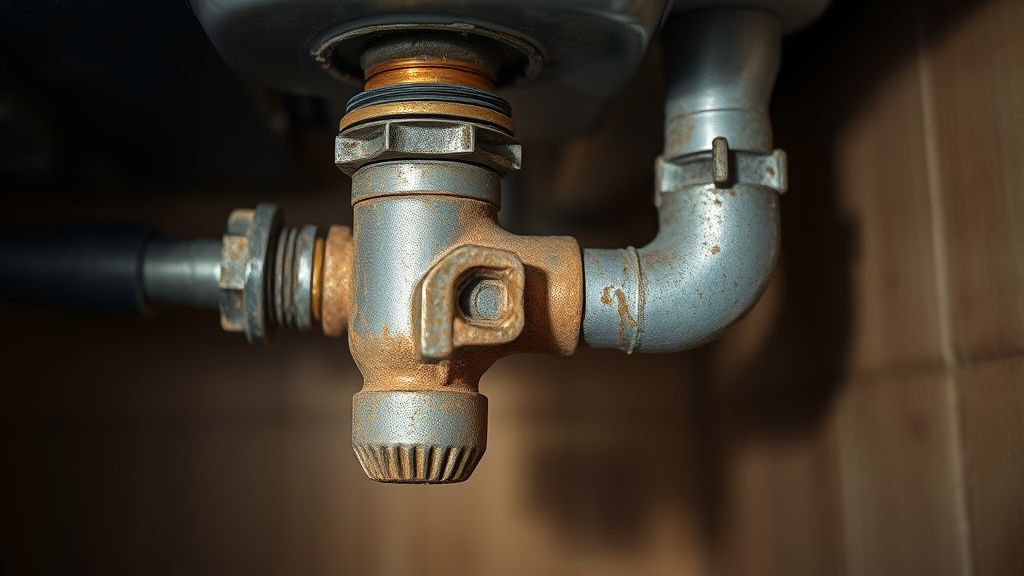
Case Study: A homeowner in a hard-water zone reported that their kitchen faucet was slowing down every few months. After replacing the cartridge three times, a technician discovered that the shut-off valve under the sink had a failing rubber washer. Every time the water was turned on, a tiny piece of rubber would shear off and lodge in the faucet’s intake port.
The Lesson: Never assume the faucet is the source of the debris. Always check the shut-off valves and the integrity of the supply line hoses. If the supply hoses are older than 10 years, replace them with braided stainless steel lines.
Addressing the Hype: The "Universal" Cartridge Myth
A frequent point of debate on forums like Hacker News or DIY subreddits is the supposed "universal" nature of Moen cartridges. While they look similar, the 1225, 1255, and newer 200 series are not interchangeable.
Operational Reality: Using the wrong cartridge—even if it fits—will result in "crossover," where hot water leaks into the cold side, or reduced pressure because the port sizes don't align perfectly with the faucet body. Always use the serial number of your faucet (often found on a tag on the supply line) to find the correct parts diagram on the Moen portal. Don't rely on visual matching at the local hardware store.
Counter-Criticism: Why Modern Faucets Are Over-Engineered
There is a growing chorus of professional plumbers who criticize the modern "disposable" nature of Moen’s internal components. The reliance on plastic clips and O-rings is seen by many as a "planned obsolescence" model. Unlike older brass-valve faucets that could be lapped and reseated with simple washers, Moen faucets require proprietary plastic parts that fail when subjected to high-temperature or high-mineral water.
Critics argue: If a faucet fails in five years, the average consumer buys a new one rather than hunting down a specific cartridge. This creates a cycle of waste that contradicts the "WaterSense" efficiency goals.
Advanced Troubleshooting Checklist
If you have cleaned the aerator and replaced the cartridge, and you still have low flow, consider these edge cases:
- The Diverter Valve (For Pull-down Faucets): If your faucet has a spray head, the diverter valve inside the spout might be stuck. This valve redirects water from the stream to the sprayer. If it’s malfunctioning, it essentially acts as a permanent flow restrictor.
- Kinked Supply Lines: Check the flexible lines under the sink. If they are coiled too tightly, the inner diameter can collapse, restricting flow.
- The "Check Valve" Syndrome: Some Moen faucets have integrated check valves in the supply lines to prevent backflow. If these fail, they can block water movement entirely.
How do I know if my cartridge is the problem?
If the aerator is clean and the water flow is weak on both hot and cold settings (or significantly weaker than before), the cartridge is the most likely failure point. If only the hot or cold side is weak, the issue is likely a blockage in that specific supply line or shut-off valve.
Can I use vinegar to clean the cartridge?
Yes, but don't soak it for too long. If you leave the plastic cartridge in pure, strong vinegar for an extended period, it can degrade the rubber O-rings. A 15-minute soak is usually sufficient to loosen mineral deposits.
Why does my faucet "chatter" or make noise after I replaced the cartridge?
This usually means air is trapped in the line or the cartridge isn't seated fully. Remove the aerator and run the water for 60 seconds to flush out air. If the noise persists, ensure the retaining nut holding the cartridge is tight, but not overtightened, which can crack the plastic housing.
Is it worth replacing the whole faucet instead of the cartridge?
If your faucet finish is peeling or the internal metal body is showing signs of severe corrosion, replacing the cartridge is a "Band-Aid" solution. If the body is in good condition, the cartridge swap is a much more sustainable and cost-effective repair.
Where can I find the official part number?
Do not search by "Moen Kitchen Faucet." Look for the white paper tag attached to the hot/cold supply lines underneath the sink. It contains a serial number or model code. Type that exact code into the Moen Support website’s "Find My Part" tool to avoid the "guess-and-check" frustration of purchasing the wrong cartridge.
of Best Practices The key to maintaining high performance in a Moen system is not waiting for a total failure. If you live in a hard water area, perform a "preventative flush" every 12 months. Remove the aerator, soak it in vinegar, and check the supply line connections for signs of corrosion. By treating your faucet as a mechanical system that requires regular calibration—rather than a "set it and forget it" appliance—you will avoid the dramatic, mid-cooking-session flow failures that define the typical home ownership experience.