
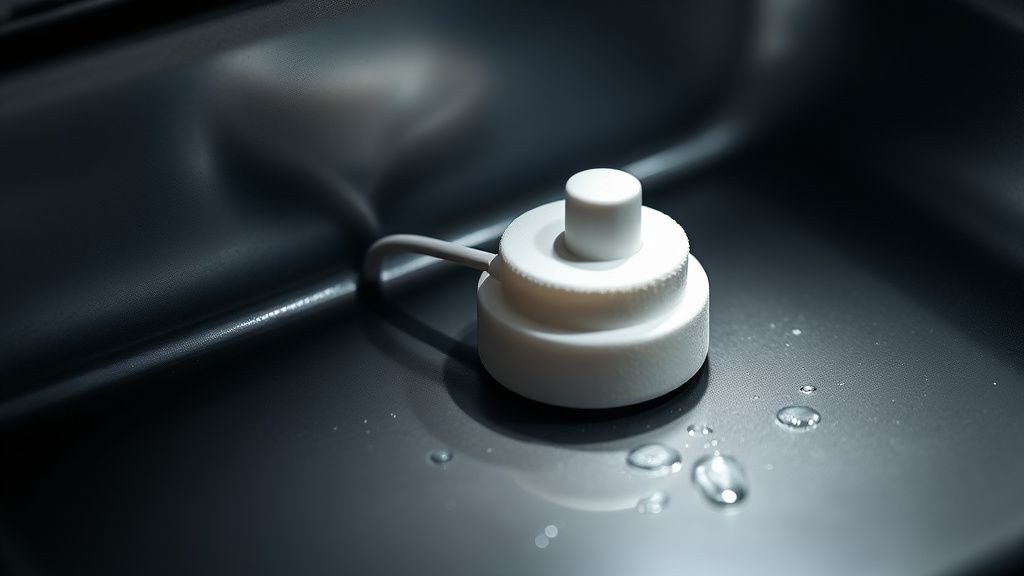
Just like other appliances can display specific warnings, such as the EGO Power+ Mower Error E01, the E15 error code on a Bosch dishwasher is the machine’s way of saying it has "wet its pants." Specifically, the internal float switch—a small plastic device located in the base pan—has been triggered by standing water. It is a fail-safe mechanism designed to prevent kitchen floor flooding, but in practice, it is often a source of immense frustration. You don't need a technician to reset it; you need to address the structural integrity of your seals, the integrity of your drain hoses, and the often-overlooked reality of the "bottom-tray sludge" that keeps the sensor perpetually depressed.
The Anatomy of a Bosch Leak: Why the E15 Trigger is Both a Blessing and a Curse
From an engineering perspective, the E15 error is a triumph of design—it prioritizes the protection of your cabinetry and flooring over the completion of a wash cycle, similar to how other devices implement hardware protection errors to prevent further damage. When the bottom basin collects enough moisture to float the Styrofoam disc (the sensor float), the drain pump kicks into a permanent "on" state to evacuate the water, a component that, when faulty, can also cause issues like the Bosch Dishwasher E24 Error. The problem? If the leak is persistent, the drain pump keeps running, the cycle halts, and you are left with a machine that refuses to start even after you’ve mopped up the mess.
The machine isn't just "detecting" water; it's stuck in a protection loop. Many users report that even after a quick towel-dry of the base, the error persists. This is because the sensor isn't just wet; it is often contaminated with soap scum, grease, or calcified detergent residue that prevents the float from fully returning to its "down" position.
Operational Reality: The "Tilt and Reset" Myth vs. Permanent Mitigation
If you browse the forums on Reddit’s r/Appliances or the DIY Stack Exchange, you will find the "Tilt and Drain" method touted as the holy grail. It works, temporarily. By tilting the dishwasher back 45 degrees, you force the trapped water away from the sensor. However, this is a stop-gap measure. It does not fix the Root Cause.
The Three Most Common Failure Points
- The Door Seal (Gasket) Degradation: Over time, the rubber seals on Bosch machines—especially the ones along the bottom—harden. If you notice steam escaping from the bottom of the door, it’s not just a cooling issue; it’s a failure of the gasket to maintain a vacuum-tight seal, allowing condensation to run down the exterior of the tub and into the base tray.
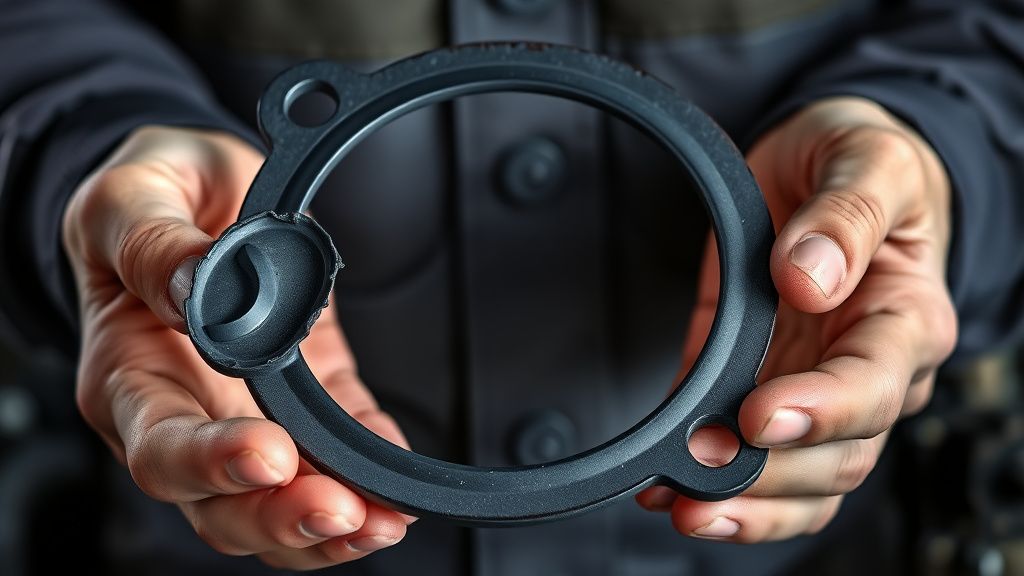
- The Sump Assembly Gasket: This is the most common "hidden" leak. The circular seal between the pump sump and the plastic tub body can shift or degrade due to harsh chemical cleaners. When this happens, a very slow, drip-drip-drip leak occurs that is almost impossible to see until the E15 code triggers.
- Hose Clamp Loosening: Many Bosch owners find that the factory-installed tension clamps on the internal drain hoses have lost their spring force after 5–7 years of thermal expansion and contraction.
Analyzing the "Sump Gasket" Controversy: Is It a Design Flaw?
There is a long-standing debate among appliance technicians on RepairClinic and Appliantology regarding the Bosch sump seal. Critics argue that using a rubber O-ring seal against a plastic tub in a high-heat environment is an engineering compromise—a way to cut production costs at the expense of long-term durability.
Supporters, however, point to the modularity of the design. By using a gasketed sump, Bosch allows for the replacement of the circulation pump without replacing the entire tub. The "E15 as a design flaw" argument often fails to account for the reality of "Hard Water Scaling." If your home has high mineral content, the calcium buildup acts as an abrasive, grinding down the seal and creating micro-channels for water to escape.
Field Report: The "Tape and Sealant" Workaround Culture
In the DIY community, you will occasionally see people suggesting silicone sealant (like RTV) to "glue" the sump to the tub. Do not do this. This is a classic "workaround" that creates a permanent nightmare for the next technician. If you glue the sump, you effectively weld a modular component to the chassis. When the circulation pump eventually dies (as all pumps do), you will be unable to remove the sump without damaging the plastic tub itself. Always opt for the OEM replacement gasket (Part #00668101 or equivalent) rather than chemical "hacks."
Step-by-Step Diagnostic Hierarchy: How to Isolate the Leak
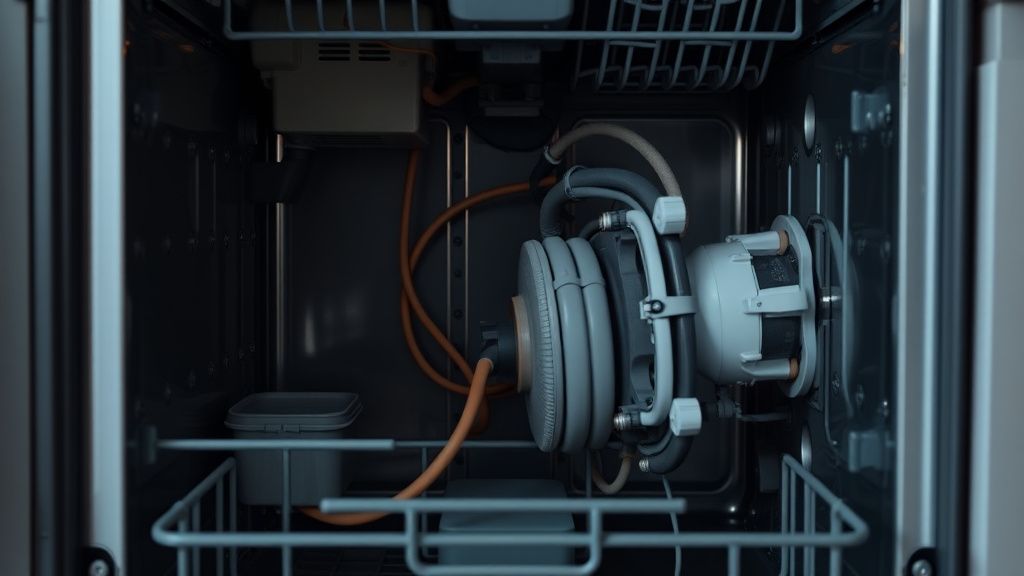
Before you reach for the screwdriver, follow this diagnostic flow. Do not disassemble the entire machine blindly.
- The "Under-Door" Inspection: Run a cycle with the kickplate removed. Place a mirror under the front of the tub. If you see a bead of water forming on the door gasket during the wash phase, you have found your culprit.
- The "Base Tray" Inspection: If the front is dry, check the rear. Use a flashlight to inspect the circulation pump area. Look for white streaks—this is "telltale" mineral residue left behind by evaporated leaking water. If you see white streaks, the leak is intermittent.
- The Float Sensor Test: Remove the sensor float assembly. Is it clean? If it’s coated in grey slime, it may be stuck even if the tray is dry. Clean it with warm water and a soft brush.
Engineering Compromise: Why Bosch Uses "Sensors over Prevention"
The E15 error is an example of Electronic Safety Dominance. In older appliances, a leak would simply rot the floorboards until the floor caved in. Bosch’s system is aggressive, but it serves to keep the machine's "Total Cost of Ownership" manageable by preventing secondary damage to the home. The frustration users feel regarding the E15 code is actually a side effect of the system working too well.
"I’ve seen machines where the customer spent three days trying to 'reset' the E15, only to find that the drain hose had a pinhole from a mouse. The machine wasn't failing; it was keeping the house from flooding." — Ex-Authorized Bosch Service Technician (via public industry forum).
The "Rubber vs. Plastic" Material Degradation Analysis
When you finally disassemble the pump area, pay close attention to the Drain Pump Housing. The locking tabs on these housings are notorious for becoming brittle. If you are force-removing them, you will snap the plastic. Many users complain that "the part was fine, but the housing broke during installation." This is a classic example of material fatigue in a high-temperature zone. Always use a lubricant (silicone grease) when reinstalling any O-rings to ensure they seat correctly without needing excessive force.
Handling the "Ghost Leak": When You Cannot Find the Source
Sometimes, the leak is atmospheric. In high-humidity climates, heavy condensation can build up on the exterior of the tub and drip down the sides into the base tray. If you have ruled out all mechanical leaks (gaskets, hoses, pump), and the machine still throws an E15, look at your venting system. Is the dishwasher's steam vent blocked? If steam cannot escape, it will condense on the internal walls of the cabinet, run down the outside of the machine, and—you guessed it—trigger the E15 sensor in the bottom pan.
The Financial and Social Cost of Modern Appliance Complexity
The transition from mechanical timers to sensor-driven microcontrollers has shifted the burden of repair from "professional repairman with a hammer" to "user with a digital diagnostic mindset." The E15 error is a microcosm of this shift. It forces the consumer into a DIY diagnostic role. While this can feel empowering, it also breeds a culture of "throw-away" appliances. If a user can't fix an E15, they often assume the machine is "dead," leading to millions of tons of e-waste annually.
How do I manually reset the E15 error code?
You cannot "reset" it via the control panel because it is a hardware-triggered safety latch. You must clear the physical water from the base tray. Tilt the machine back, let the water pour out, and dry the float sensor with a microfiber towel. If the tray is dry and the sensor is clean, the machine will usually reset itself upon the next power-on.
Why does my dishwasher keep leaking even after I replaced the gasket?
It is likely a "seating" issue. The sump surface must be absolutely clean of debris before the new gasket is installed. If there is a single hair or a flake of dried soap, the new seal will fail. Use a Scotch-Brite pad to clean the mating surface until it is smooth to the touch before installing the new O-ring.
Is the E15 error always a leak?
In 95% of cases, yes. In the remaining 5%, it is a faulty sensor or a wiring issue where the moisture-sensing cable has frayed and is "shorting" against the metal frame, mimicking the signal of a triggered float. If your base is bone-dry and the float is in the correct position, check the wire harness connecting the sensor to the control board.
Can I just bypass the float sensor?
Never. Bypassing the sensor turns your dishwasher into a flood-risk appliance. The sensor is a low-voltage circuit; if you bridge it, you negate the only thing keeping your kitchen floor from sustaining thousands of dollars in water damage. The risk-to-reward ratio is disastrously poor.
Why is the repair cost so high if the parts are cheap?
The labor is the issue. Removing a dishwasher from under a granite countertop, disconnecting plumbing, and pulling out the entire chassis to access the base pan is a labor-intensive, multi-hour process. You are paying for the accessibility, not the $10 rubber ring.
Does "Eco-Mode" contribute to E15 leaks?
Indirectly, yes. Eco-modes often use lower water temperatures. If you never run a high-heat "Sanitize" cycle, the fats and grease from your dishes are never fully liquified and flushed. This sludge builds up in the pump and hose connections, eventually compromising the seals. Run a hot cycle with a dedicated dishwasher cleaner once a month to prevent this buildup.
What should I do if the leak is coming from the center pump shaft?
That is a mechanical failure of the circulation pump's internal seal. You cannot replace the internal seal of the pump; you must replace the entire pump motor assembly. It is an expensive part, but often cheaper than a new dishwasher. Check the motor model number on the body of the pump itself rather than relying on the general dishwasher model number.