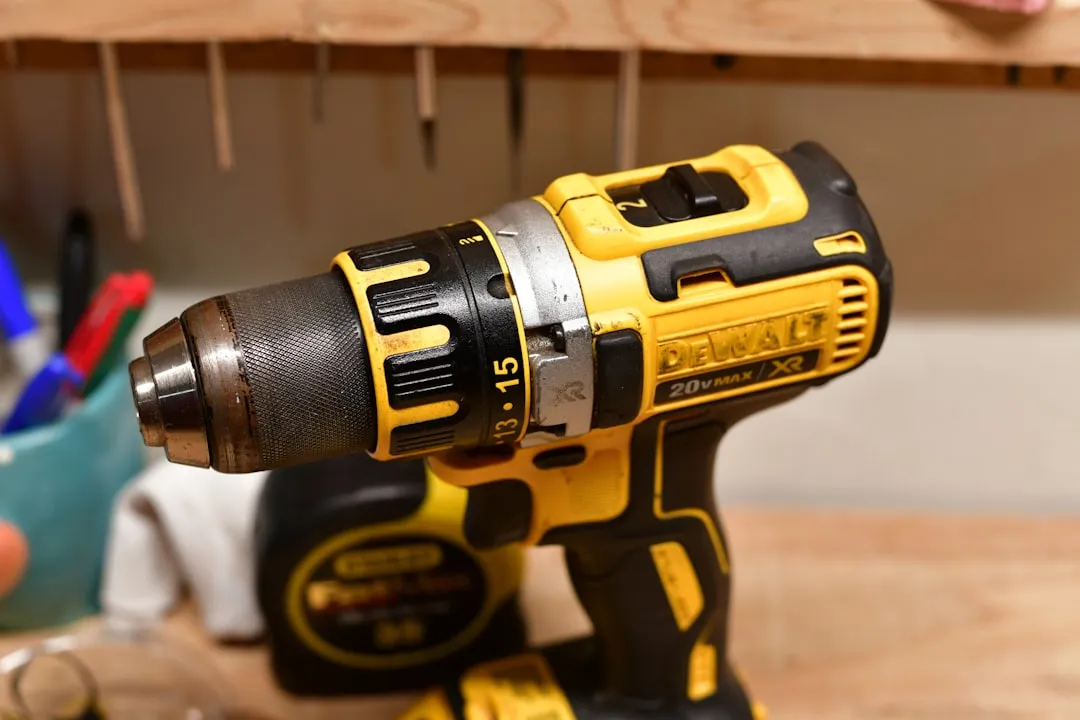
The DeWalt Atomic Compact Series represents a strategic pivot in power tool engineering: downsizing the footprint without sacrificing the torque-to-weight ratio that defined the 20V MAX legacy. However, as the user base has scaled, the "jammed trigger" has emerged as the most documented mechanical failure point, much like issues seen with a Bosch 18V hammer drill clutch slipping. If your trigger is stuck, it is rarely a catastrophic electrical failure; it is almost always a mechanical interference caused by ingress of job-site debris, structural misalignment of the trigger shuttle, or a spring fatigue issue within the potentiometer assembly, similar to why an EGO Power+ blower might keep stalling. Before you ship it off to a service center or drop $150 on a replacement unit, understand that the Atomic series is designed for modularity—and the trigger, while sensitive, is serviceable if you have a steady hand and a T10 Torx driver.
Deconstructing the Brushless Trigger Mechanism and Variable Speed Control
The heart of the DeWalt Atomic trigger isn't a traditional mechanical switch that simply completes a circuit. It is a sophisticated Hall-effect sensor or a high-precision potentiometer linked to the brushless motor’s electronic controller. When you pull the trigger, you aren't just pushing a button; you are sliding a plastic carrier across a track.
In the Atomic series, space is at a premium. The internal chassis is molded with tight tolerances to ensure the tool remains "Atomic" (compact). This creates a catch-22: the internal housing is so compact that there is virtually no "slack" for dust to settle. When silica dust, drywall gypsum, or metal shavings find their way into the trigger housing, the sliding shuttle becomes abrasive. The friction isn't just felt; it’s being recorded by the controller as an inconsistent signal.
The "Operational Reality" of Job-site Debris Ingress
If you read the threads on Reddit’s r/Tools or the ContractorTalk forums, you will see a recurring theme: "The trigger started feeling gritty, then it just stopped resetting." This isn't a manufacturing defect per se; it is a symptom of using an "Atomic" tool in a "Heavy-Duty" environment. The Atomic line is marketed for cabinet makers and interior installers, but reality dictates that these drills end up on heavy construction sites.
The ingress points are the gaps between the rubber overmold and the plastic trigger. Unlike the older brushed XRP models, which felt like tanks, the Atomic’s ergonomics prioritize grip and weight. That rubber overmold is a magnet for fine dust. Once the dust enters the shuttle track, it acts like sandpaper. Over time, the plastic housing of the trigger assembly begins to wear down, creating "burrs" that catch the return spring.
Step-by-Step Diagnostic: Is it Mechanical or Electronic?
Before you crack the casing, you must identify if you are dealing with a mechanical bind or a dead-on-arrival (DOA) electronic sensor.
- The "Click" Test: With the battery removed, depress the trigger. Does it return with a crisp snap, or does it feel "mushy"? If it’s mushy, you have mechanical debris or a snapped return spring.
- The Continuity Check: If the trigger resets but the motor doesn't spin, the problem is likely the Hall-effect sensor or the wiring harness leading to the ESC (Electronic Speed Controller).
- The Battery Terminal Inspection: Sometimes, the trigger isn't the problem—the terminal block in the battery housing is. If the trigger assembly is fine but the drill is erratic, check for scorched pins on the battery connection point.
Field Repair: Opening the Atomic Chassis
To access the trigger, you need a high-quality T10 or T15 Torx driver. Do not use generic hex keys; you will strip the screws.
- Step 1: The Perimeter Screws. Remove all screws from the clam-shell housing. Lay them out in a pattern on a clean workspace. Some screws are longer than others (usually near the motor and battery mount). Mixing them up is the number one cause of secondary damage during reassembly.
- Step 2: The Half-Shell Separation. Gently pry the two halves apart. Do not force it. If it doesn't budge, look for hidden screws inside the belt hook mounting point or under the rubber grip.
- Step 3: Isolating the Trigger. The trigger is connected to the motor controller via a small wire harness. Do not yank the trigger module out. Locate the clip that secures the harness.
Addressing the Return Spring Failure
The most common point of failure for a "jammed" trigger is the micro-tension spring that forces the trigger back to the neutral position. In the Atomic series, this spring is tiny. When the trigger is pulled repeatedly, this spring can fatigue or slip out of its plastic seat.
If the spring has slipped, re-seat it using needle-nose tweezers. If the spring is deformed, you are essentially at a dead end unless you can source a donor trigger unit. DeWalt does not typically sell individual internal springs; they prefer to sell the entire switch assembly. This is where the "Right to Repair" debate gets heated. Many hobbyists on GitHub-linked DIY forums have successfully used springs from generic micro-switches to "hack" a fix, but this requires soldering skills.
The Debate: Modular Design vs. Throwaway Culture
There is a massive divide in the professional trades regarding the Atomic line. One faction argues that the compact, sealed nature of the tool is a masterclass in ergonomics. The other faction, particularly those in the steel erection and framing industry, views the Atomic as a "disposable tool."
"I love the weight of the Atomic, but it's a fair-weather drill. If you’re working in a dusty environment, you’re looking at a trigger failure every 18 months. My older brushed 20V tools have been through literal hell and the triggers still work fine. They don't make them like they used to." — Excerpts from a popular forum thread on r/Tools regarding the longevity of brushless compact drivers.
This criticism is valid. The shift toward brushless efficiency and integrated sensors has moved power tools from "mechanical machines" to "computational machines." When the trigger fails, you aren't just fixing a switch; you are troubleshooting a piece of firmware-driven hardware.
Common Pitfalls and "Workarounds"
When you are on a job site and the drill is jammed, you don't have time for a three-hour teardown.
- Compressed Air: Before opening the drill, blast high-pressure air into the trigger gap. It’s a 50/50 shot. If the debris is just loose dust, this might clear it. If the debris is caked-on mortar or gypsum, air will do nothing.
- The "Percussive" Adjustment: Some contractors swear by tapping the trigger area against a soft rubber pad while the trigger is held down. This is risky and can snap the plastic tabs, but it sometimes unseats a jammed dust grain. Do not do this with the battery attached.
- Lubrication: WARNING. Do not use WD-40 or standard oil. Standard lubricants attract dust. If you must use a lubricant, use a high-quality dry silicone spray. Even then, use it sparingly. If you saturate the Hall-effect sensor, you will permanently brick the tool.
The Hidden Costs of Scaling Technology
Why is this an "Atomic" specific problem? When DeWalt engineers designed the Atomic series, they utilized a "stacked" internal architecture. The battery terminals, the motor, the trigger, and the controller are layered in a way that minimizes wasted space.
When you replace the trigger, you have to move the ESC (Electronic Speed Controller) board. If you aren't careful, you can pinch the thin wires against the internal plastic ribs. Many "failed" repairs are actually successful trigger replacements that resulted in a pinched wire, causing a short circuit. If you get the trigger moving again but the drill won't run, check for a "nicked" wire jacket immediately.
When to Give Up and Buy a Replacement
There is a point of diminishing returns. If the trigger housing itself is cracked (the plastic track is chipped), you cannot fix it. Superglue will not hold up to the torque and vibration of a drill. If the trigger housing is damaged, the shuttle will always catch, and the tool will become unreliable.
In this scenario, don't waste time. The time you spend sourcing a proprietary part, waiting for shipping, and performing micro-surgery on a drill is worth more than the $40–$50 price of a replacement trigger assembly—or the $100 price of a bare-tool body.
Maintenance Tips to Prevent Re-jamming
- The "Daily Blow-Out": Get into the habit of using your air compressor to clean the trigger area at the end of every shift.
- Rubber Covers: Some third-party companies produce silicone "boots" for various drill models. While not officially supported by DeWalt, they can prevent dust from falling into the trigger well in the first place.
- Storage: If you are storing your drill in a bag with other tools, ensure it is not sitting on top of sawdust or metal debris.
Advanced Engineering Analysis: The Potentiometer vs. Hall Sensor
Many DIYers believe the trigger is just a switch. However, modern brushless drills use variable speed controllers. The trigger is actually a variable resistor (potentiometer) or a magnetic Hall-effect sensor. As you pull the trigger, the resistance changes, signaling the MOSFETs on the motherboard to modulate the voltage to the motor.
If the trigger feels "jammed," it might be that the internal slider is simply misaligned, but if the drill behaves like it's "pulsing" when you hold the trigger at half-speed, your potentiometer is likely dirty or failing. This is a common failure point that isn't caused by dust, but by electrical arcing inside the sensor. No amount of cleaning will fix a worn-out conductive track inside that sensor.
A Comparative Look at Competitors
How do competitors handle this? Milwaukee's M12/M18 line faces similar issues, but their trigger modules are often more modular and easier to swap out. Makita’s LXT line tends to use slightly more "roomy" handles, which results in fewer debris-related jams but a larger, less "compact" feeling tool. The DeWalt Atomic jam is a direct trade-off for the competitive advantage of its ultra-compact form factor.
Question: Is it safe to use WD-40 to unjam a stuck trigger?
Answer: Absolutely not. WD-40 is a petroleum-based solvent and lubricant that attracts dust like a magnet. Using it in a trigger assembly will create a "slurry" of oil and job-site dust that will permanently seize the mechanism and potentially damage the internal electronics. Always use a dry PTFE or silicone lubricant if absolutely necessary, but cleaning is almost always preferred over lubrication.
Question: Can I replace the trigger with a generic one from a different brand?
Answer: No. The trigger assembly for a DeWalt Atomic drill is specifically keyed to communicate with the onboard electronic speed controller and the brushless motor. The wiring harness connectors are proprietary to DeWalt. Attempting to splice in a generic switch will likely result in a tool that either doesn't run at all or loses all variable-speed functionality.
Question: Why does my drill trigger "click" but the motor doesn't turn?
Answer: This usually indicates an electrical failure rather than a mechanical jam. If the trigger moves freely but there is no response, check the battery terminals for debris. If the terminals are clean, the Hall-effect sensor inside the trigger module has likely failed. You will need to replace the entire trigger-and-harness assembly.
Question: Is the trigger failure covered under DeWalt's warranty?
Answer: DeWalt’s 3-year limited warranty typically covers defects in material and workmanship. However, they almost always categorize a jammed trigger as "normal wear and tear" or "abuse due to job-site debris ingress." Unless you can prove a manufacturing defect, it is unlikely they will replace it for free. It is worth calling their support, but don't hold your breath.
Question: What is the most common mistake people make when disassembling the drill?
Answer: Stripping the T10/T15 screws and losing the alignment of the forward/reverse selector switch. When you take the shell apart, the forward/reverse button is loose and can easily fall out or jump out of its spring-loaded track. Pay close attention to how it seats in the trigger housing before you fully pull the unit apart.
Question: Does the Atomic series have a higher failure rate than the standard XR series?
Answer: Statistically, the Atomic series has a higher incidence of mechanical trigger issues due to the tighter tolerances required for its compact size. The XR series, which is larger and aimed at heavy-duty professional use, has a more robust housing with better dust sealing, which naturally protects the trigger mechanism better in extreme environments.
The Institutional Perspective: Why Doesn't DeWalt Fix This?
In the world of corporate engineering, "perfect" is the enemy of "profitable." The Atomic series is built to meet a specific price point and size profile. Redesigning the handle with better labyrinth seals for dust resistance would increase the cost of the mold and the size of the tool. DeWalt’s design team has clearly calculated that the current failure rate is acceptable within the context of the tool's intended use-case (light to medium-duty installation).
For the end user, this means the onus is on us. We have to adapt our maintenance habits to the tools we buy. If you are buying an Atomic drill to use in a woodshop, it will last a decade. If you are buying it to run a crew that spends 10 hours a day in a drywall-heavy environment, you are essentially renting that drill’s trigger life.
Ultimately, the "jammed trigger" isn't just a technical annoyance—it’s a window into the evolution of modern power tools. We’ve traded the heavy, over-engineered mechanical robustness of the 1990s for the sleek, high-torque, computer-controlled precision of the 2020s. And like all computers, these tools perform best when they are kept clean and understood, not just used and abused. If your trigger jams, take a breath, grab your T10 driver, and remember: you aren't just a laborer; you're the maintainer of your own productivity.